
Amazon Sports & Outdoors Case Studies
Real campaigns we ran for sports & outdoors brands on Amazon — what was broken, what we changed and what it moved.
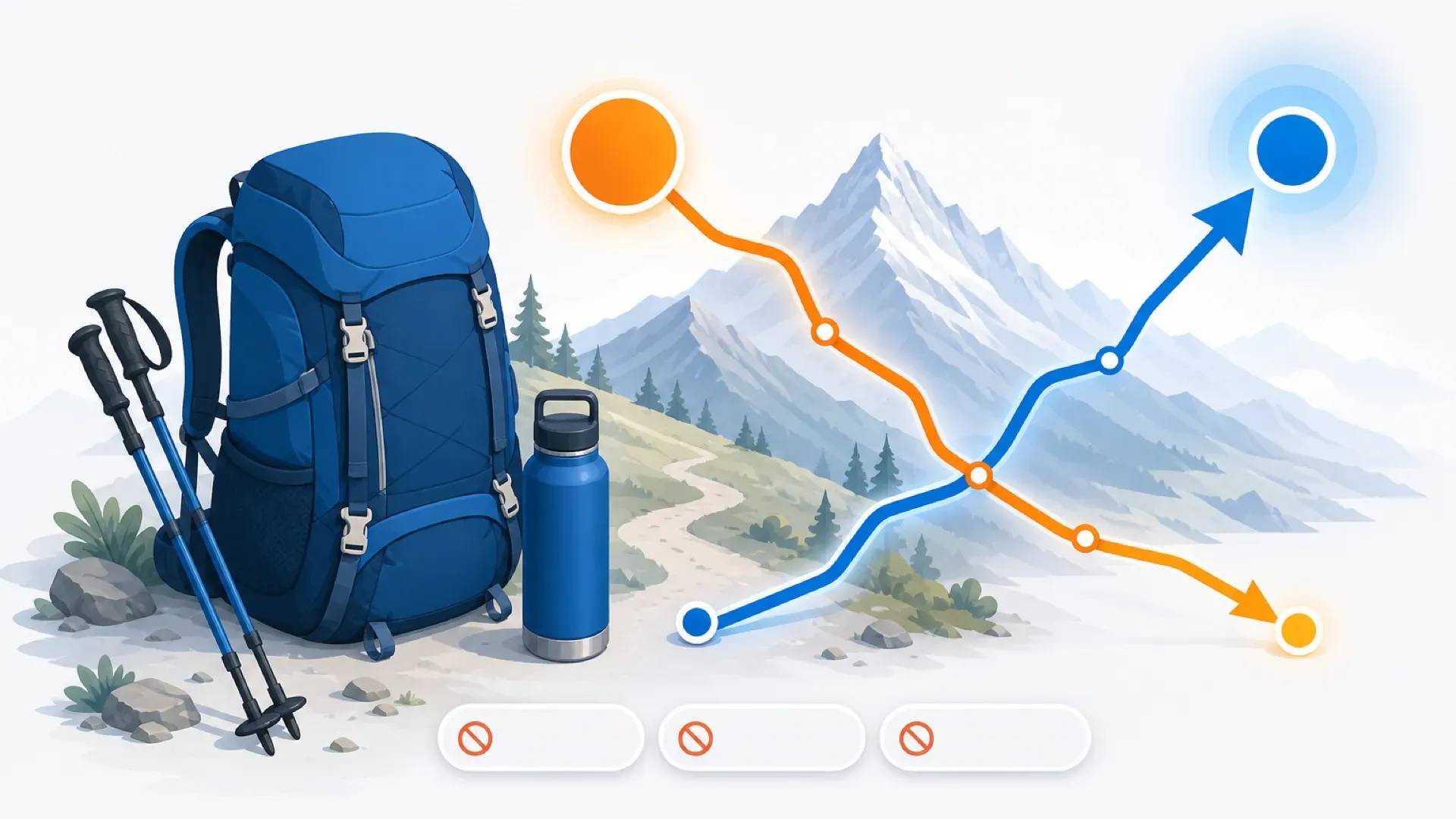
ACoS 44% → 21%
Cutting ACoS from 44% to 21% while growing an outdoor brand 68%
A seasonal outdoor gear brand was buying every sale at a 44% ACoS. A rebuilt campaign structure, strict search-term control and stronger creative more than halved it — while revenue still grew 68%.

Gross margin 11% → 29%
From reselling forty brands to controlling twelve of them
A sporting goods distributor listed forty brands it did not control and lost the Buy Box on each one as those brands went direct. Rebuilding the catalog around exclusive and owned lines changed the economics of the whole account.

ACoS 38% → 24% on the same spend
The season starts in seven different months, so the budget should too
An outdoor equipment brand ran one national budget for a product whose season opens eight weeks apart between the south and the north. Regional pacing turned wasted early spend into early rank.

Recovery per returned unit $12 → $61
Recovering $61 a unit from returns that were being written off
A sports equipment brand liquidated every returned item by the pallet because grading them was somebody's least favorite job. Selling graded open-box units as their own listings turned a write-off line into profit.

Sessions +38%
Invisible to every filter on the left-hand side of the page
A sports brand's catalog sat in the wrong browse nodes with half its attributes blank, so it never appeared when shoppers narrowed a category by sport, size or type. Fixing the classification data reopened a traffic source advertising cannot buy.

In-stock rate 62% → 96%
Growth capped by a restock limit nobody was watching
A fitness equipment brand kept selling out of its best products while the warehouse was full. The constraint was not demand or supply — it was how many units Amazon would let it store.

Click-through rate +41%
Running the main image as an experiment instead of an argument
A camping gear brand argued about hero images in meetings and shipped whichever version the loudest person preferred. Structured split testing replaced the opinion with a result on twelve listings.
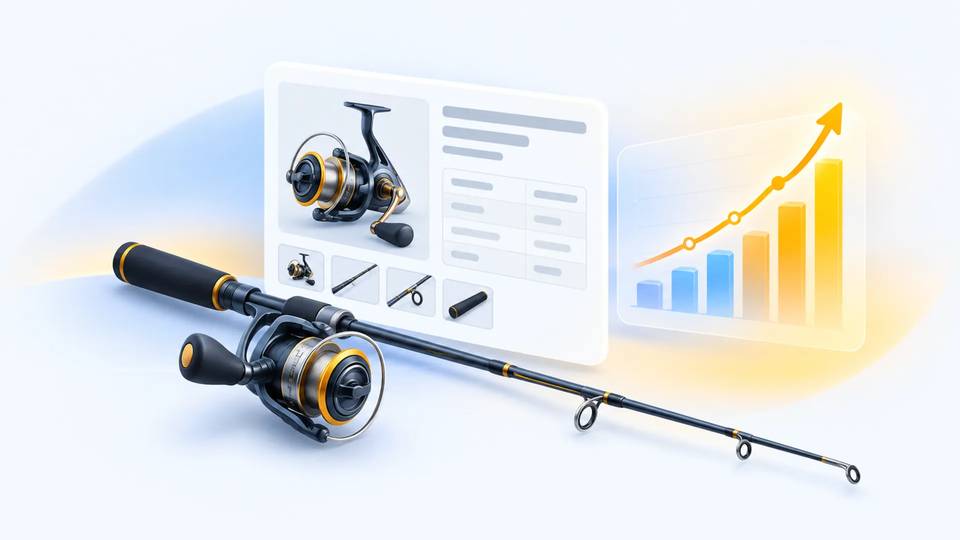
Conversion rate 6.4% → 11.2%
Writing for anglers who know more about the product than the copywriter
A fishing tackle brand wrote friendly, benefit-led listings for an audience that buys on gear ratio, line rating and blank material. Specification-led content spoke the buyer's language instead of a marketer's.

Listable catalog 46% → 91%
Half the catalog was suppressed, and nobody knew which half
A hunting gear brand had listings silently suppressed under category restrictions it had never been told about. Working the approval and compliance process methodically brought most of the catalog back into search.
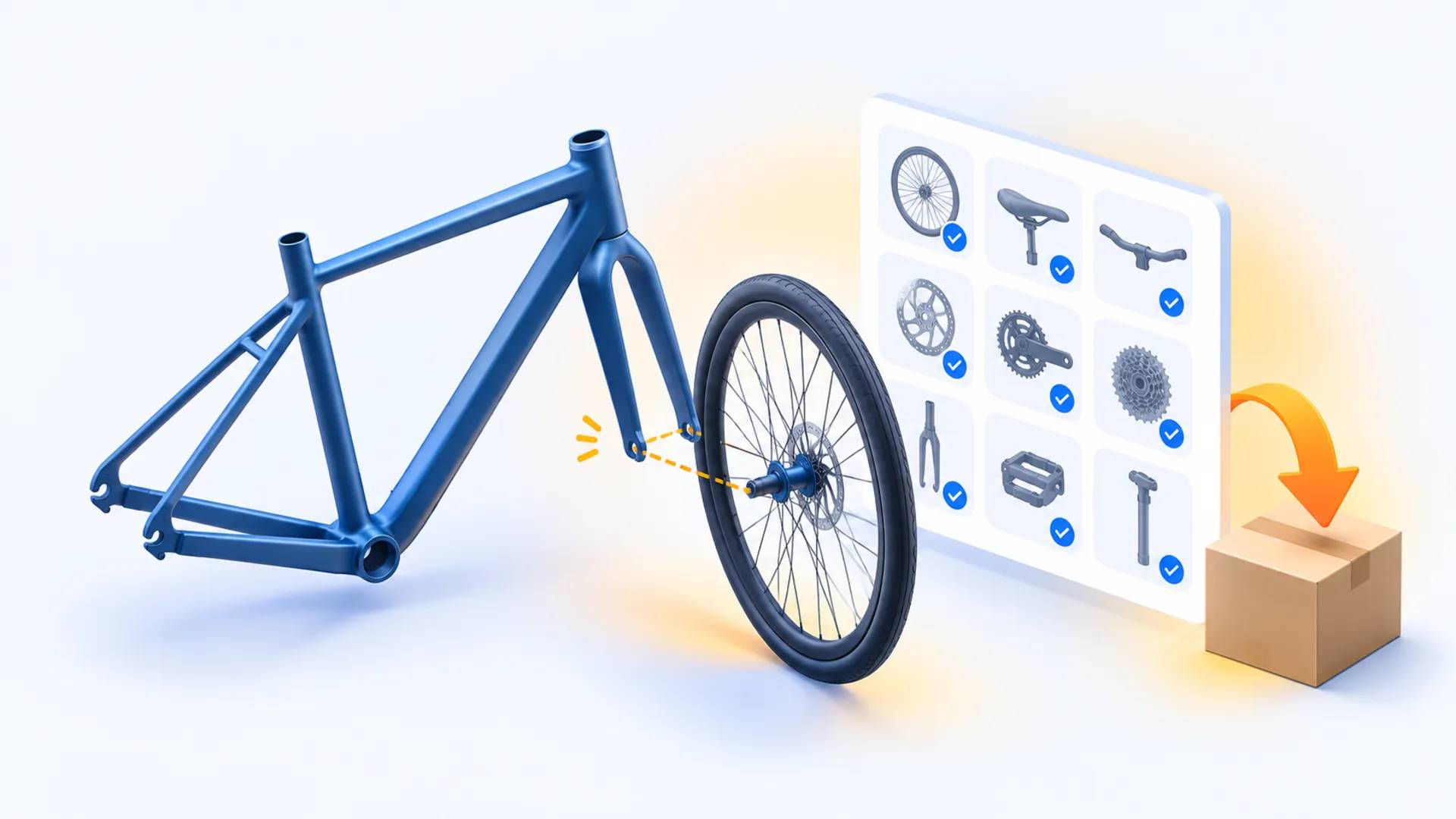
Fitment returns 21% → 7%
“Will this fit my bike?” — answering the only question that matters
A cycling components brand sold parts that fit some bikes and not others, and left shoppers to work it out. Building fitment guidance into every listing cut wrong-part returns by two thirds.
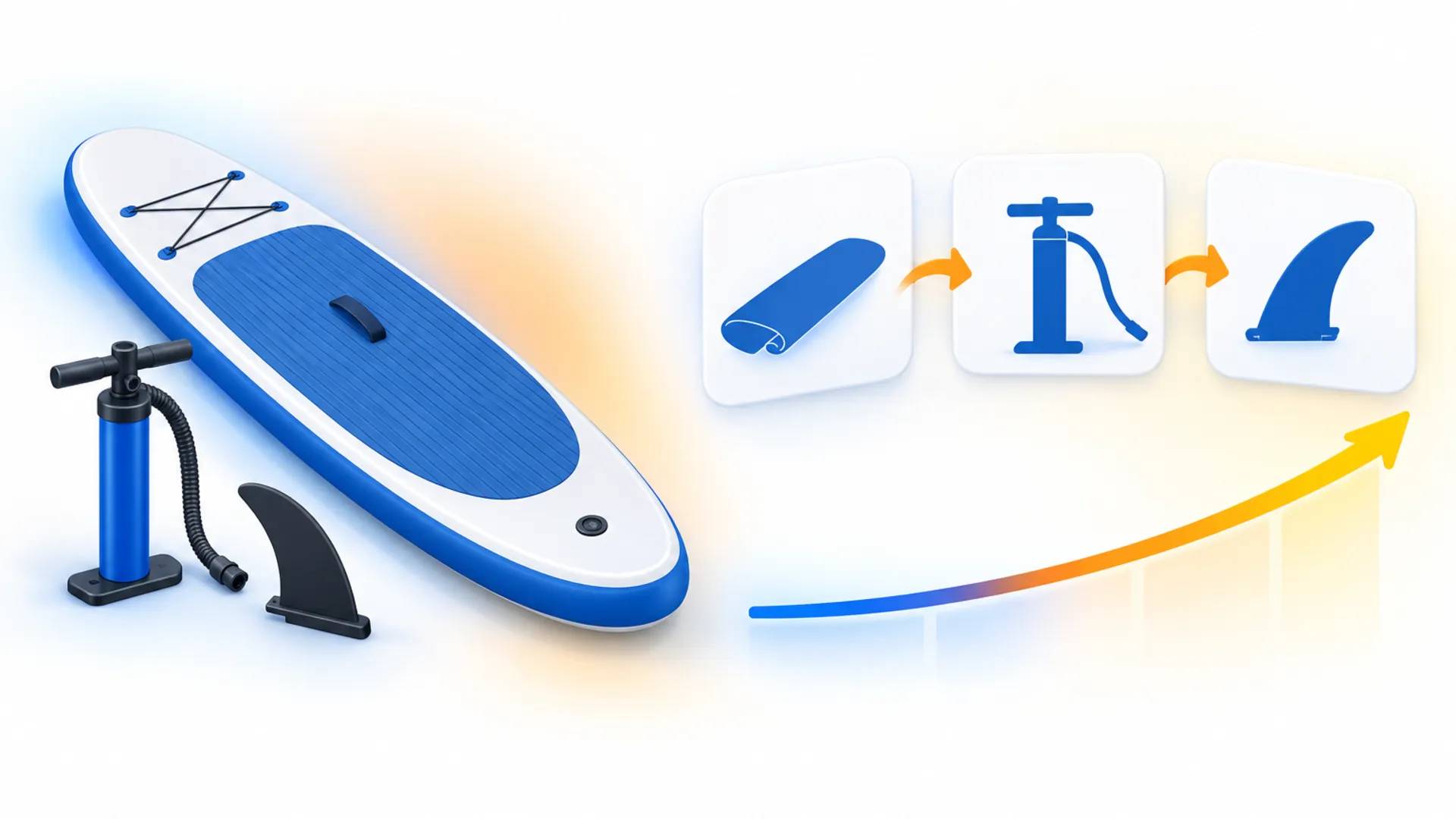
One-star reviews cut 68%
The product worked; the first fifteen minutes did not
A paddleboard brand's returns and angry reviews all described the same thing — the first setup. Instructional content before and after purchase turned the worst hour of ownership into a non-event.
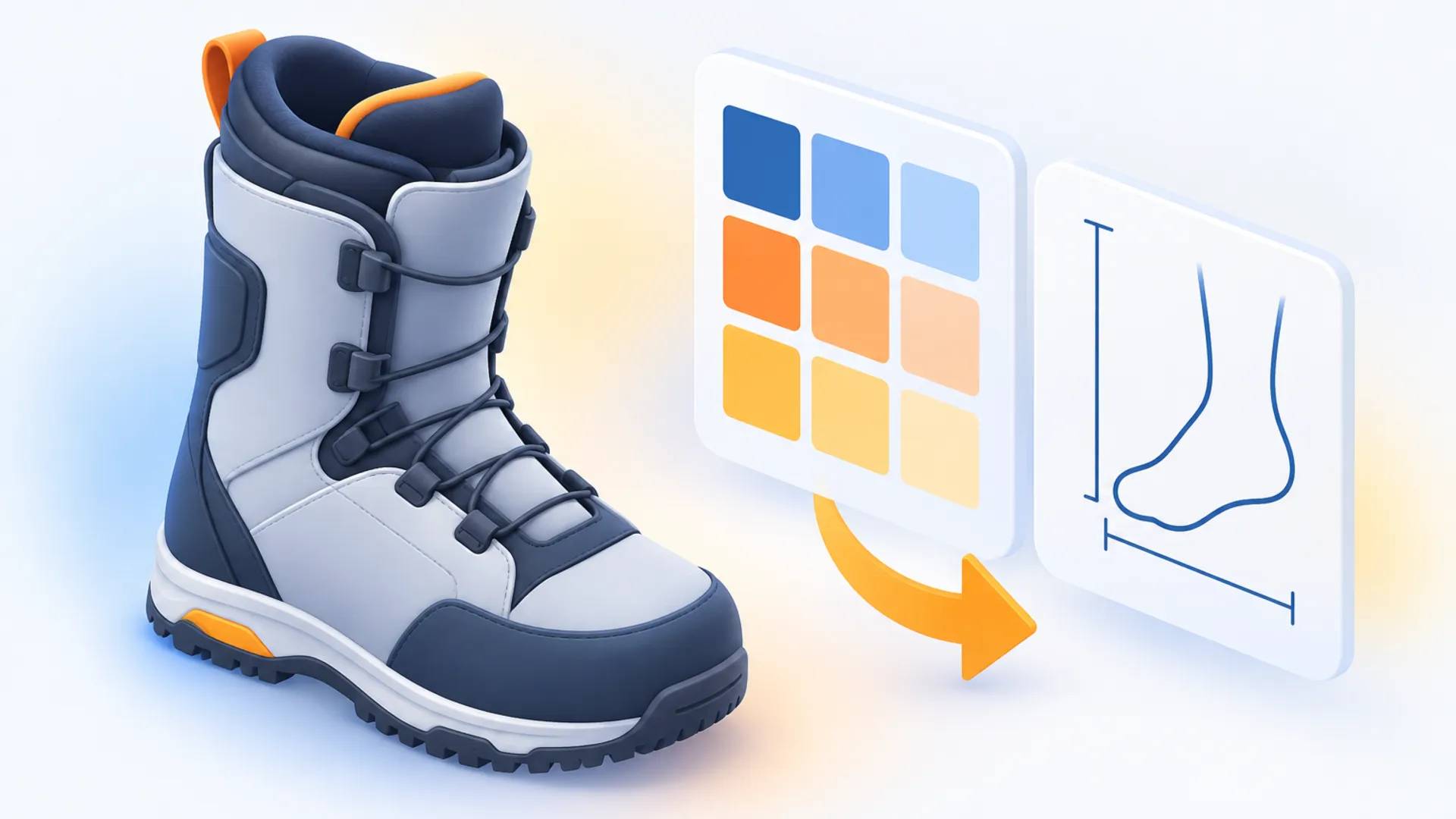
Size-related returns 27% → 9%
Sizing a boot that fits nothing like a shoe
A winter sports brand sold boots in mondopoint while its customers think in shoe sizes, and absorbed a quarter of orders back every season. A proper sizing system fixed the returns and the reviews with them.
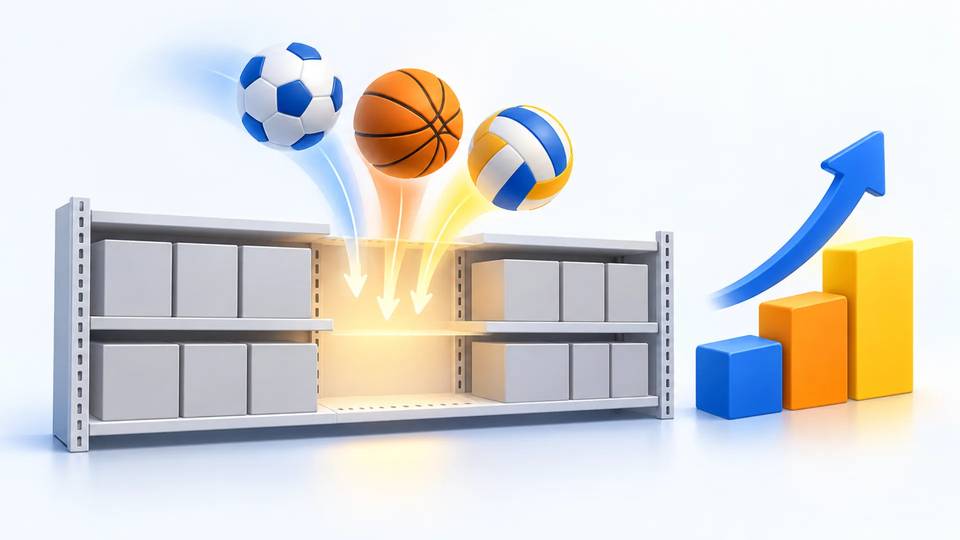
Page-one share 11% → 38%
Taking page one during the two weeks the category leaders run dry
Twice a season the biggest brands in team sports sell out for two or three weeks. A challenger brand learned to see those windows coming and spend into them, winning positions it then kept.

Conversion rate 5.6% → 9.8%
Helping a beginner avoid the racquet a professional would choose
A racquet brand's best-reviewed model was its most advanced, so beginners bought it, struggled with it and rated it badly. Sorting the catalog by playing level fixed both the reviews and the sales.

Conversion +40%, video ACoS half of static
Studio photography sells to nobody who actually trains
A martial arts equipment brand had immaculate product photography and no evidence that anything survived a real session. Training-footage video became the strongest conversion asset in the account.
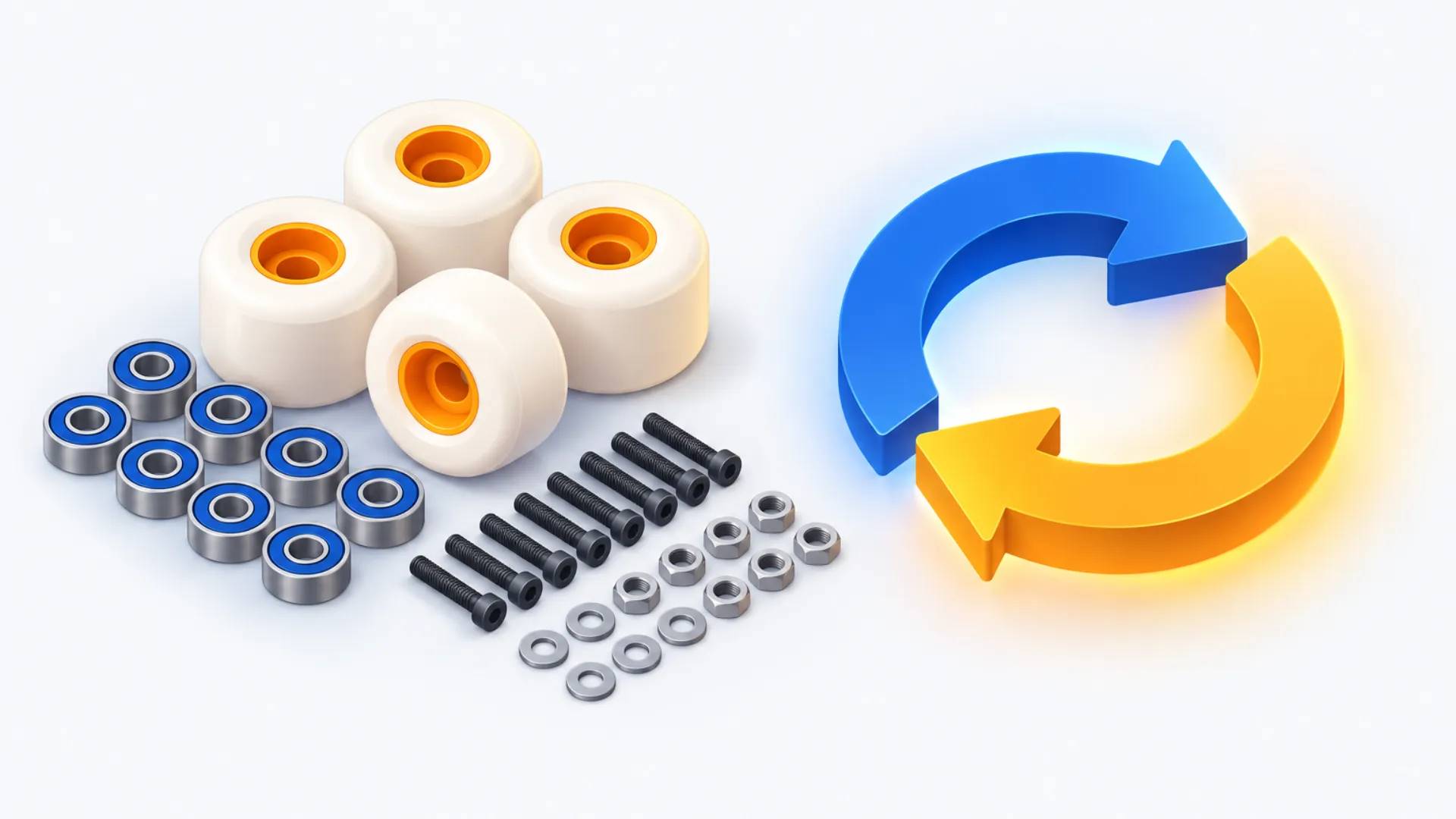
Repeat revenue 7% → 39%
The complete board sells once; the wheels sell forever
A skate brand sold finished boards and treated spare parts as warranty stock. Listing bearings, wheels, decks and grip as a catalog of their own turned one-off buyers into a recurring business.

Organic revenue +146%
Growing a category that is not allowed to advertise
An airsoft brand could not run sponsored ads — its products are ineligible under advertising policy. Everything had to come from organic rank, so that is what we built.

Conversion rate 4.8% → 9.1%
Making safety certification the first thing a climber sees
A climbing hardware brand's certifications were buried in the technical details while uncertified imports outranked it on price. Putting the standards on the page turned a compliance fact into the sales argument.

IP complaints 14 → 0
Selling licensed merchandise without collecting IP complaints
A fan merchandise seller listed products across dozens of teams, some licensed and some not, and lost listings to rights complaints every month. Aligning the catalog with actual licenses ended the churn and grew the licensed half.

+$38k / month from existing inventory
The stock was in the warehouse; the listings were never created
A golf brand manufactured left-handed and women's-flex versions of its best sellers for its pro-shop channel and had never listed a single one on Amazon.
Ready to scale your Amazon brand?
Talk to a senior strategist and leave with a growth plan for your store — no obligation.