
Amazon Baby Products Case Studies
Real campaigns we ran for baby products brands on Amazon — what was broken, what we changed and what it moved.

+68% sessions
Organizing a baby catalog the way parents count months
A baby brand sold nineteen products to “parents”. Parents do not shop that way — they shop for a twelve-week-old or a crawling nine-month-old, and the catalog said nothing about either.

Registry-intent clicks 1.1k → 14.7k / mo
Getting onto the registry, six weeks before the baby arrives
A baby brand competed for the moment a parent needs a product. The bigger opportunity sits months earlier, when an expectant parent builds a list and someone else pays for it.
ACoS 39% → 21%
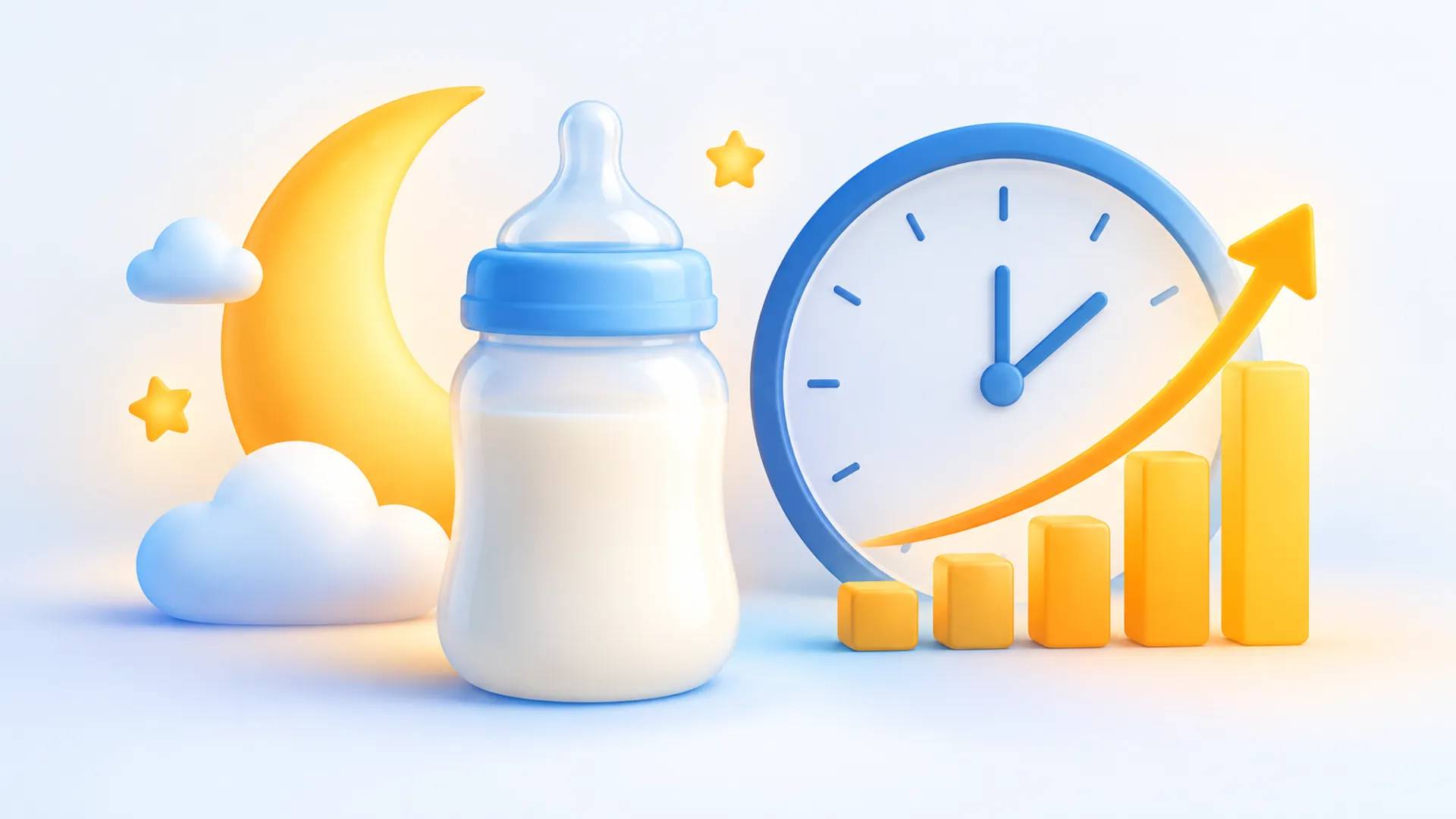
The 2am shopper: dayparting for parents who are awake anyway
Nearly a third of the brand's orders were placed between midnight and 5am, and its ad budget was reliably exhausted by early evening. Fixing the pacing was worth more than any bid change.

Gift-flagged orders 6% → 29%
Writing for the grandmother, not the mother
Half the category's volume is bought by people who will never use the product — grandparents, aunts, colleagues. Every word on the brand's listings was addressed to the parent.
Refill revenue +315%
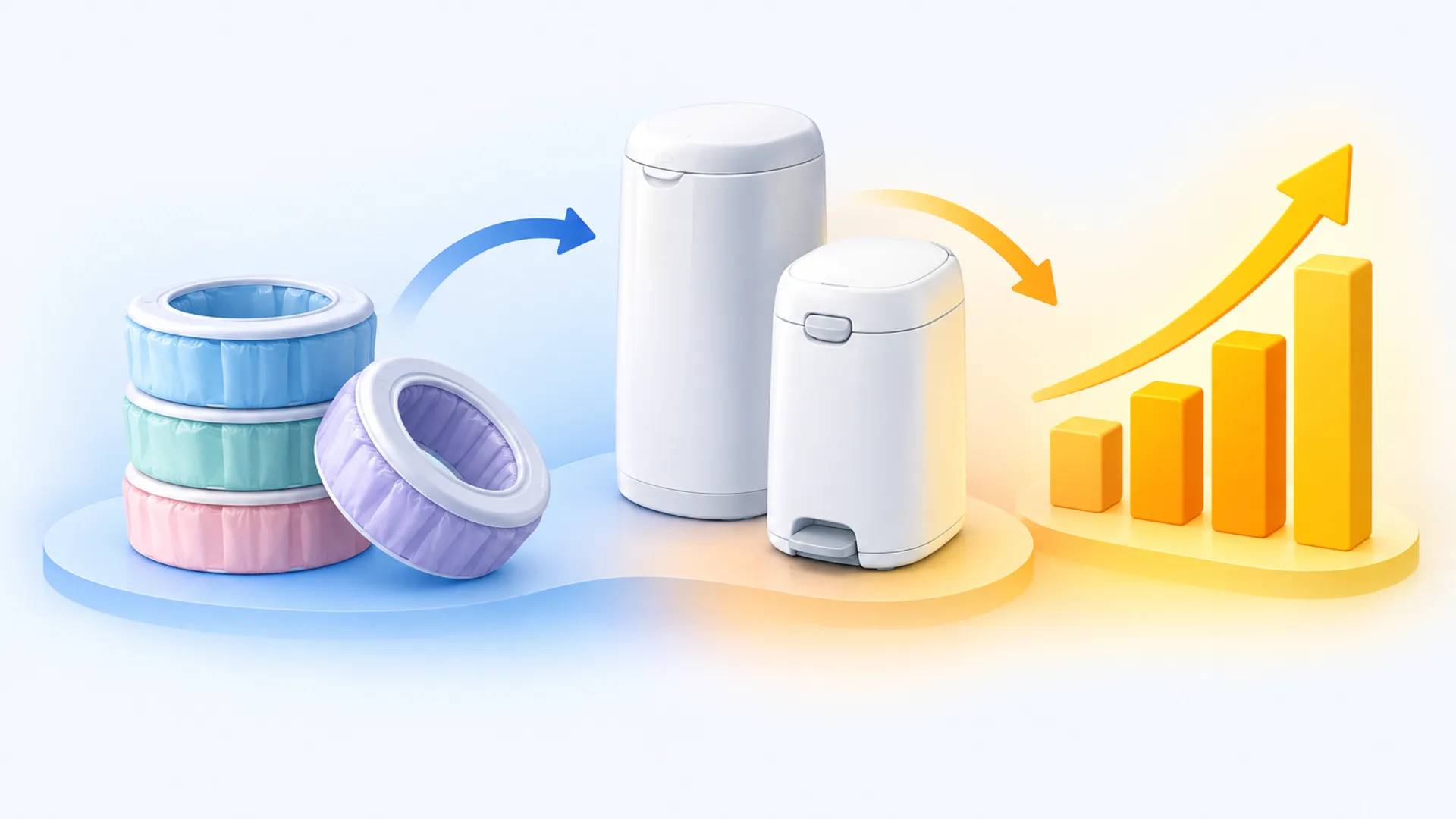
Selling refills to people who own someone else's pail
A diapering brand's refill cassettes physically fit two rival systems, and nobody knew. Making compatibility the headline turned a competitor's installed base into a recurring revenue line.
Revenue per customer $27 → $94
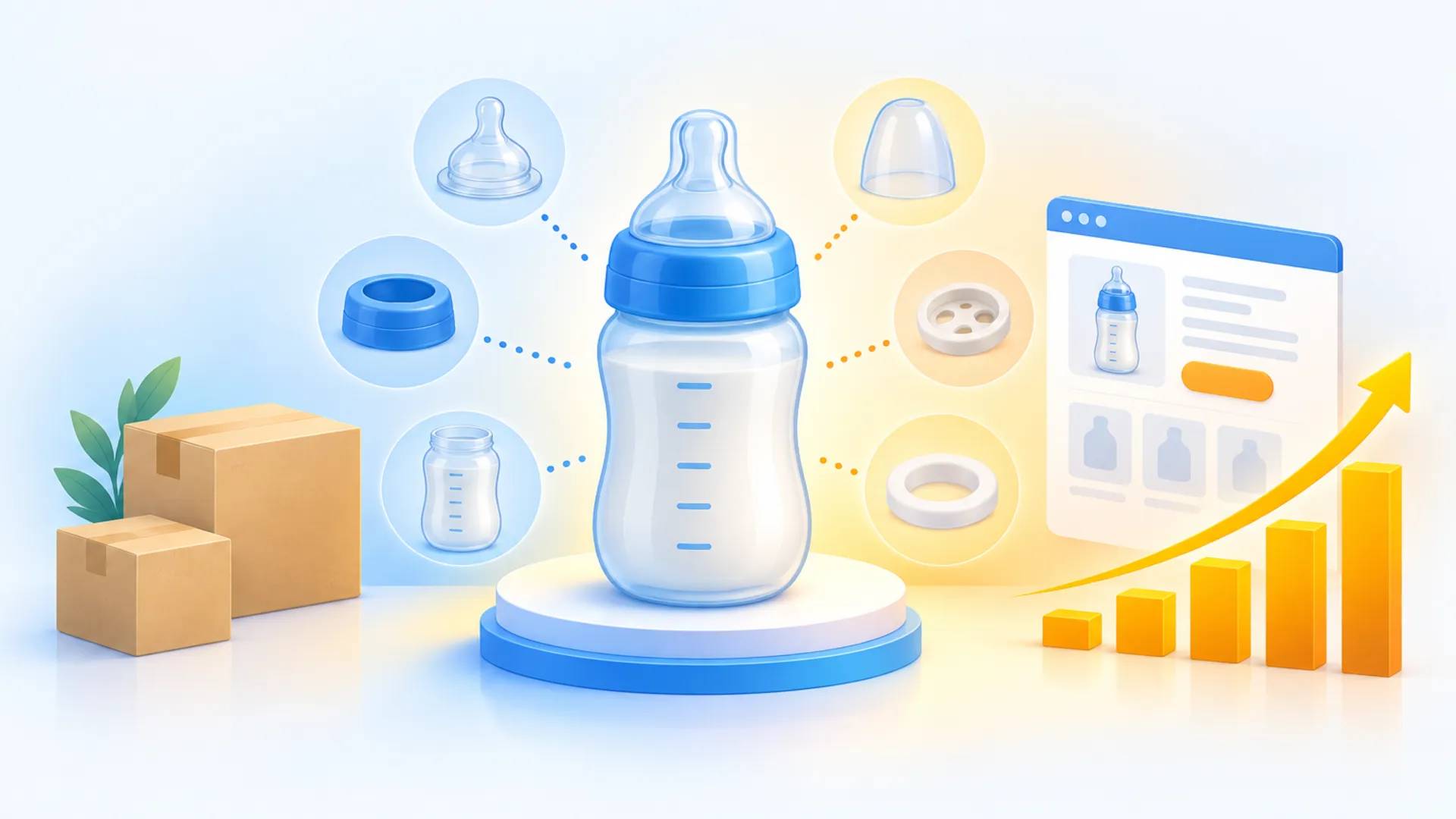
From one bottle to a feeding system the household keeps buying
Parents bought a single starter bottle to test it and never discovered the brand made everything around it. Restructuring the catalog as a system changed the lifetime of a customer.

Conversion 4.6% → 8.1%
Moving the safety certifications out of the fine print
A nursery brand held three certifications its competitors did not, and listed them in a compliance line at the bottom of the bullets. Parents were reading that line as legal boilerplate.
Fit-check returns 22% → 7%
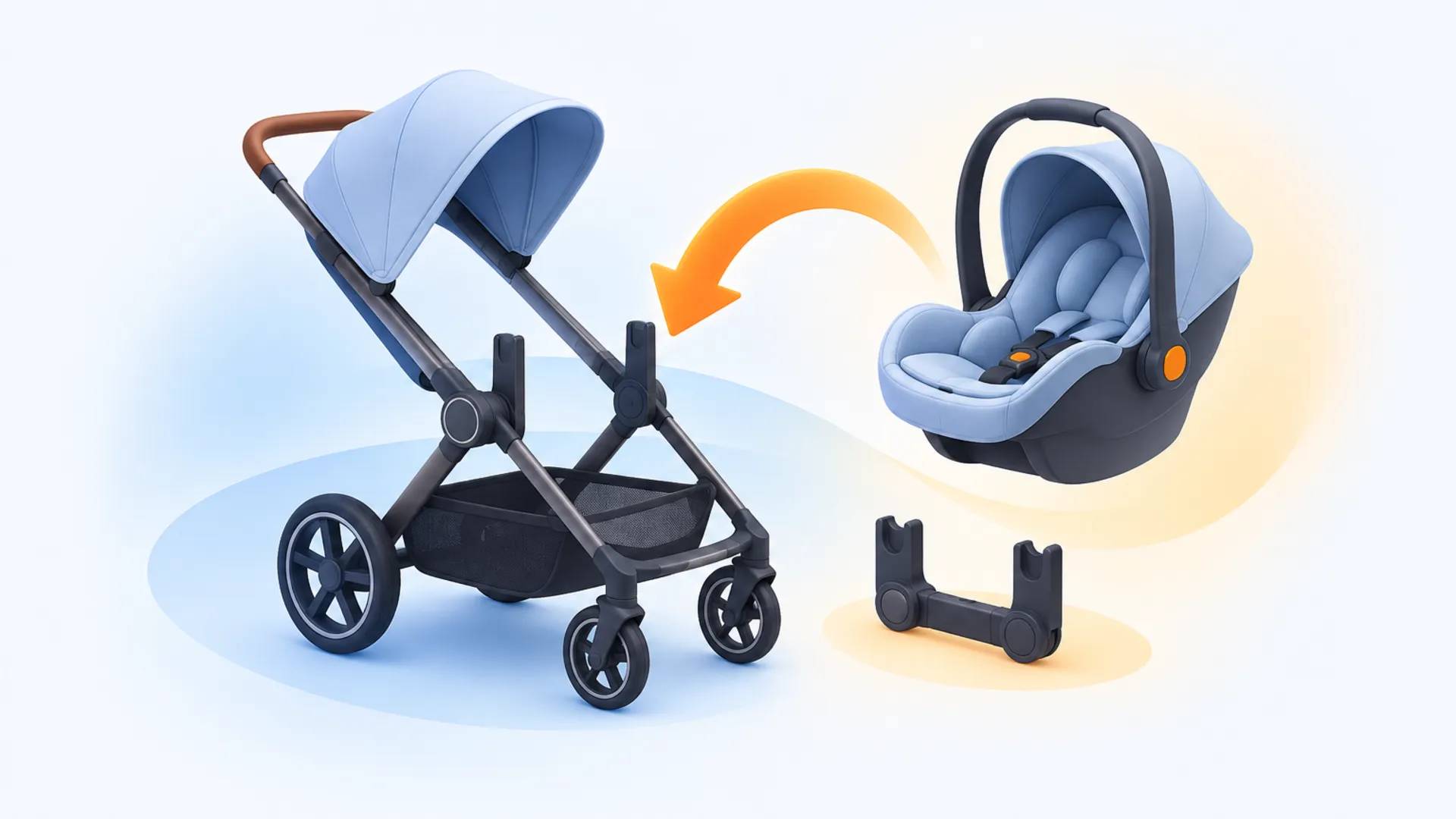
Ending the adapter returns: a compatibility answer before the order
One stroller order in five came back, and almost all of them were the same failure: the car seat the parent already owned would not click in. The product was fine; the page was silent.

Conversion +62%
Reading 900 customer questions and putting the answers in the listing
Parents asked the same forty questions about the monitor over and over, and the brand answered each one individually in the Q&A. Moving those answers into the page changed the sales rate.
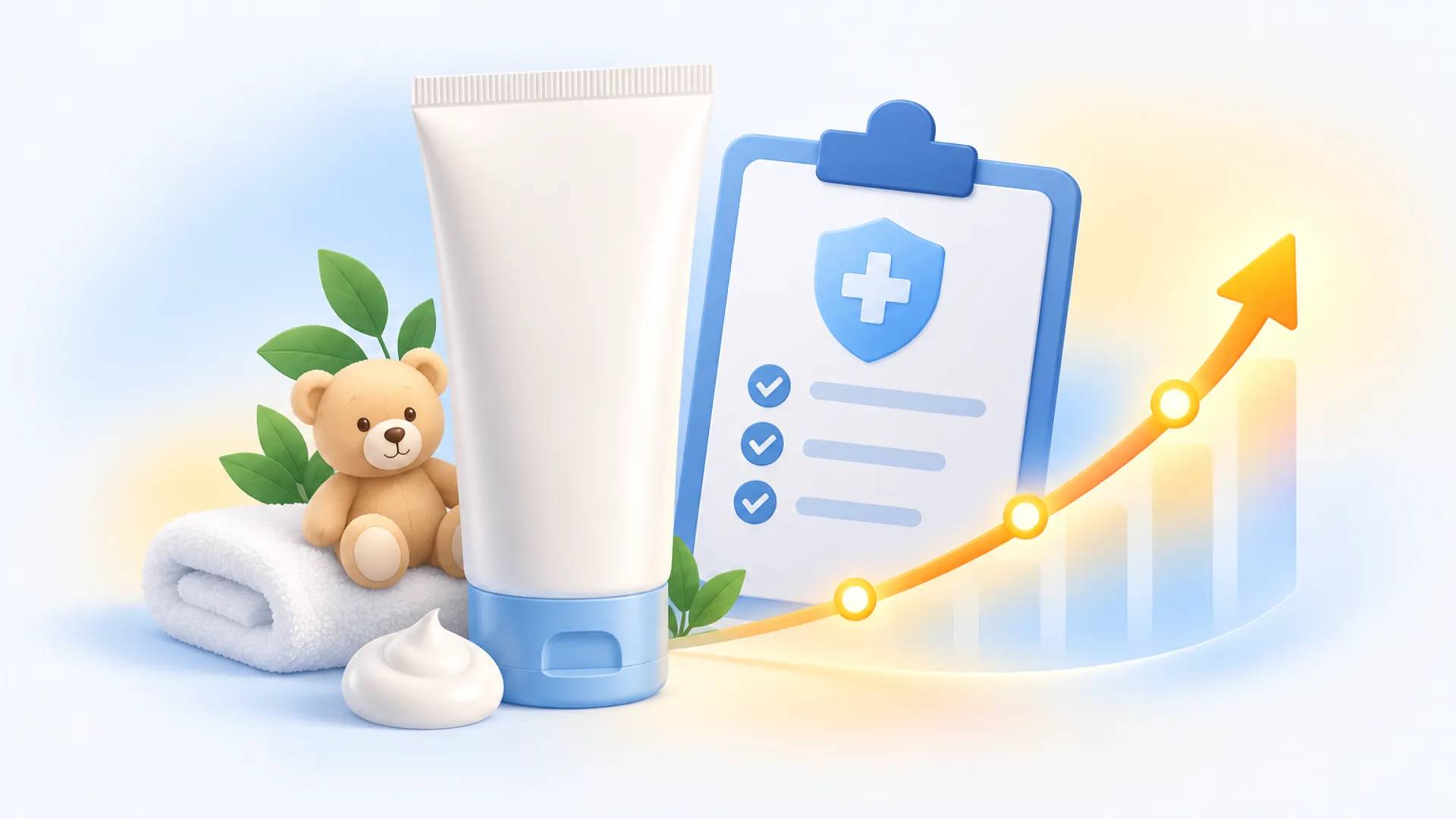
+94% revenue on the eczema range
Replacing “dermatologist-approved” with the actual study
Parents of a baby with reactive skin do not trust brand copy, and they are right not to. The brand had clinical testing behind its formula and was communicating it like marketing.
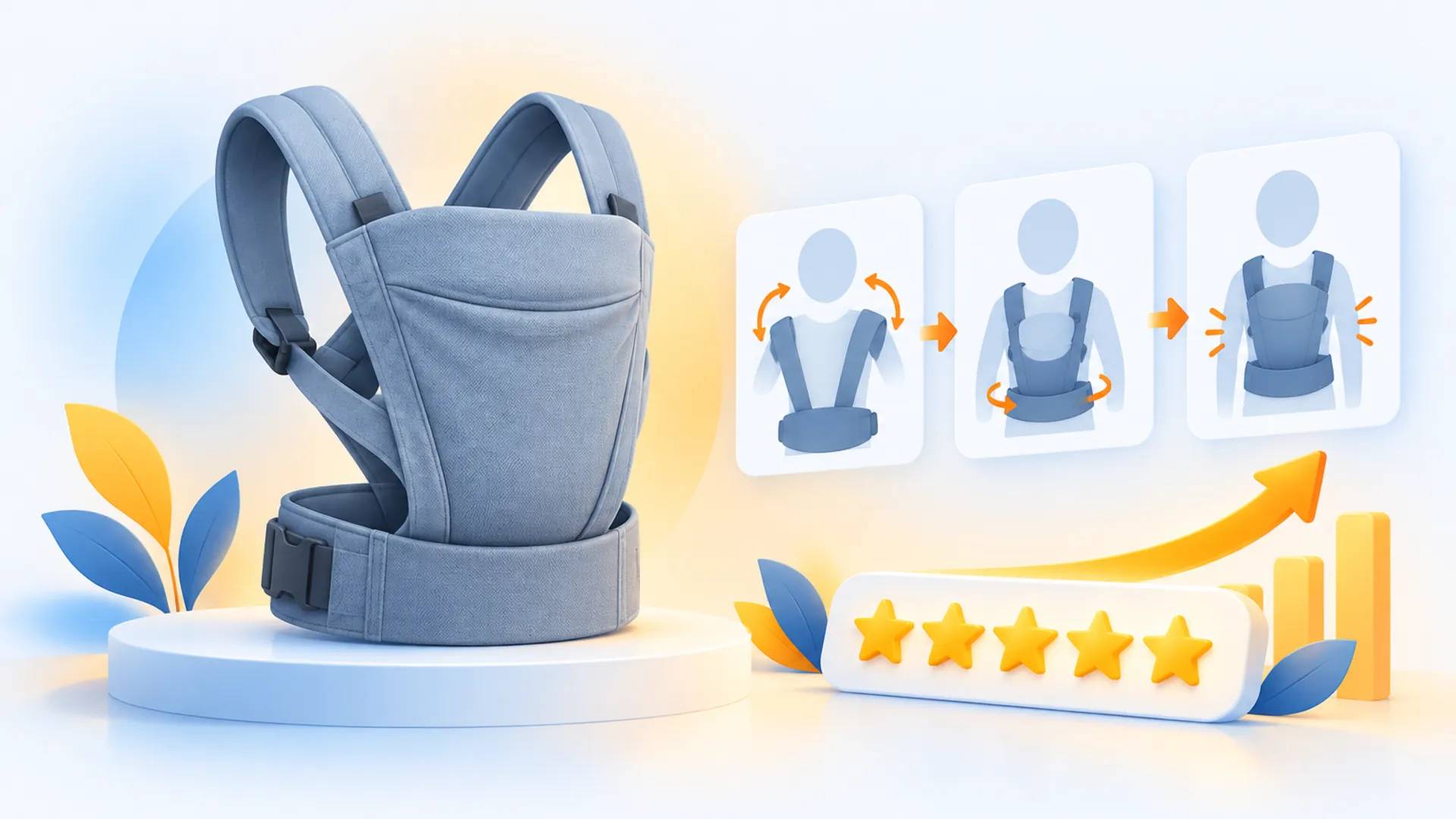
Rating 3.7 → 4.0
The one-star reviews were about the instructions, not the carrier
A wrap brand read its negative reviews as a product failure and was preparing a redesign. The reviews described a learning curve, not a defect — and that is a content problem.

+142% revenue in urban markets
Selling play gear on how little room it takes
Reviews and pre-sale questions kept circling one thing that never appeared in the copy: where it goes when the living room has to be a living room again.

Conversion vs. budget rival +71%
Justifying a $180 chair by counting the three it replaces
The brand's convertible toddler gear lasts from six months to six years, and its listing showed one configuration. Shoppers were comparing a $180 product to a $49 one on the same terms.

Unbranded search share 22% → 61%
Naming what the product is actually for
Postpartum recovery products are searched for in blunt, clinical words at three in the morning. The brand's listings were written in euphemisms and ranked for none of them.

ASP $14 → $29, volume up 47%
Competing with a supermarket five-pack on fabric, not price
A baby basics brand was losing a price war it could never win against mass-market multipacks. It shifted the argument to the one thing a discount five-pack cannot claim.
Ready to scale your Amazon brand?
Talk to a senior strategist and leave with a growth plan for your store — no obligation.