
Amazon Arts, Crafts & Sewing Case Studies
Real campaigns we ran for arts, crafts & sewing brands on Amazon — what was broken, what we changed and what it moved.

Revenue held at 2.4x after the trend collapsed
Spending a craft trend's peak on demand that would outlive it
A craft brand rode a viral trend to a record quarter and expected the fall. We treated the peak as a funded window to buy rankings on terms that would still exist a year later.

Gross margin 28% → 41%
Competing with a 40% coupon that only ever applies to one item
Craft shoppers price-anchor on the weekly coupon at the big hobby chains, and a craft brand had spent two years discounting against a number that almost nobody actually pays.

+85% sessions
Ranking for the color, not the paint
Artists search for pigments by name — phthalo blue, quinacridone magenta, payne's grey — and the brand's listings were indexed under the word 'paint'. The color names lived as variation labels the child titles never repeated.
Second-order rate 31% → 6%
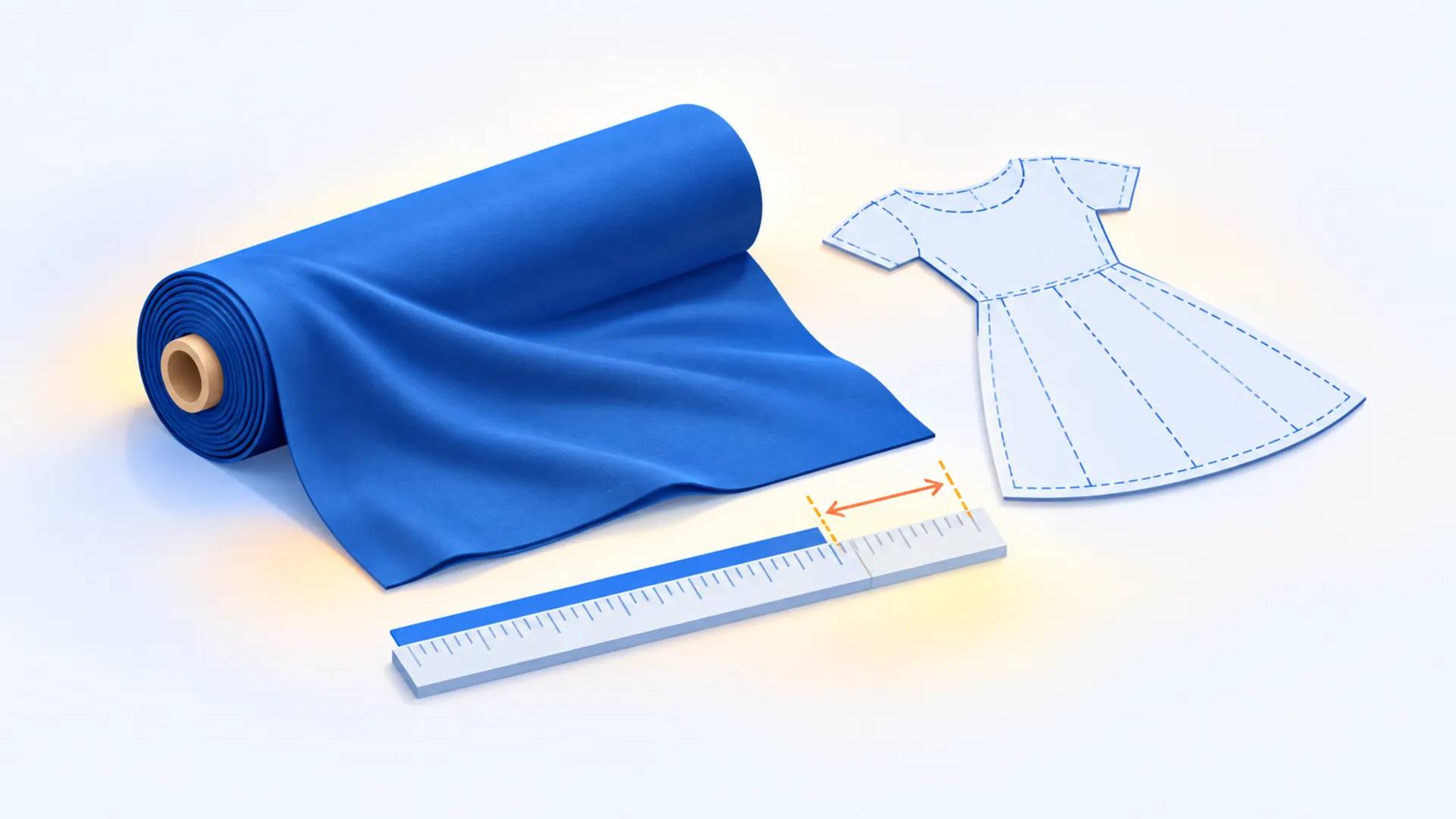
The customer who orders too little fabric twice
A third of a sewing brand's support tickets were people who had run out mid-project. Telling shoppers how much they needed, before they bought, changed the order size and the reviews at once.
Skeins per order 3.1 → 7.4
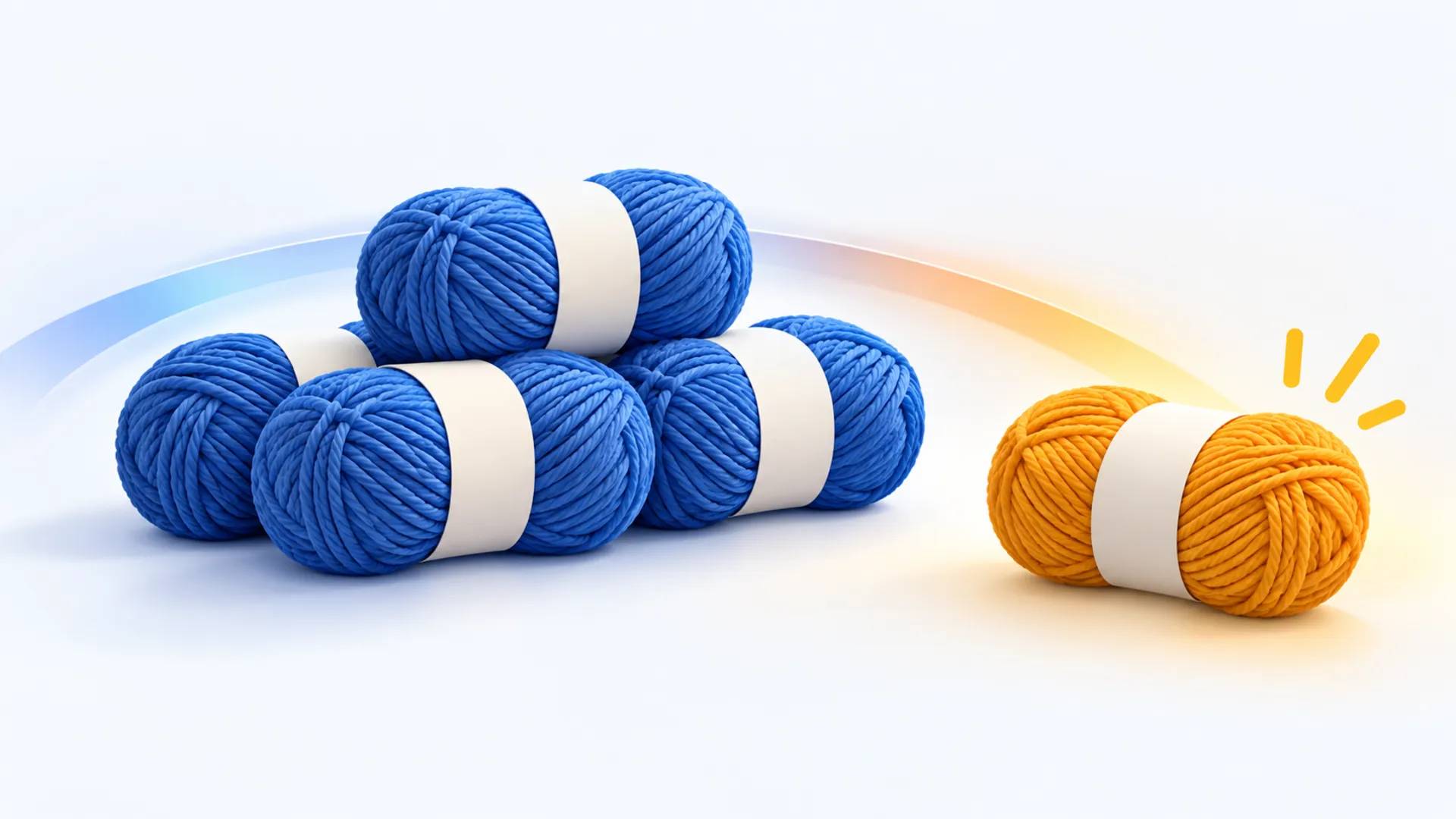
Solving the dye-lot problem knitters worry about before they buy
Knitters buy the whole sweater's worth of yarn at once or they do not buy at all, because two dye lots will not match. The listing said nothing about lots, so the cautious ones bought one skein to check.

Project-term revenue $12k → $251k / mo
Teaching the project that the materials are for
Nobody wakes up wanting adhesive vinyl. They want the thing it makes. A craft supplies brand was competing on the material term and ignoring the far bigger search around the project itself.
Catalog coverage per order 1.4 → 3.6 SKUs
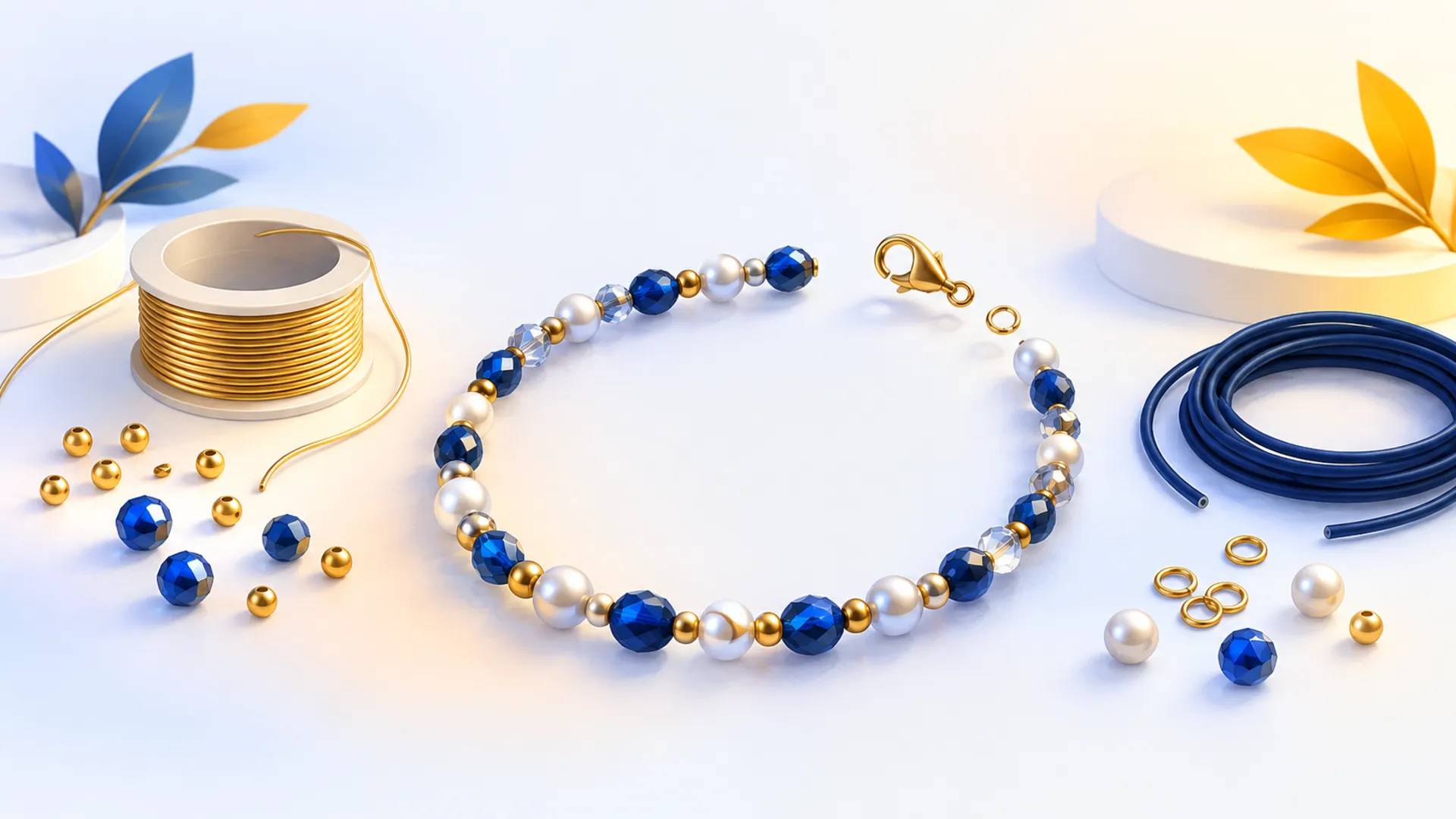
Nobody finishes a necklace with one component
A jewelry findings brand sold clasps, cord, crimps and wire as unrelated listings. The customer needed all four to finish one piece, and was buying three of them from somebody else.
Deliverable footprint 61% → 96% of orders
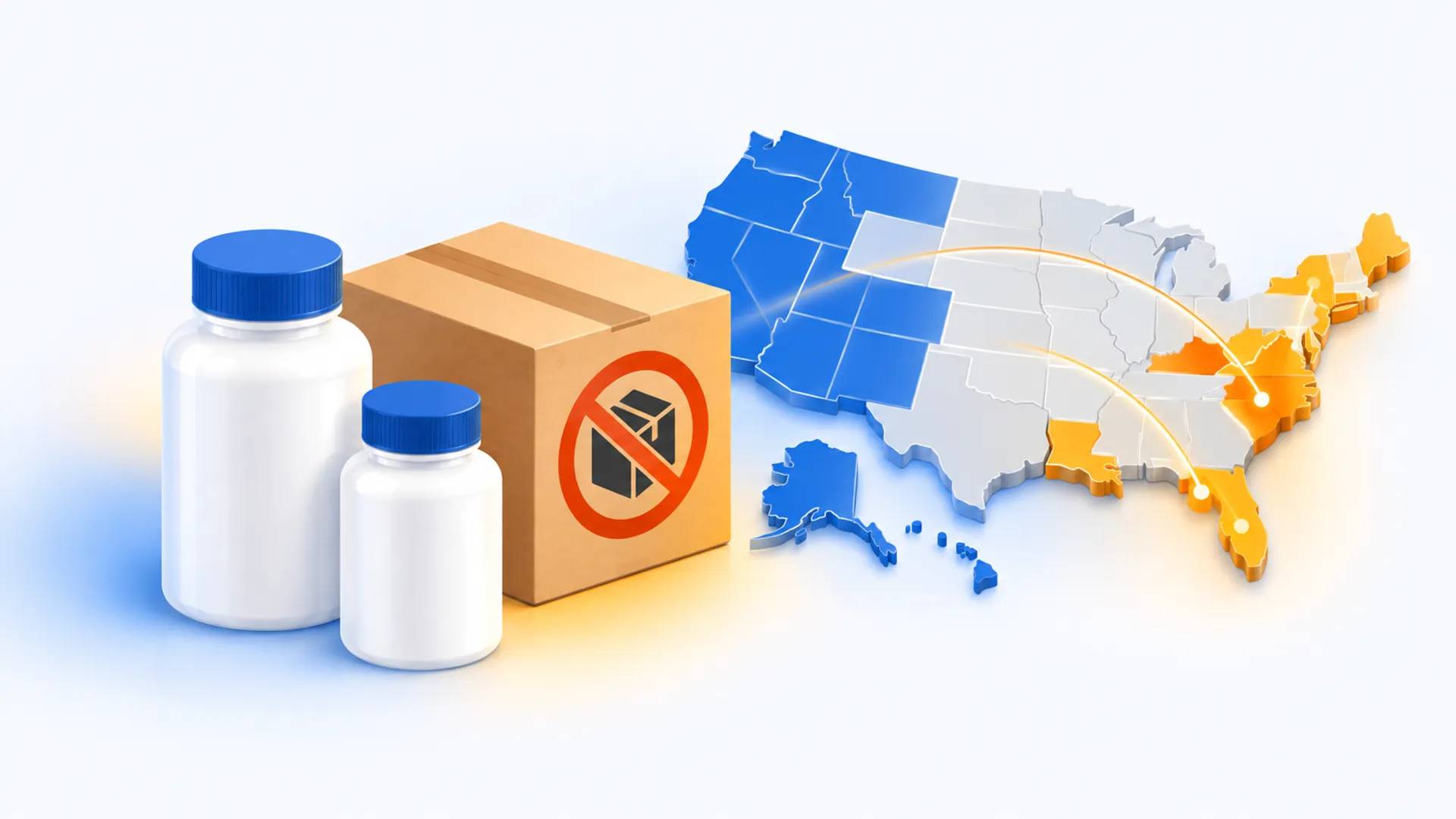
A chemical product that could only be sold where it could be shipped
An epoxy brand's listings were suppressed, throttled and unshippable to whole regions because the product's hazmat classification had never been resolved properly. It was a paperwork problem costing a third of the addressable market.

+164% impressions on scale queries
Eight ways to write the same scale, and the listings used one
Model builders search by scale, and there is no agreed way to type it. A kit brand indexed '1/48' and was invisible to everyone who typed '1:48', '1-48' or '48th scale'.
New-to-brand orders +284%
Selling the evening, not the canvas
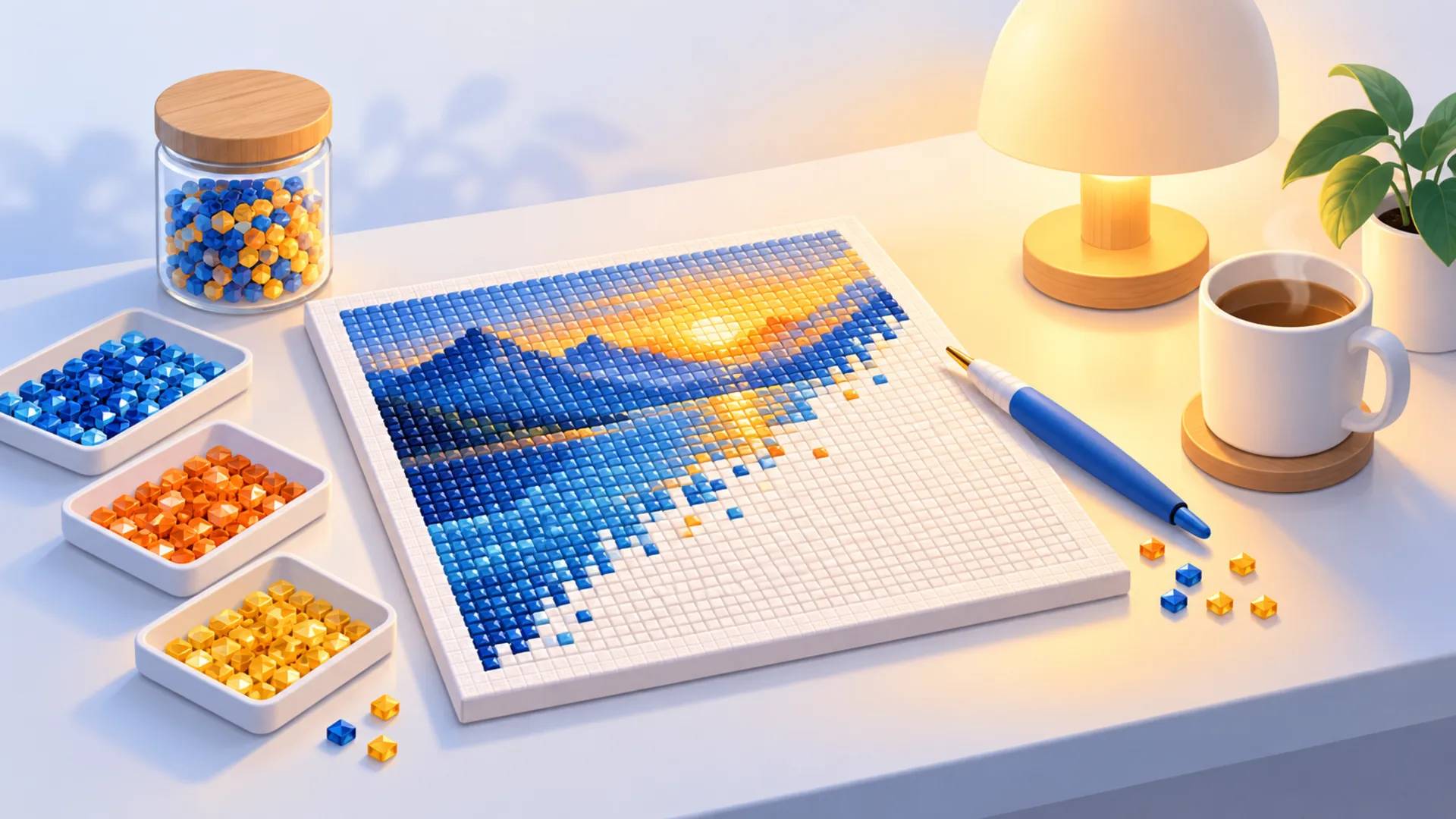
Diamond painting kits were being advertised to people who already knew what diamond painting was — a small and fully contested pool. The larger audience was looking for something calm to do, and had never heard the term.
Blended ACoS 44% → 22%
The same product competing in two different markets at once
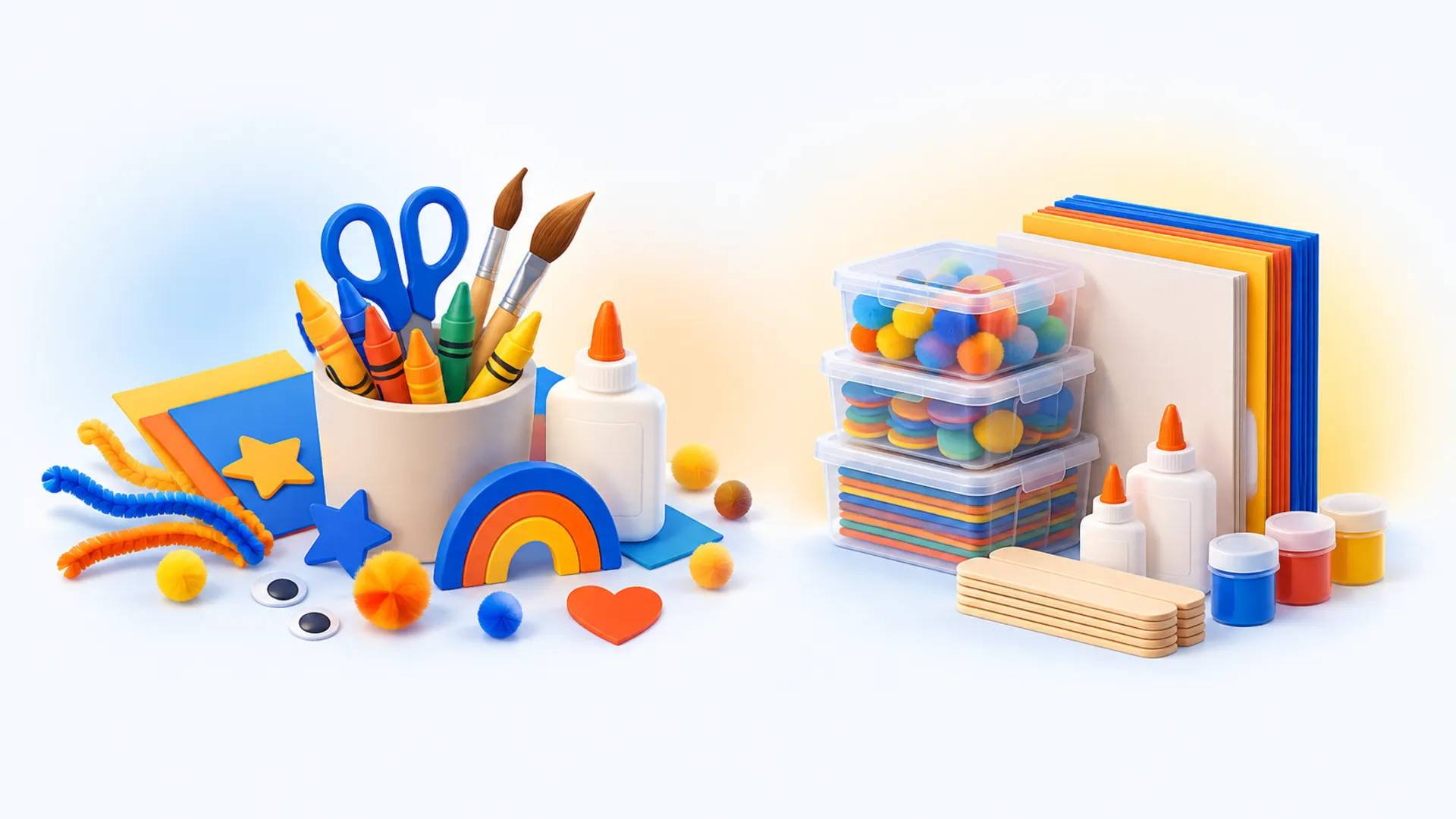
A kids' craft brand's products were bought both as toys and as classroom supplies. The two audiences have different competitors, different price expectations and different seasons — and one set of campaigns was averaging them together.

Repeat purchase 22% → 49%
Publishing the numbers that stop a first batch from failing
Candle making fails on ratios, not on ingredients. The brand sold fragrance oil and wax to beginners and left them to guess how much of one goes into the other.
Ready to scale your Amazon brand?
Talk to a senior strategist and leave with a growth plan for your store — no obligation.