
Amazon Pet Supplies Case Studies
Real campaigns we ran for pet supplies brands on Amazon — what was broken, what we changed and what it moved.

+187% organic sales
Growing organic Amazon sales 187% with listing SEO and Rufus optimization
A US pet supplements brand rebuilt its listings around how shoppers — and Amazon's Rufus AI assistant — actually search, growing organic sales from $58k to $166k a month on flat ad spend.

Stage-to-stage retention 12% → 44%
Keeping the customer when the puppy stops being a puppy
A pet nutrition brand acquired customers at the puppy stage and lost almost all of them at month twelve, when the animal outgrew the product. The transition was a marketing moment nobody was covering.

Repeat purchase rate 21% → 49%
Reaching the reorder moment for customers who refuse to subscribe
Most of the brand's buyers would not enroll in a subscription, and the brand had treated them as one-time customers. They were repeat customers on a clock nobody was reading.

Click-through rate +88%
Studio photography lost to phone photos of real pets
The brand's imagery was professionally lit, perfectly styled, and outperformed by customer snapshots in every test we ran. In this category, polish reads as advertising and advertising reads as doubt.

Conversion 4.6% → 9.9%
Selling a clinic-priced product to shoppers who had already seen the clinic price
A brand distributed through veterinary practices moved onto Amazon and found its price being compared with mass-market shelf products rather than with the channel it came from.

Conversion 6.8% → 11.9%
Making fit the first thing the page answers, by breed and body weight
Dog owners do not search for products, they search for products for their dog. A brand with a genuinely adjustable range was invisible to every one of those searches.

Refusal returns 17% → 7%
When the customer likes the product and the cat refuses it
A cat food brand was being returned and one-starred by owners whose cats simply would not eat it — a failure mode no amount of ingredient copy can prevent, and one the listing was quietly making worse.
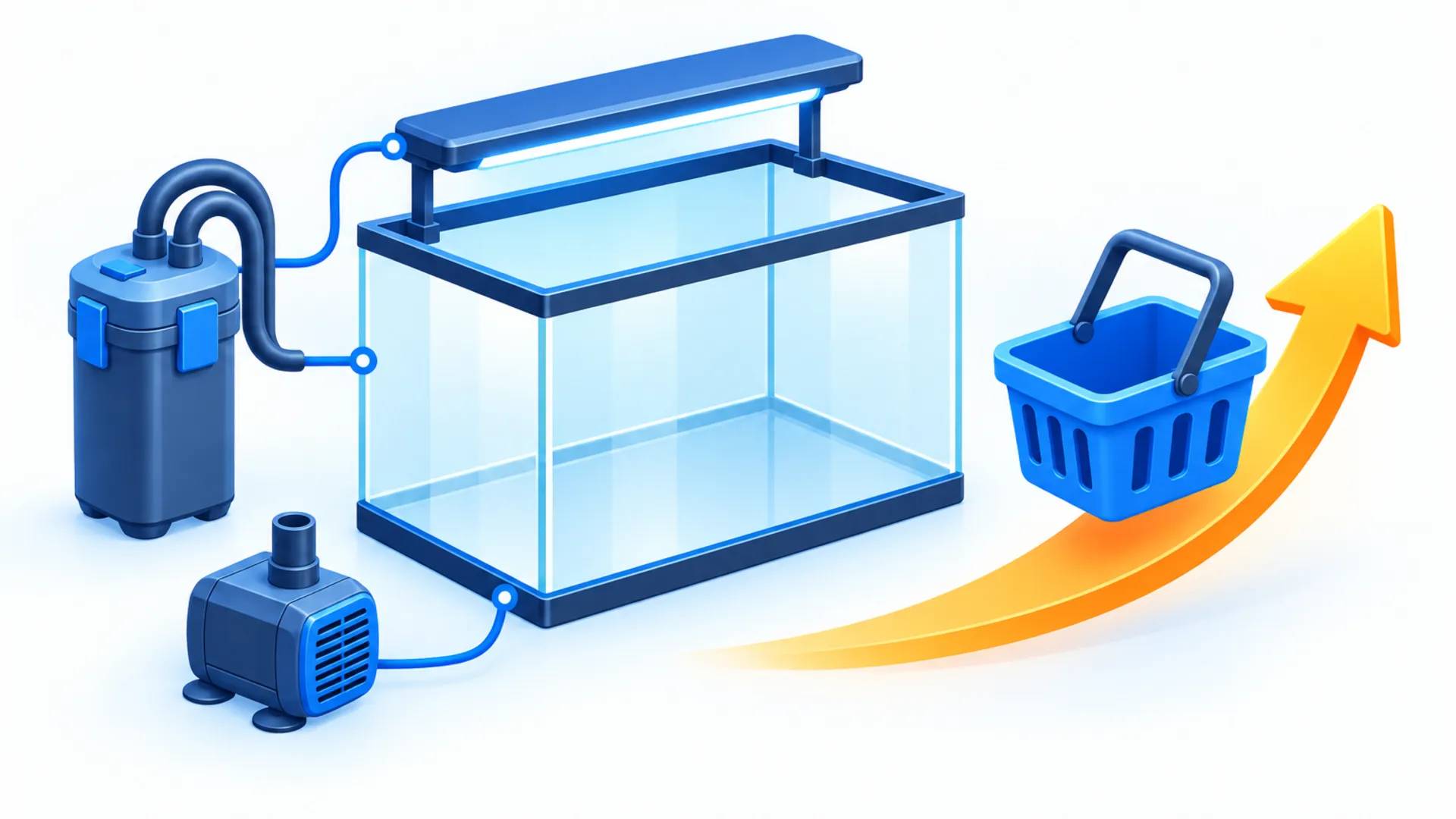
Items per order 1.2 → 3.4
Nobody needs a filter — they need a tank that works
An aquatics brand sold filters, heaters, test kits and treatments as separate products to beginners who did not yet know they needed all four. Teaching the system sold the system.
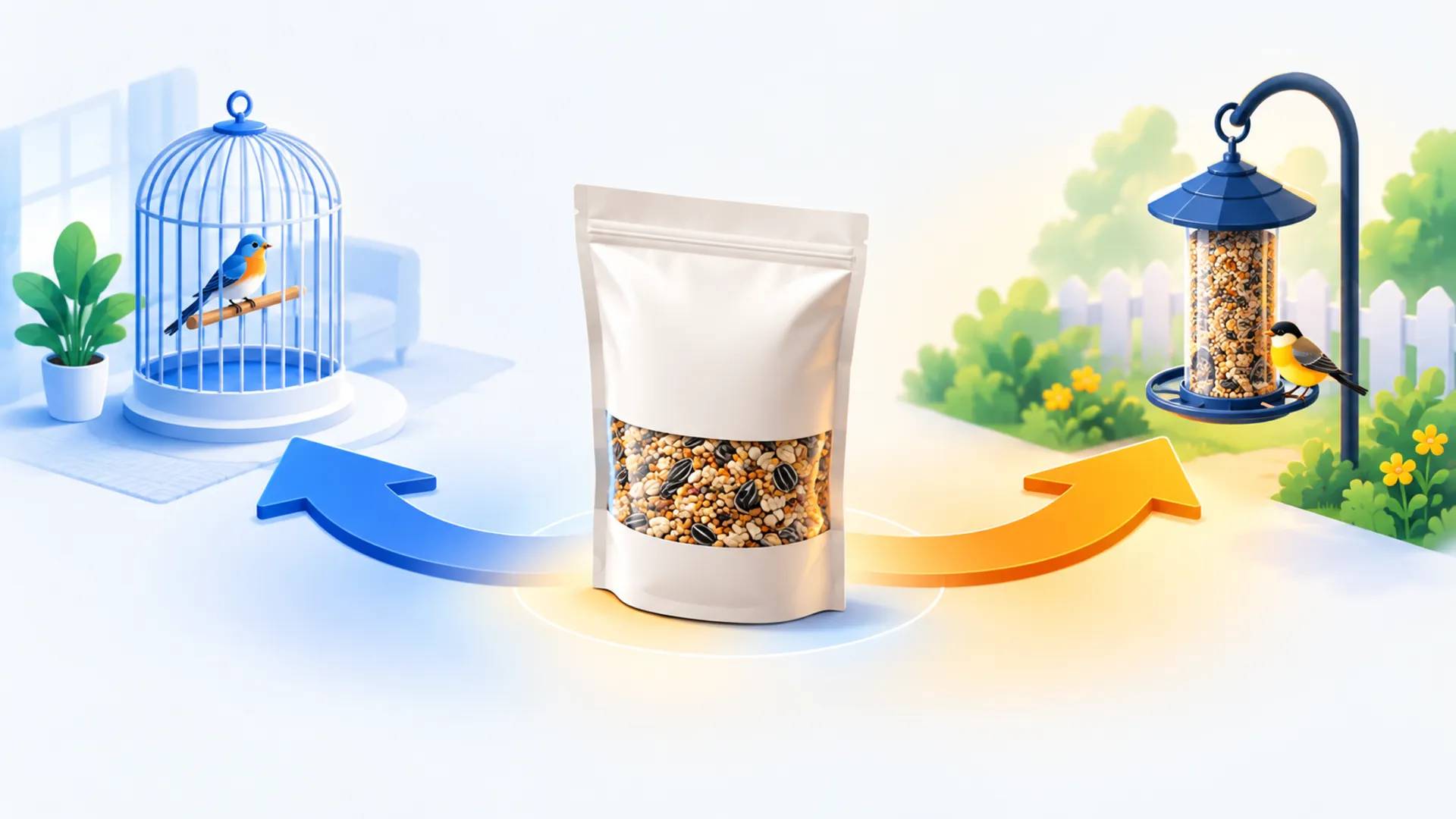
Wasted ad spend cut 61%
Two audiences, one keyword: separating wild-bird from pet-bird buyers
A bird nutrition brand was bidding on terms that two entirely different shoppers use — a backyard feeder buying by the sack and a parrot owner buying by the bag — and losing money on both.

Organic revenue share 22% → 71%
Building a business out of thirty searches nobody else wanted
Guinea pigs, ferrets, chinchillas and rats are each too small a market to interest a large brand. Together, and owned completely, they are a category.

Pre-purchase questions down 74%
Writing for a buyer who reads the spec sheet before the marketing
Reptile keepers buy on numbers — wattage, UVB output, temperature range, enclosure dimensions. The brand's listings were written in adjectives, and the questions section was doing the selling.
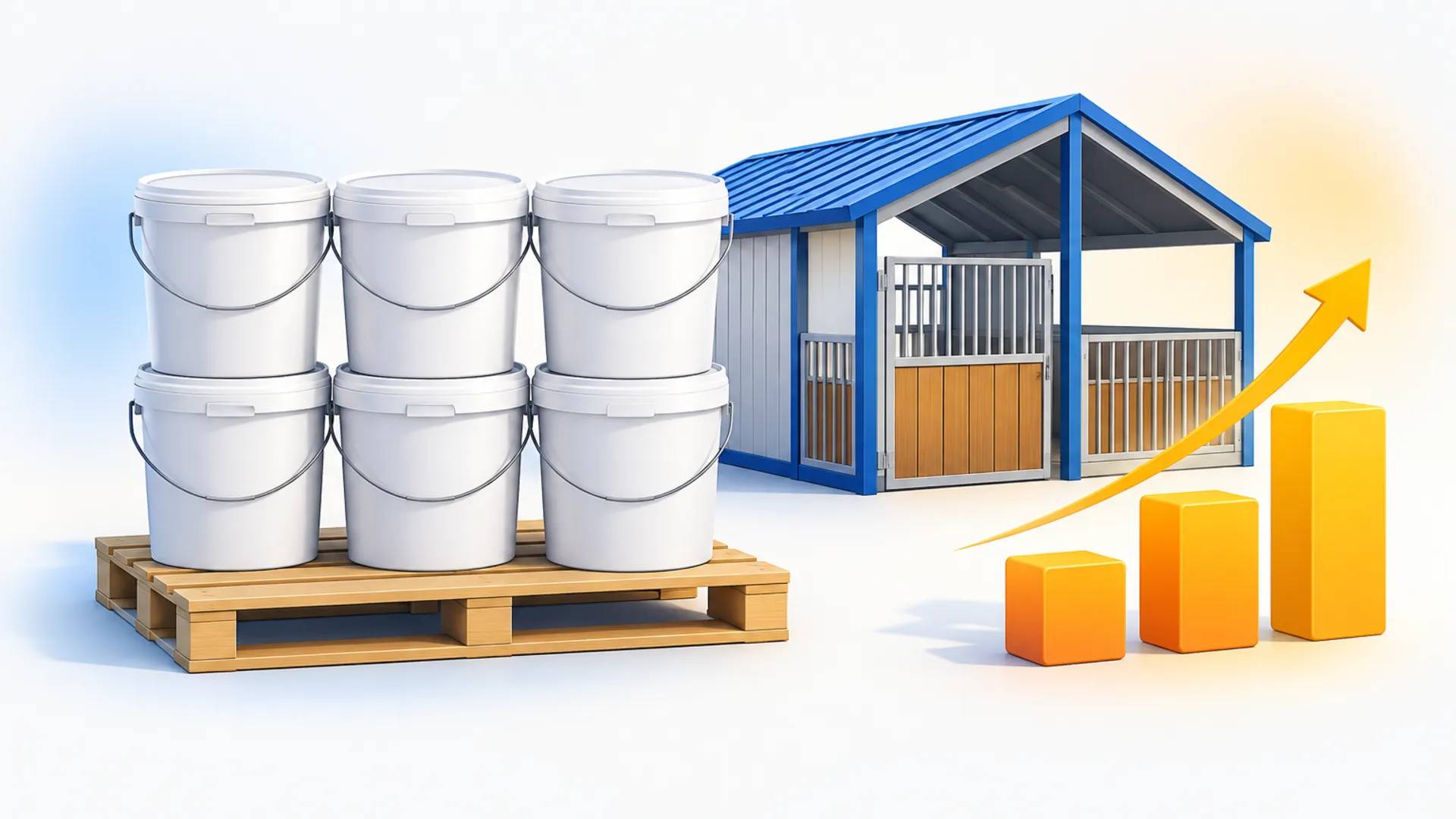
Average order value $74 → $168
Selling to barns, not to riders: building for the professional buyer
An equine supplies brand had built everything around the individual horse owner and never noticed that its largest orders came from stables buying for twenty animals at a time.
Ready to scale your Amazon brand?
Talk to a senior strategist and leave with a growth plan for your store — no obligation.