
Amazon Industrial & Scientific Case Studies
Real campaigns we ran for industrial & scientific brands on Amazon — what was broken, what we changed and what it moved.
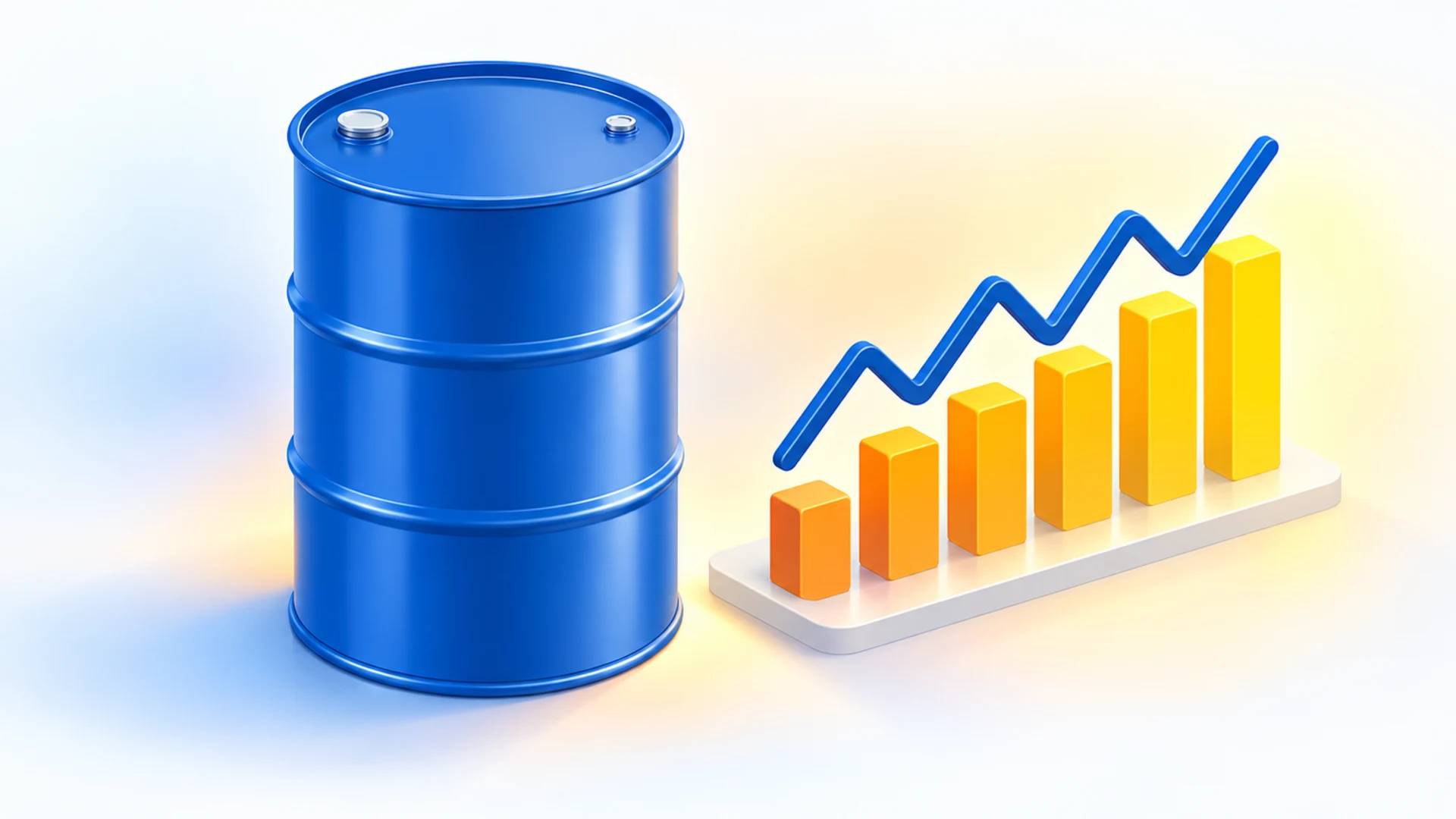
ACoS 39% → 26%
Spending when the shelf runs out, not when the month begins
An industrial consumables brand ran its advertising at a flat daily budget while its customers reordered in predictable waves. Matching the spend curve to the consumption curve cut wasted clicks by more than half.
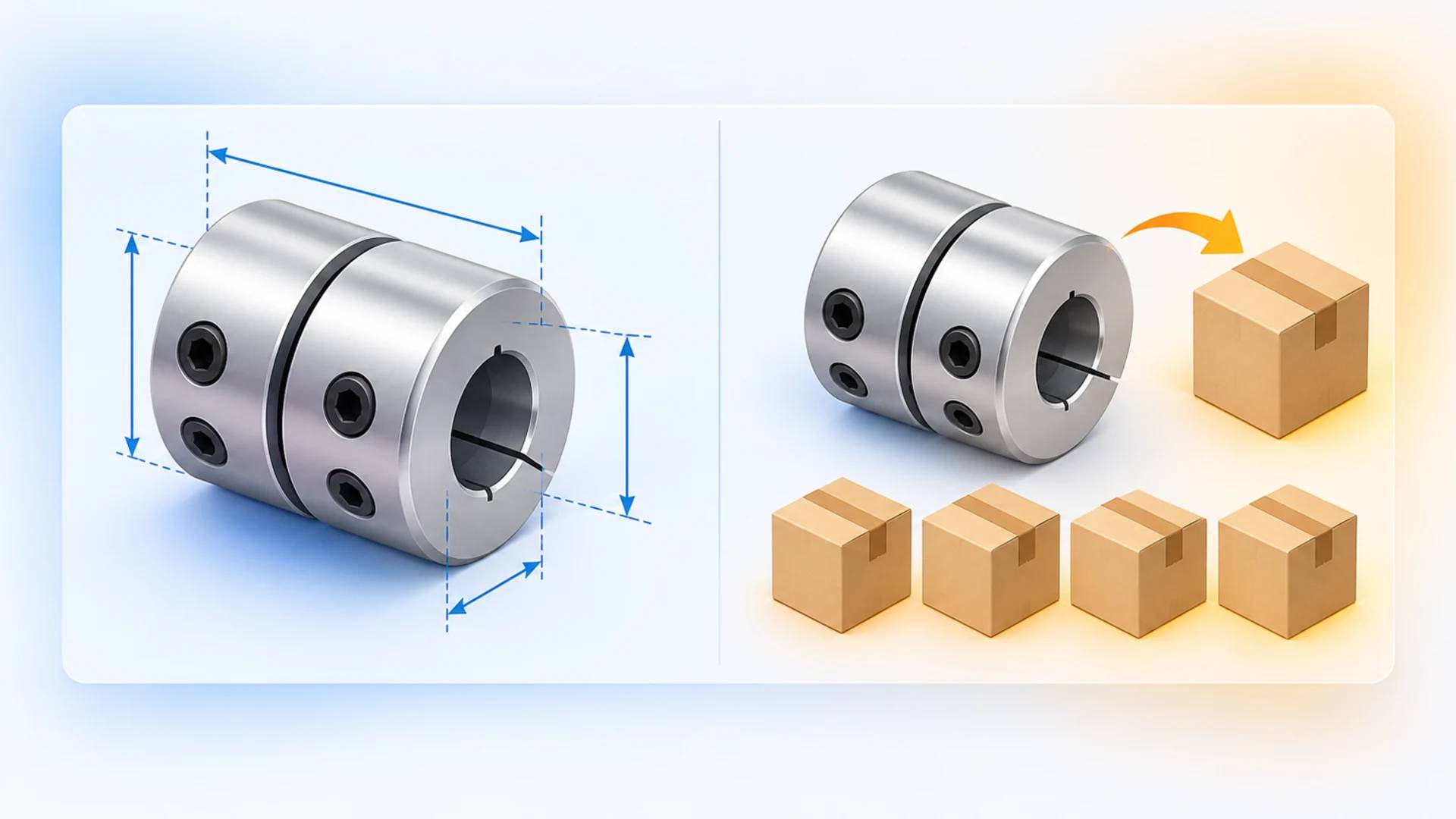
Conversion 4.6% → 8.9%
Writing one page for two people: the engineer who chooses and the buyer who pays
In industry the person who selects the product and the person who places the order are rarely the same. The brand's listings spoke to one of them and lost the other.
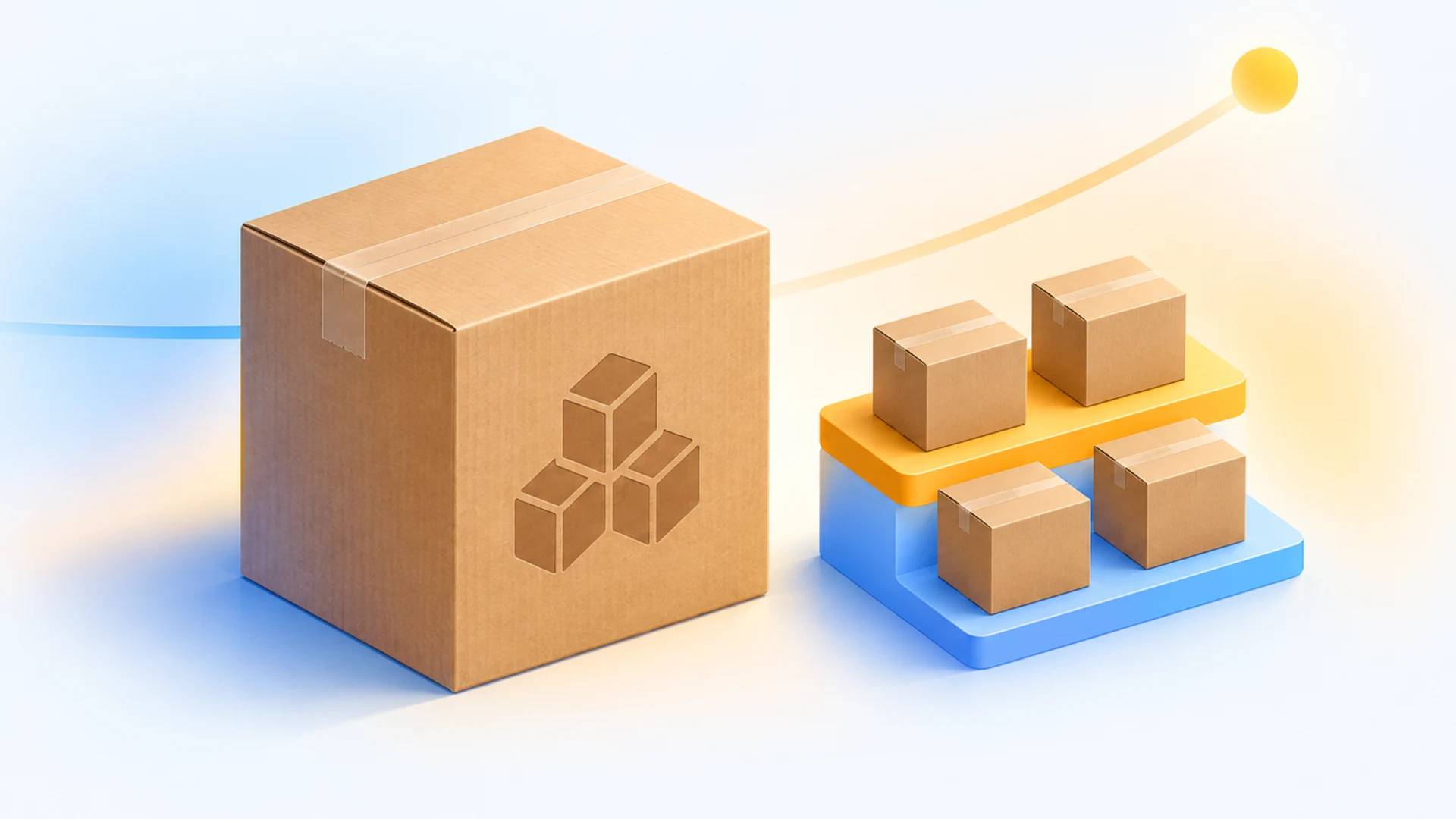
Click-through rate +148%
Losing on the search page because the price meant something different
The brand sold cases of 500 and its competitors sold packs of 25. On a search results page that made a fair price look like a wild one, and shoppers never opened the listing to find out otherwise.
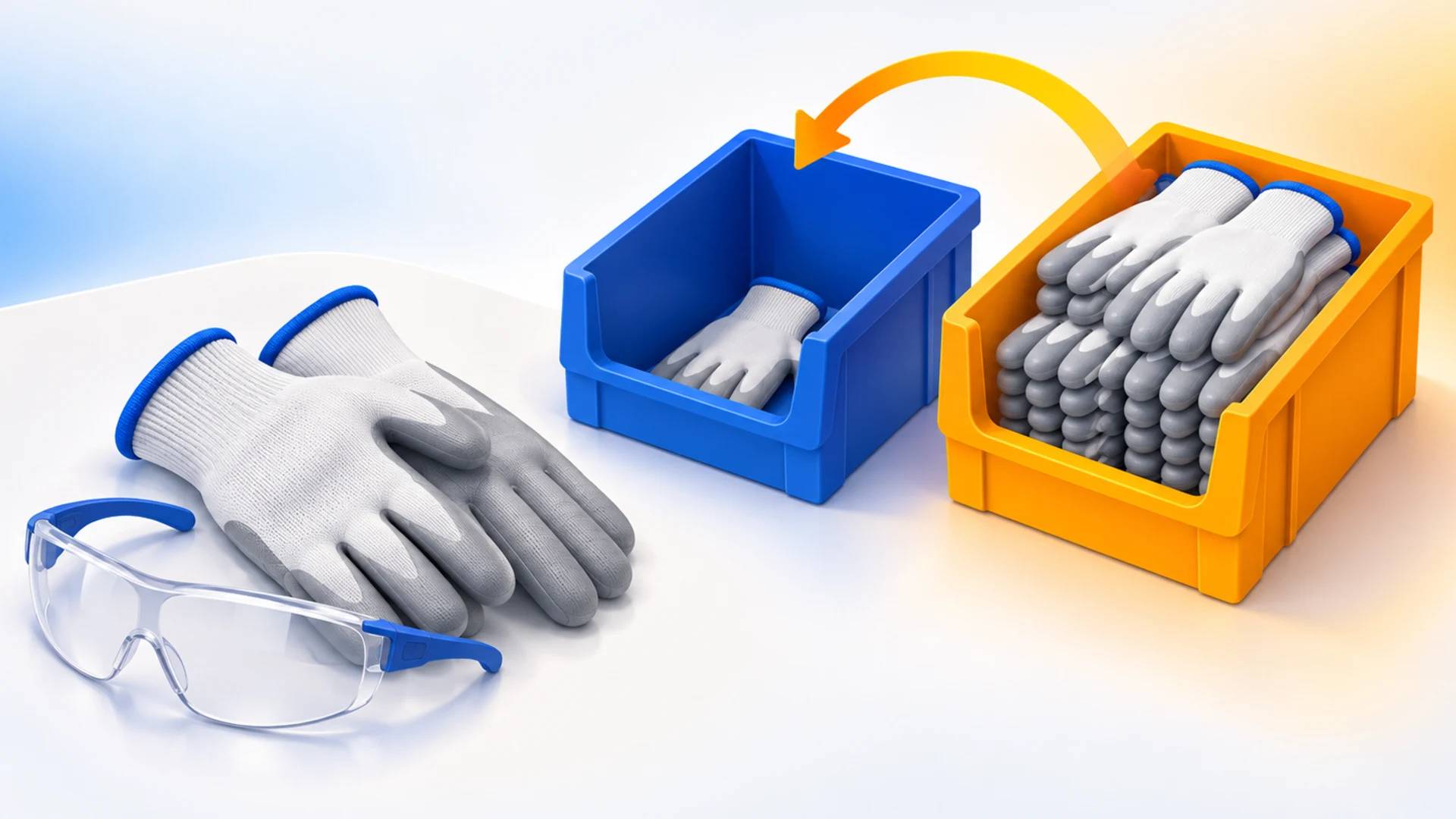
Reorder rate 23% → 48%
The safety manager buys it; the crew decides whether it gets worn
Protective equipment that sits in a drawer never gets reordered. We rebuilt the brand's argument around wearability, which is what actually determines how fast a site comes back for more.
Rating 3.6 → 4.0
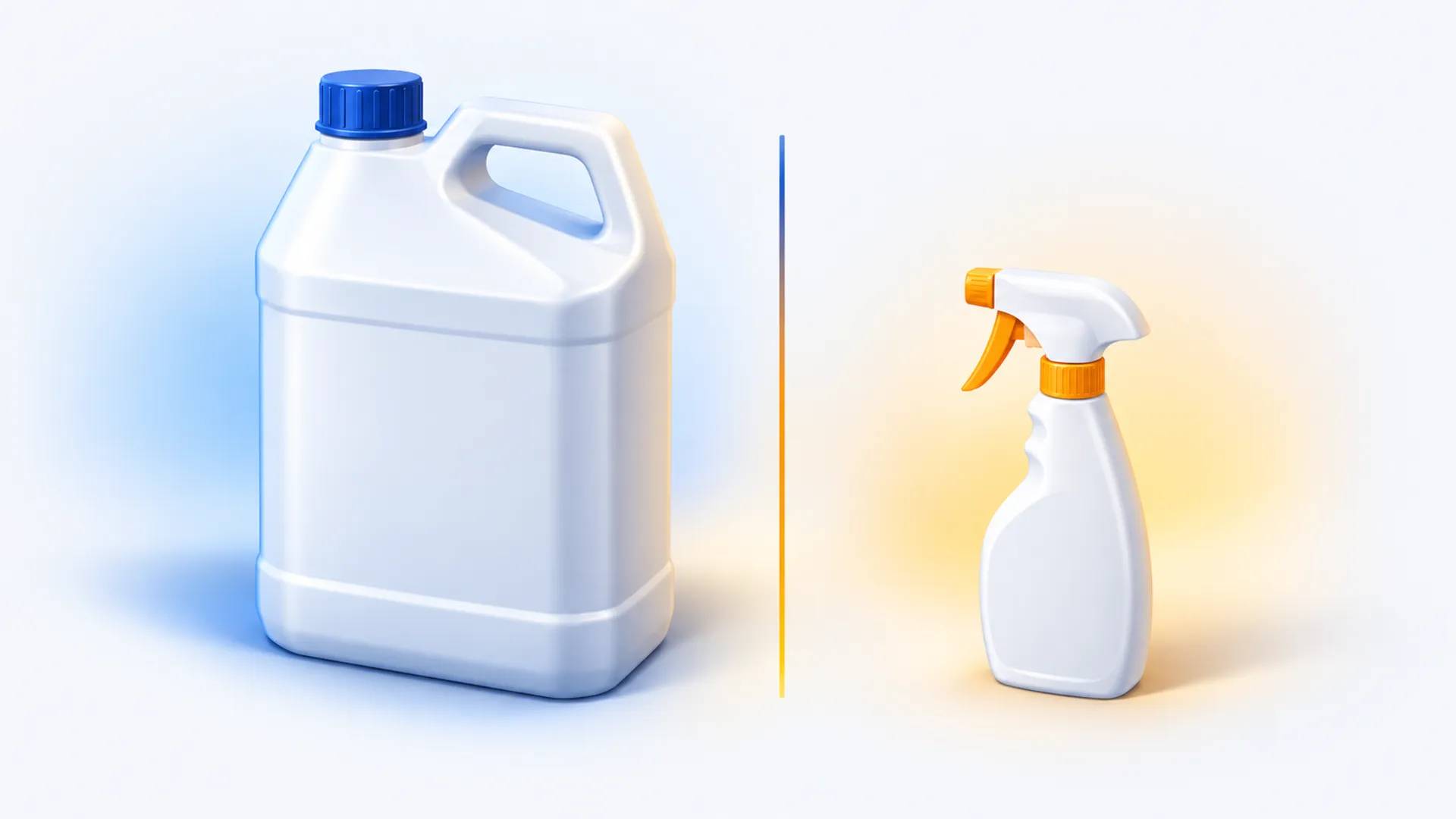
Turning away the wrong customer on purpose
A commercial cleaning brand was being bought by households who found the products far too strong and said so in writing. We rewrote the listings to discourage them, lost conversion, and gained a business.
New-to-brand orders +294%
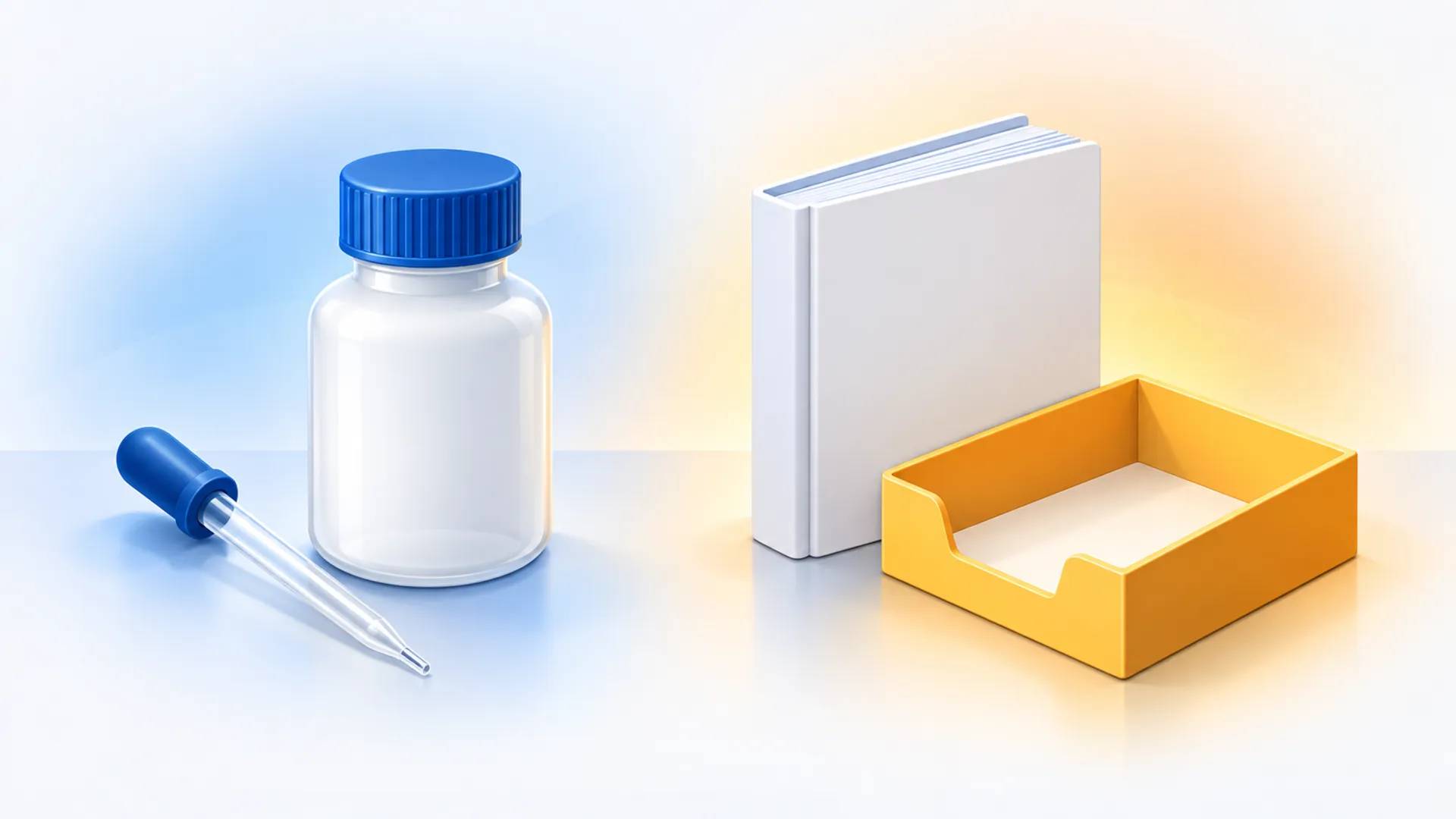
Competing with a distributor catalog instead of with other sellers
The brand's real competition was never the seller on the next search result. It was a quote request, a purchase order and a two-week wait — and nothing on its listings said so.
Repeat purchase 27% → 58%
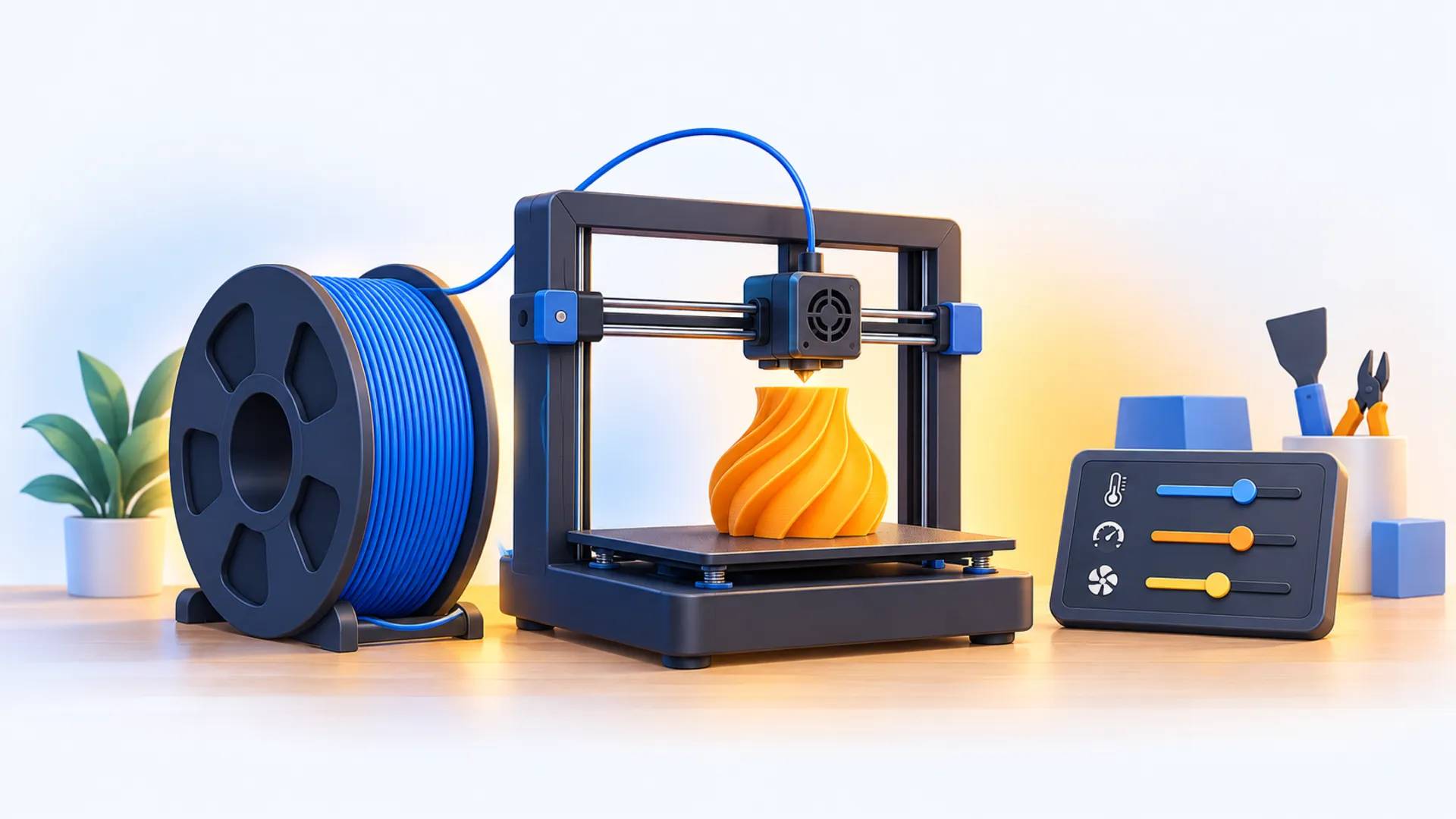
The second spool is the business: support as a retention lever
A filament brand was acquiring customers efficiently and losing them on the first failed print. Publishing tested settings for the printers people actually own turned a one-off purchase into a habit.
Revenue +112% on a pre-assembled option
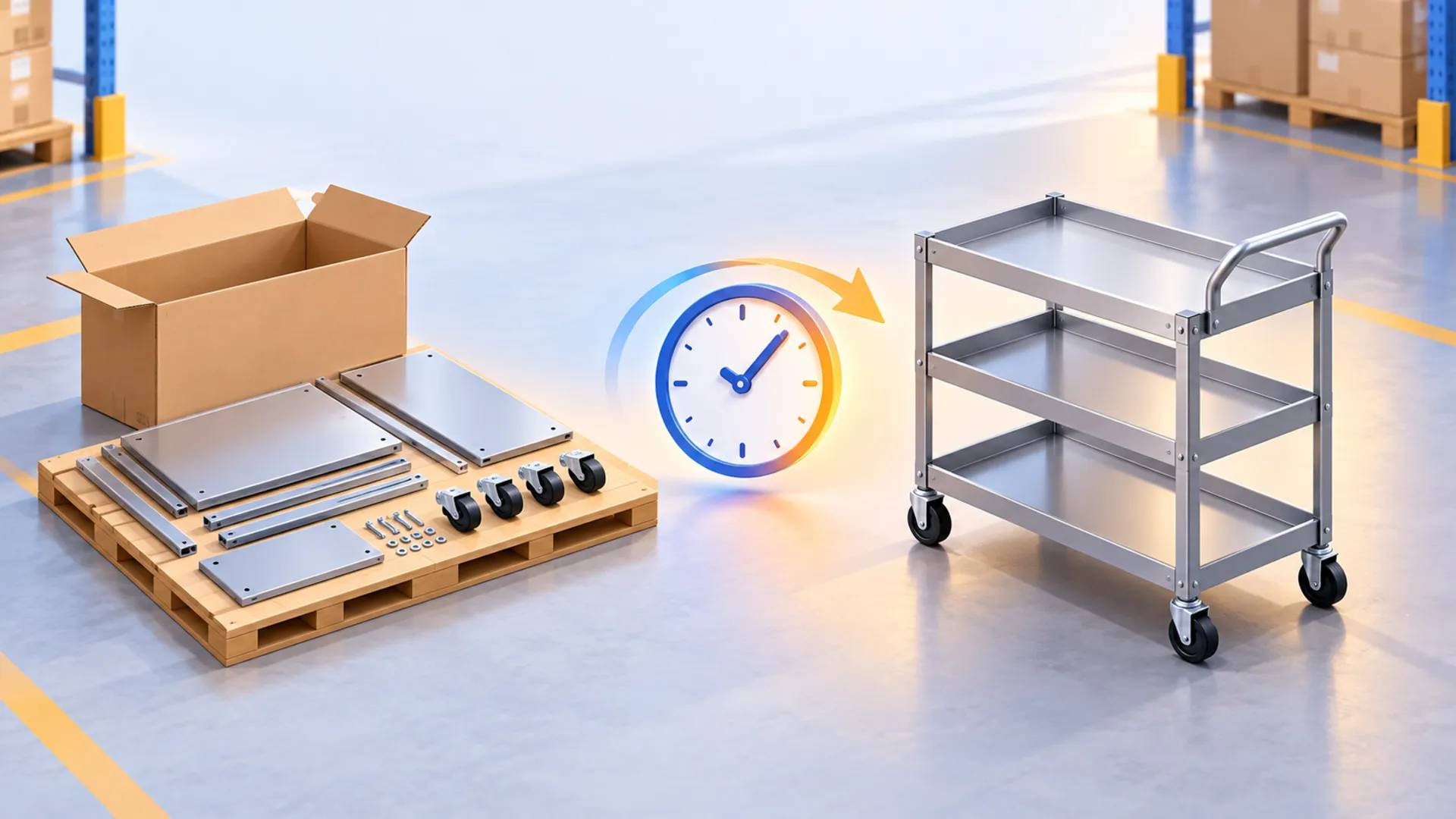
Selling the two hours of labor, not just the steel
The brand's shelving and carts shipped flat and took a warehouse team most of a morning to build. Adding a pre-assembled option changed which buyer could say yes.
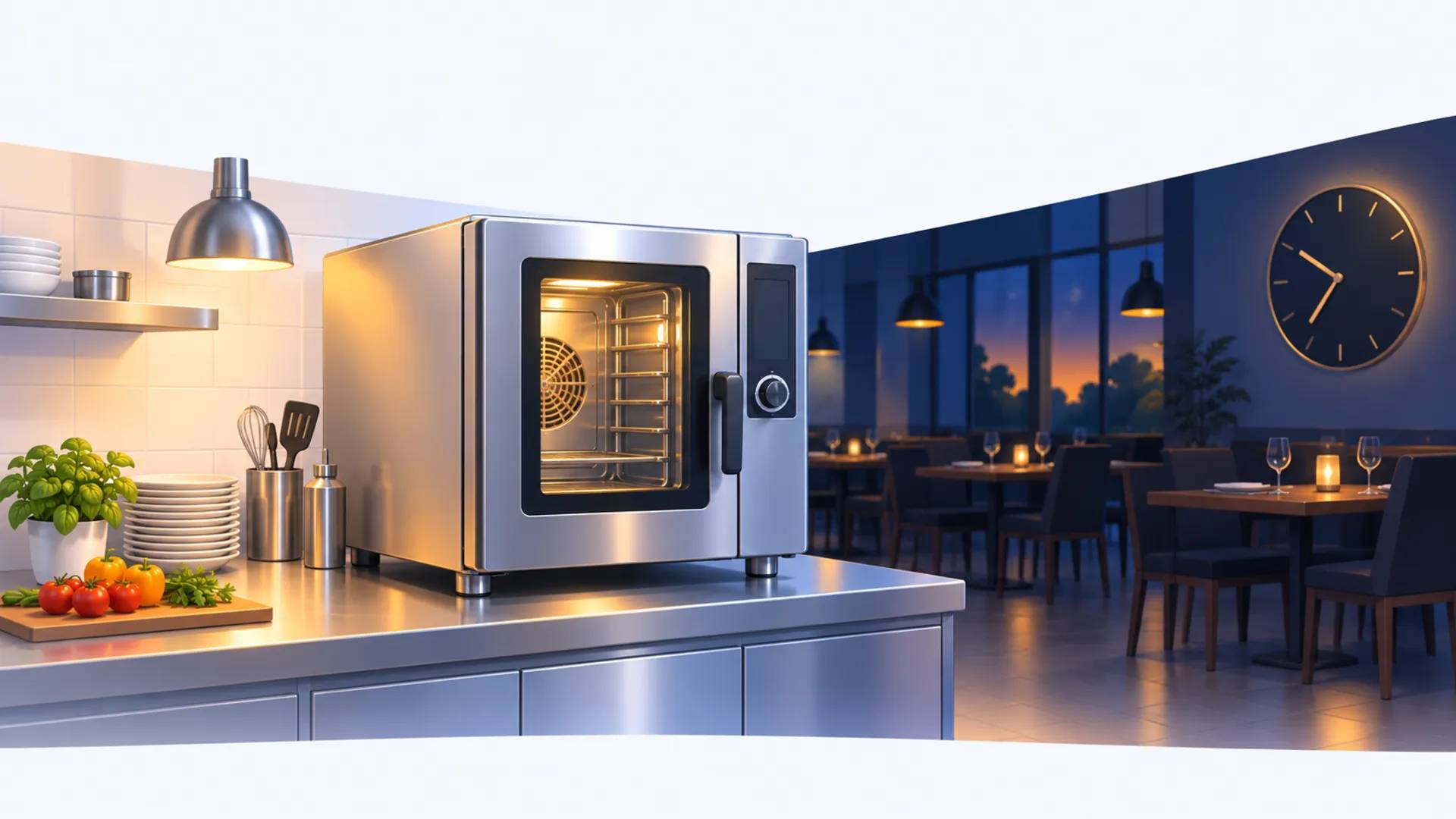
Conversion 2.1% → 4.4%
The machine costs $900 more and one broken service costs $4,000
A commercial kitchen brand's machines looked identical in photographs to light-duty units at half the price. The difference is what happens at 7pm on a Friday, and no listing had ever put a number on it.
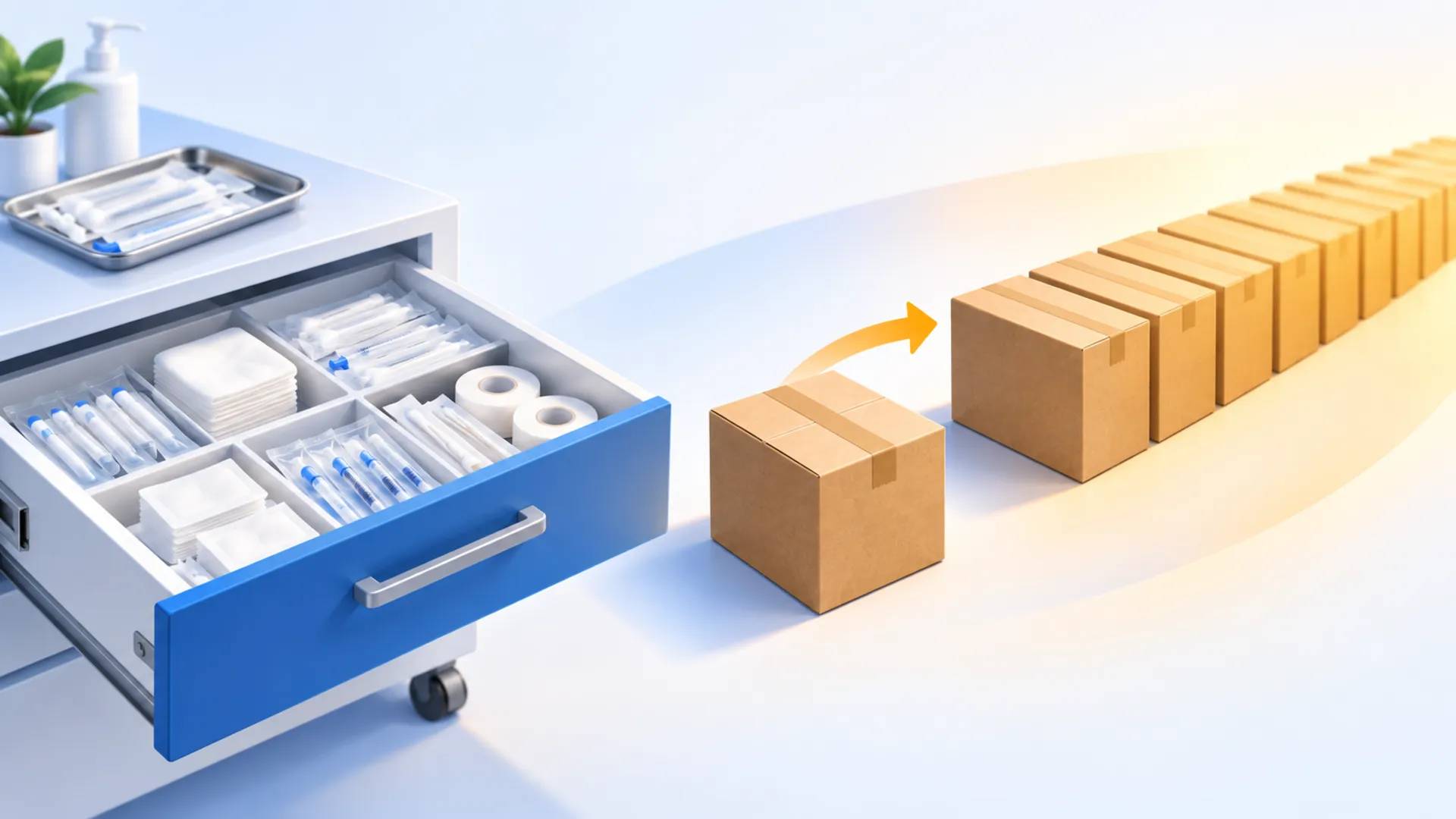
New-to-brand orders +218%
Bidding on what a clinic is worth, not on what it orders first
The brand judged every campaign on the profitability of a single order in a category where the first order is a test and the thirtieth is the business. Repricing the click to a clinic's real value let it outbid everyone.

Reviews 41 → 1,180
Forty reviews on eleven thousand orders: the professional buyer problem
Tradespeople do not leave reviews. The brand's listings looked untested beside consumer products with thousands of them, despite selling far more units to far more demanding customers.

Revenue $132k → $310k
When the search term is a code, not a sentence
Fastener buyers do not search for “stainless bolts”. They search for the designation written on the drawing in front of them, and the brand's listings contained words instead of codes.
Ready to scale your Amazon brand?
Talk to a senior strategist and leave with a growth plan for your store — no obligation.