
The safety manager buys it; the crew decides whether it gets worn
Reorder rate 23% → 48%
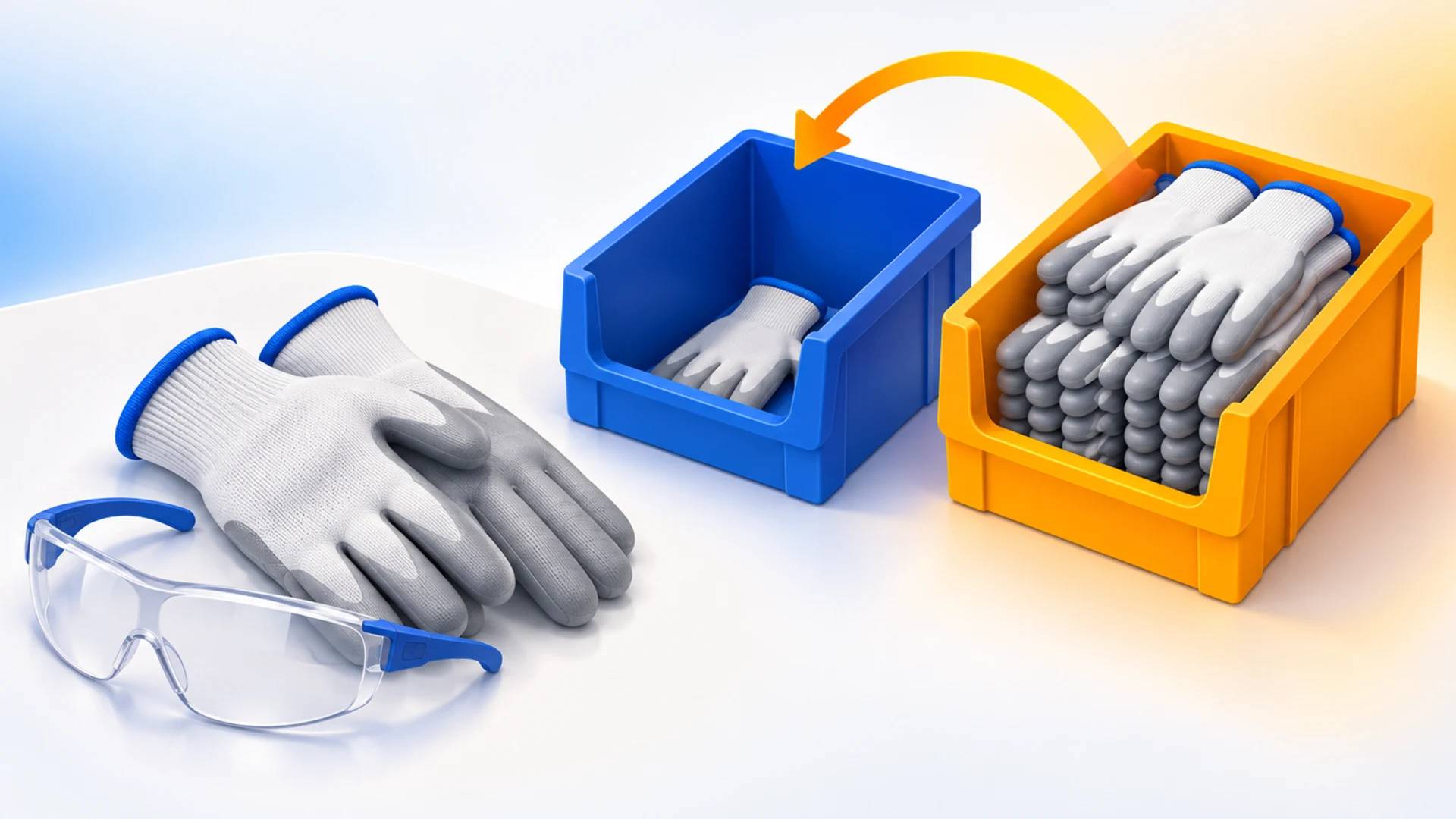
Protective equipment that sits in a drawer never gets reordered. We rebuilt the brand's argument around wearability, which is what actually determines how fast a site comes back for more.
At a glance
- Category
- Occupational Safety
- Marketplaces
- US, UK
- Revenue at start
- $198k / month
- Insight
- Consumption depends on whether the gear is actually worn
- Engagement
- Creative & content + PPC
- Timeframe
- 10 months
Results
The challenge
Every listing in the catalog argued about protection: the rating, the test standard, the materials. That argument wins the first order, because the person placing it is responsible for compliance and buys the level the job requires.
It has nothing to do with the second order. A site reorders when the gear has been used up, and gear is only used up if the crew wears it. Uncomfortable glasses fog and come off; stiff gloves get cut down or swapped for a pair someone bought themselves. The brand's products were, by the account of its own reviews, unusually comfortable — and that word appeared nowhere in its copy, because comfort sounded unserious in a safety category. The result was a catalog that won first orders at a decent rate and then went quiet: fewer than a quarter of buyers came back within a year.
Our approach
We kept the protection argument and built the reorder argument beside it.
- Comfort evidence made concrete — weight in grams, hours of continuous wear reported by reviewers, and the specific failure modes the design avoids.
- The crew shown as the user, with imagery of gear in continuous use rather than product-on-white and hazard iconography.
- The wear evidence taken from review language, not review quotes, since a listing cannot reproduce review text but can say the same thing in the brand's own words.
- Advertising split by intent — Sponsored Products keeps the compliance framing for acquisition, while Sponsored Display remarketing to previous viewers and buyers leads with wear rate and consumption.
Timeline
Evidence
- Two years of reviews coded for comfort and wear language
- Reorder intervals measured per SKU
- Weight and wear-time data pulled from existing test files
Rebuild
- Image stacks and A+ rewritten around continuous wear
- Protection facts kept, moved to a fixed panel
- Returning-buyer campaigns separated
Compound
- Reorder rate crosses 45% on the two hero SKUs
- Rating up to 4.5 as expectations and product align
- Revenue per first-year customer more than doubles
Inside the ad account
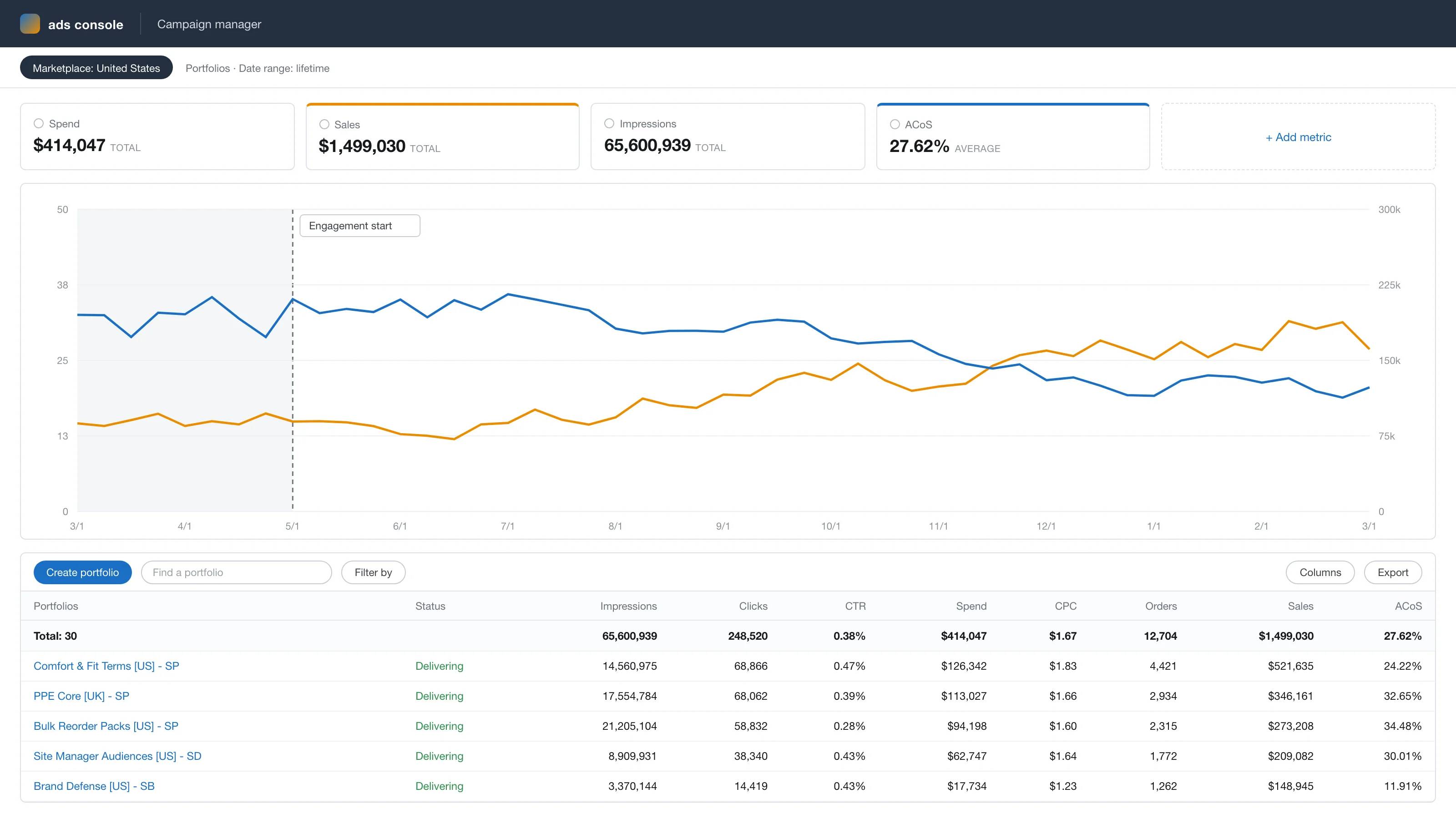
Anonymized account view, rebuilt from the figures reported above: ad sales growing from $89k to $167k a month while ACoS falls from 33% to 21% across the 10-month engagement.
The results
The six-month reorder rate went from 23% to 48%, and revenue rose 88% without the brand adding a product or entering a new market.
Revenue per customer in the first six months doubled — and in consumable safety gear that is the business, because acquisition is the small half of the business. The rating improved half a point as well, because a buyer told the truth about how the product feels to wear is rarely disappointed by it.
“We sold protection ratings. Our customers reorder because their crews will actually keep the glasses on.”
Services we delivered
Related case studies
Ready to scale your Amazon brand?
Talk to a senior strategist and leave with a growth plan for your store — no obligation.