
Amazon Tools & Home Improvement Case Studies
Real campaigns we ran for tools & home improvement brands on Amazon — what was broken, what we changed and what it moved.
Blended ACoS 39% → 21%
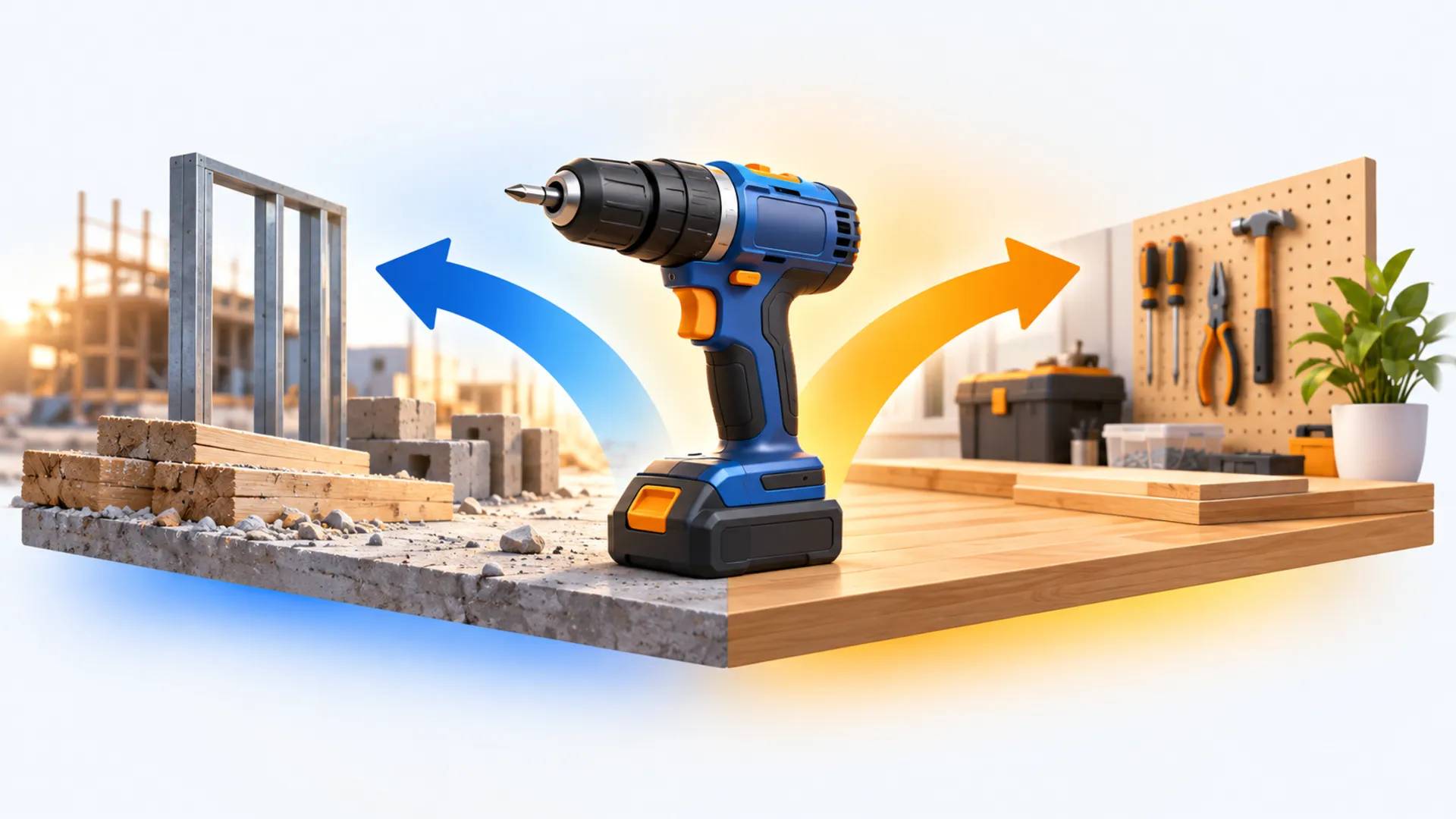
One keyword, two buyers: splitting the tradesman from the weekend user
The same search term brought a contractor buying his fourth one this year and a homeowner buying his first ever. A single listing tried to satisfy both and convinced neither.
Revenue per household +72%
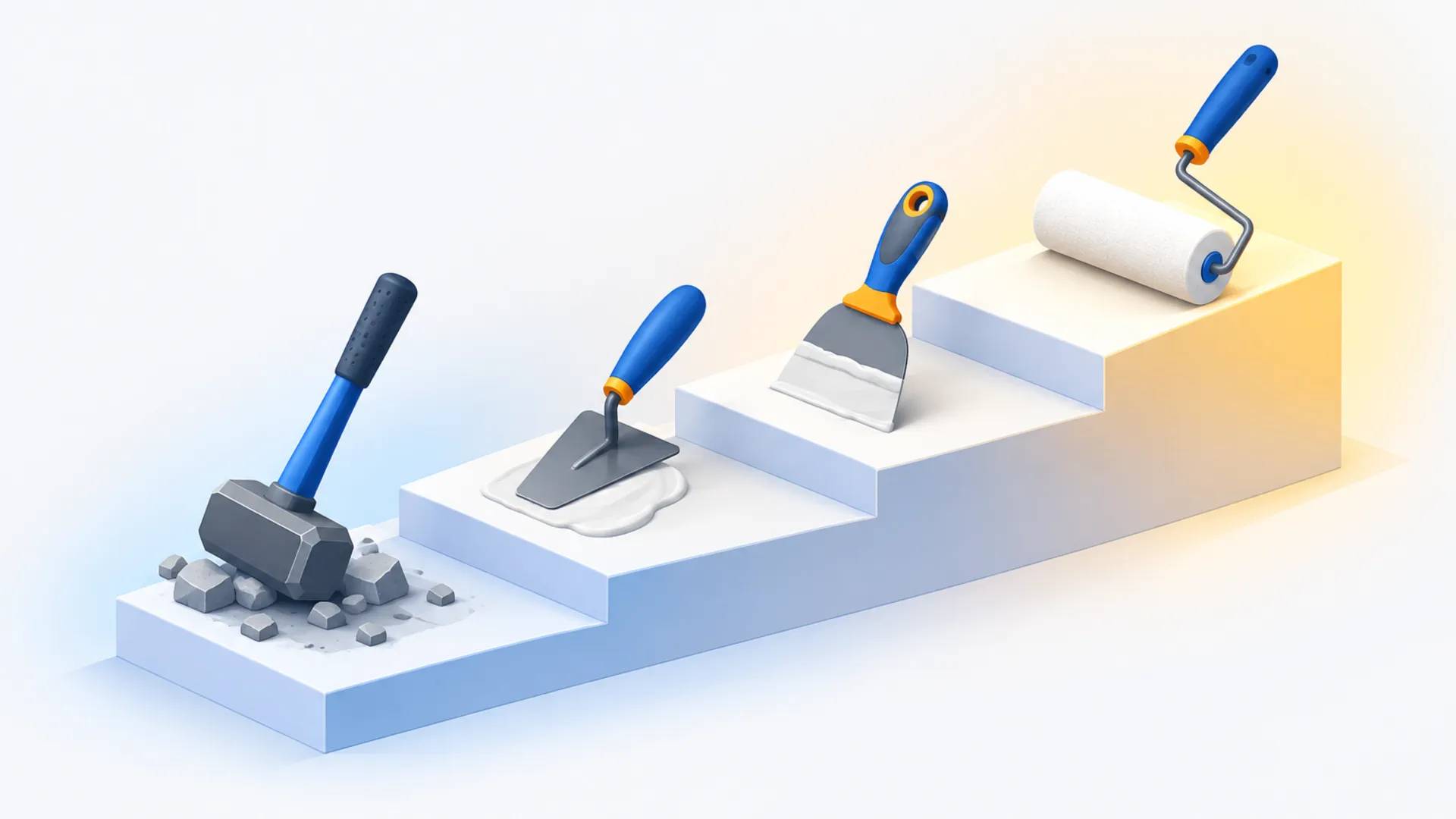
Selling to a renovation in the order it actually happens
A home improvement brand sold products used at four different stages of the same project, and advertised all of them to everybody at once. Sequencing the catalog to the build order changed what one customer is worth.
Bare-tool revenue +319%
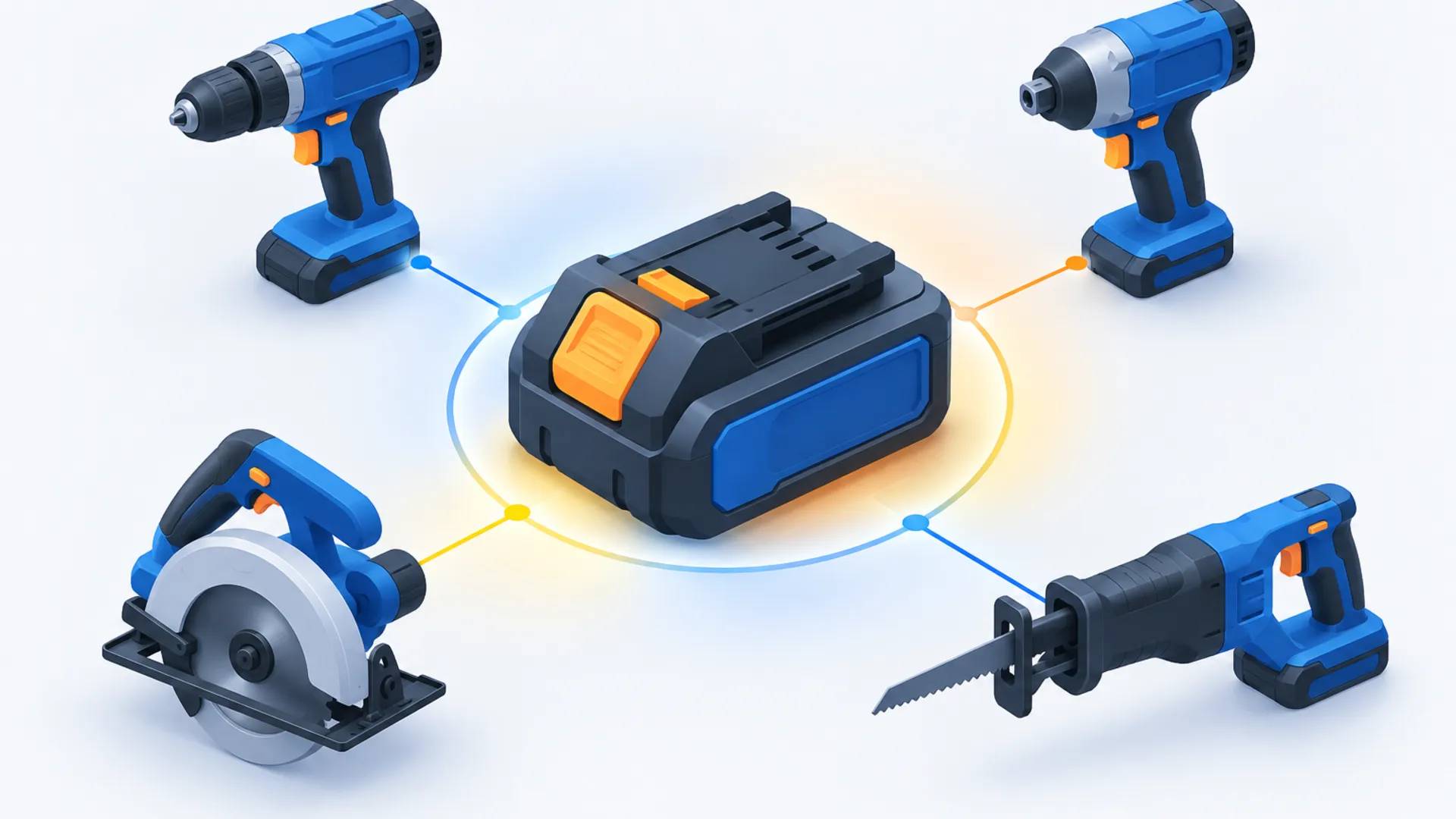
Making the battery platform the product people search for
Every cordless tool the brand sold was buried inside a kit with a battery nobody needed twice. Once the platform had a name shoppers could search, the second and third tool sold themselves.
Units +142% at a higher margin
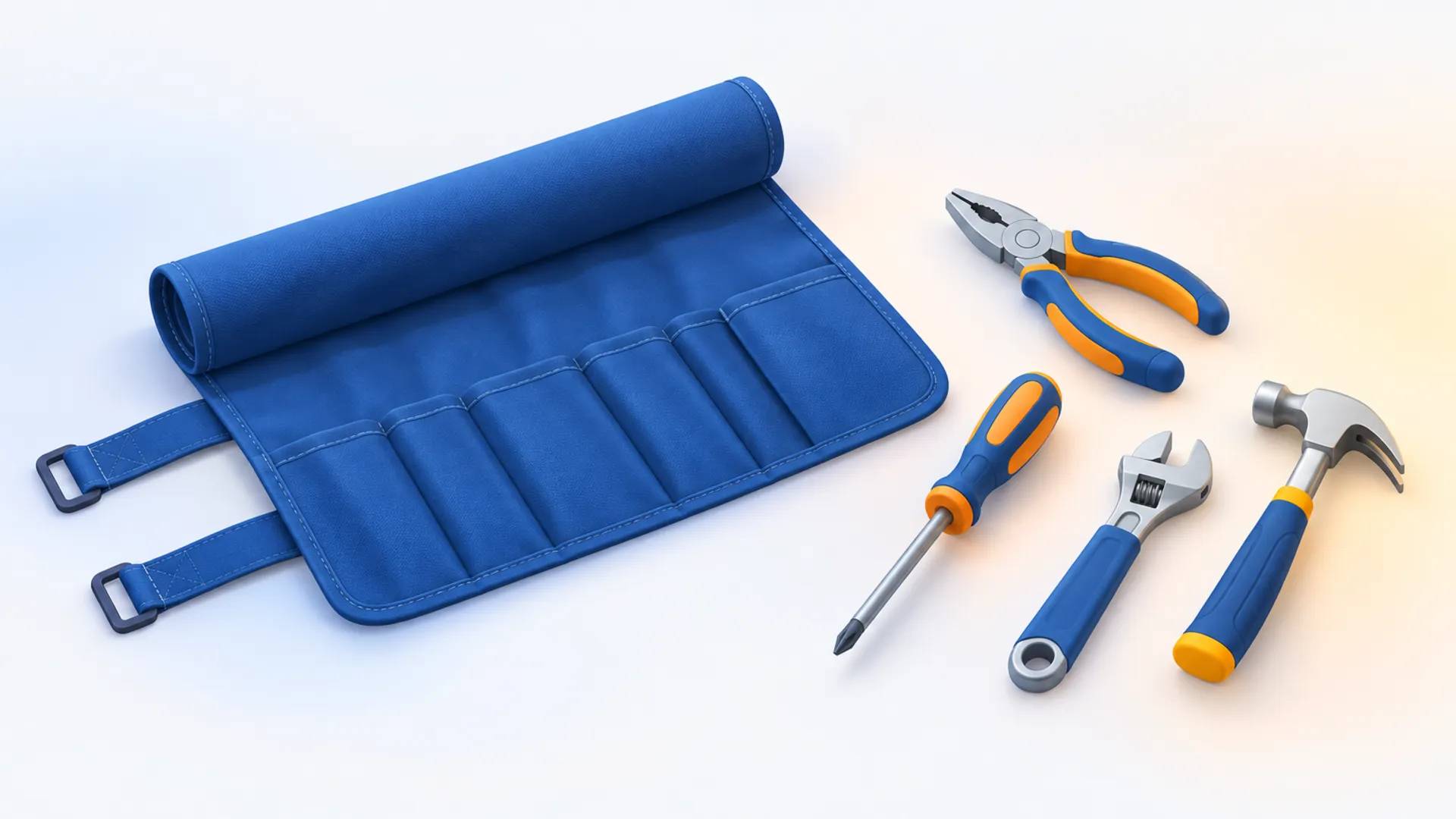
Breaking the sets apart: selling the one piece people came for
The brand sold hand tools only in sets, because sets look like better value. Shoppers were searching for one specific size, finding nothing, and buying a single competitor tool instead.

Conversion 4.2% → 8.7%
Competing with a free app that is already in the buyer's pocket
The brand's real competitor was not another laser measure. It was the measuring app every shopper already had, for free, and no listing in the category acknowledged it existed.
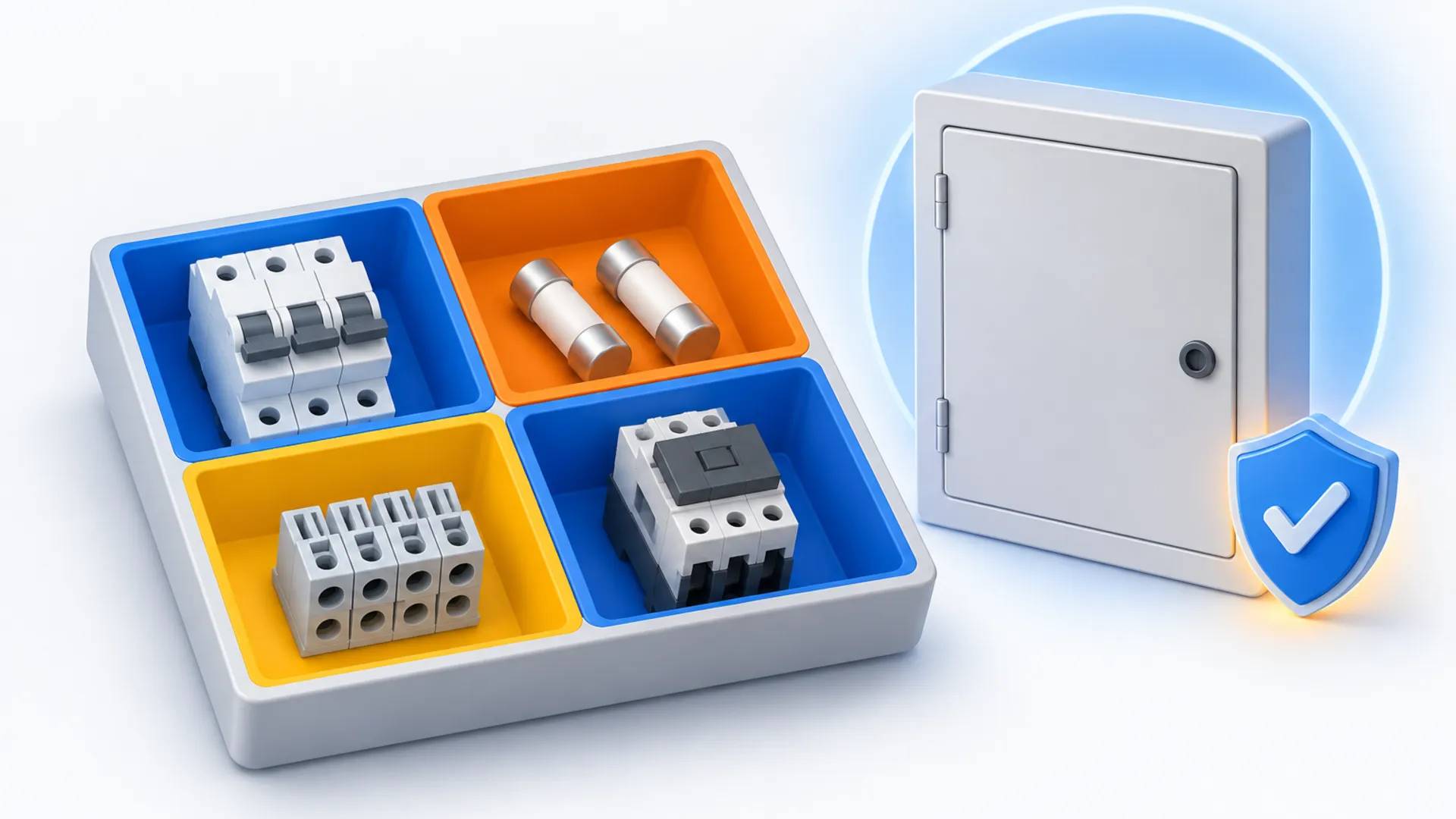
Units +186% with no delivery change
Losing the emergency on purpose and winning the spare instead
When a breaker trips for good, nobody waits for a delivery — they drive to the store. So the brand stopped competing for that moment and sold the part that gets bought before it is needed.
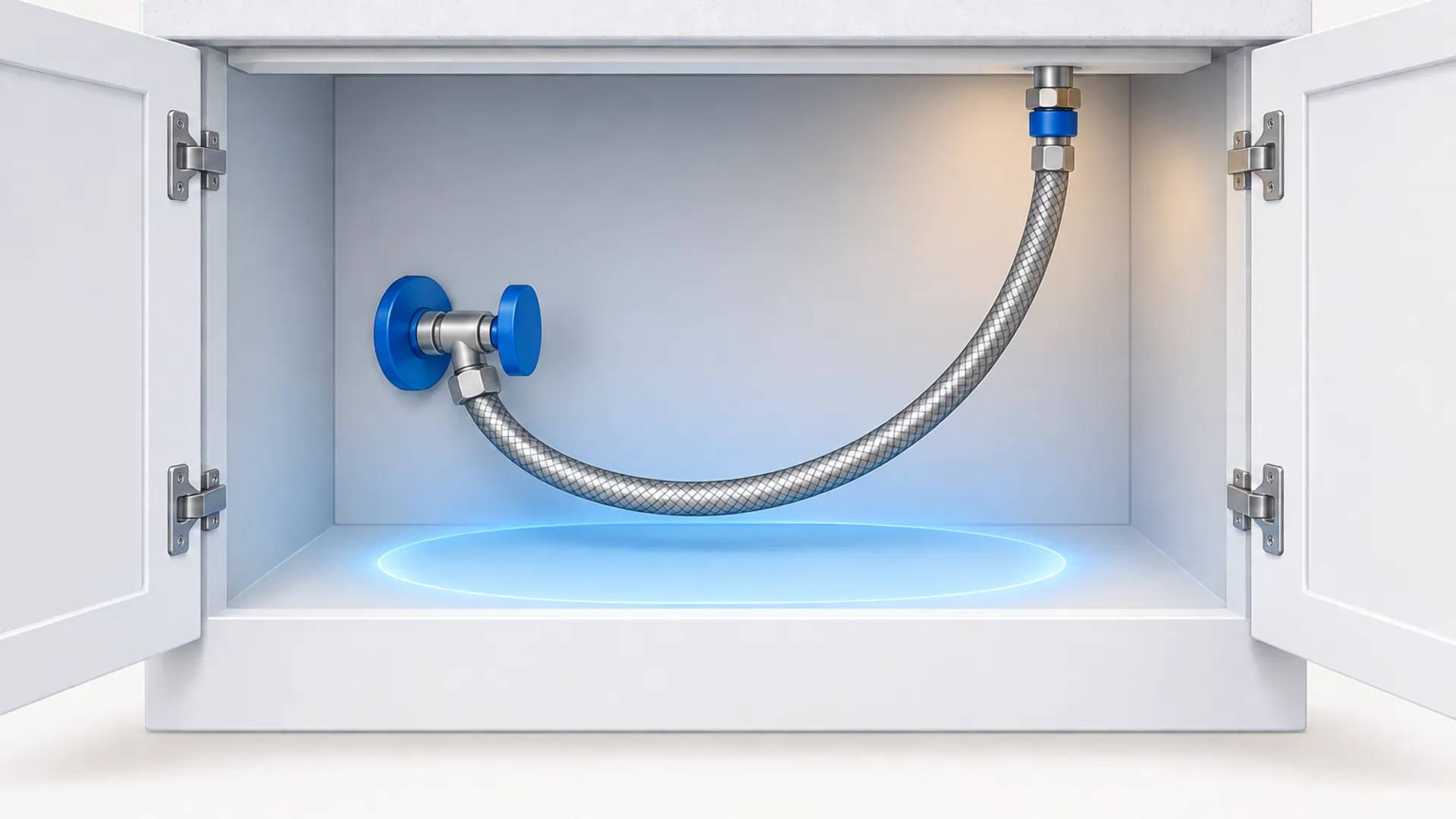
Conversion 6.4% → 10.5%
A $14 part that stands between a house and a flooded floor
The brand sold supply lines and shutoff valves on price, against competitors four dollars cheaper. The relevant number was never the price of the part — it was the cost of the part failing.
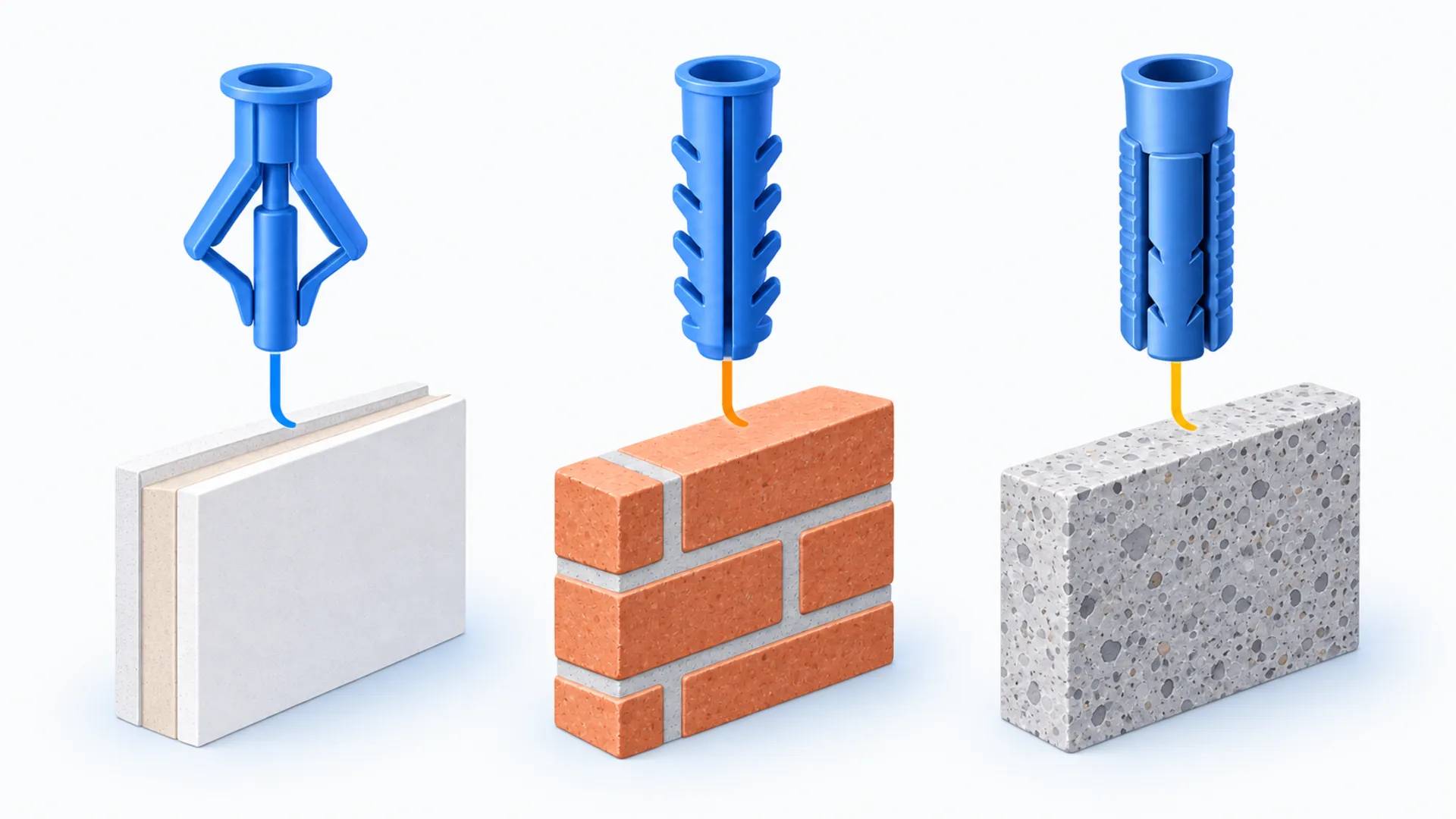
One-star reviews cut by 71%
The question the listing never asked: what are you drilling into?
Anchors that fail in concrete are not faulty anchors, they are the wrong ones. The brand's ratings were being set by a decision the shopper was never helped to make.

Units per order 1.2 → 3.4
Nobody needs one: selling the coverage a whole house requires
Safety devices are specified per room, per floor and per hallway, yet the brand sold them one at a time. Showing the shopper how many their home actually needs changed the order, not the offer.

Non-brand organic revenue +264%
When the category's head term is a competitor's brand name
Shoppers do not search for painter's tape, they search for a market leader's brand name used as a generic word. Growing without touching that term meant building demand on descriptors instead.
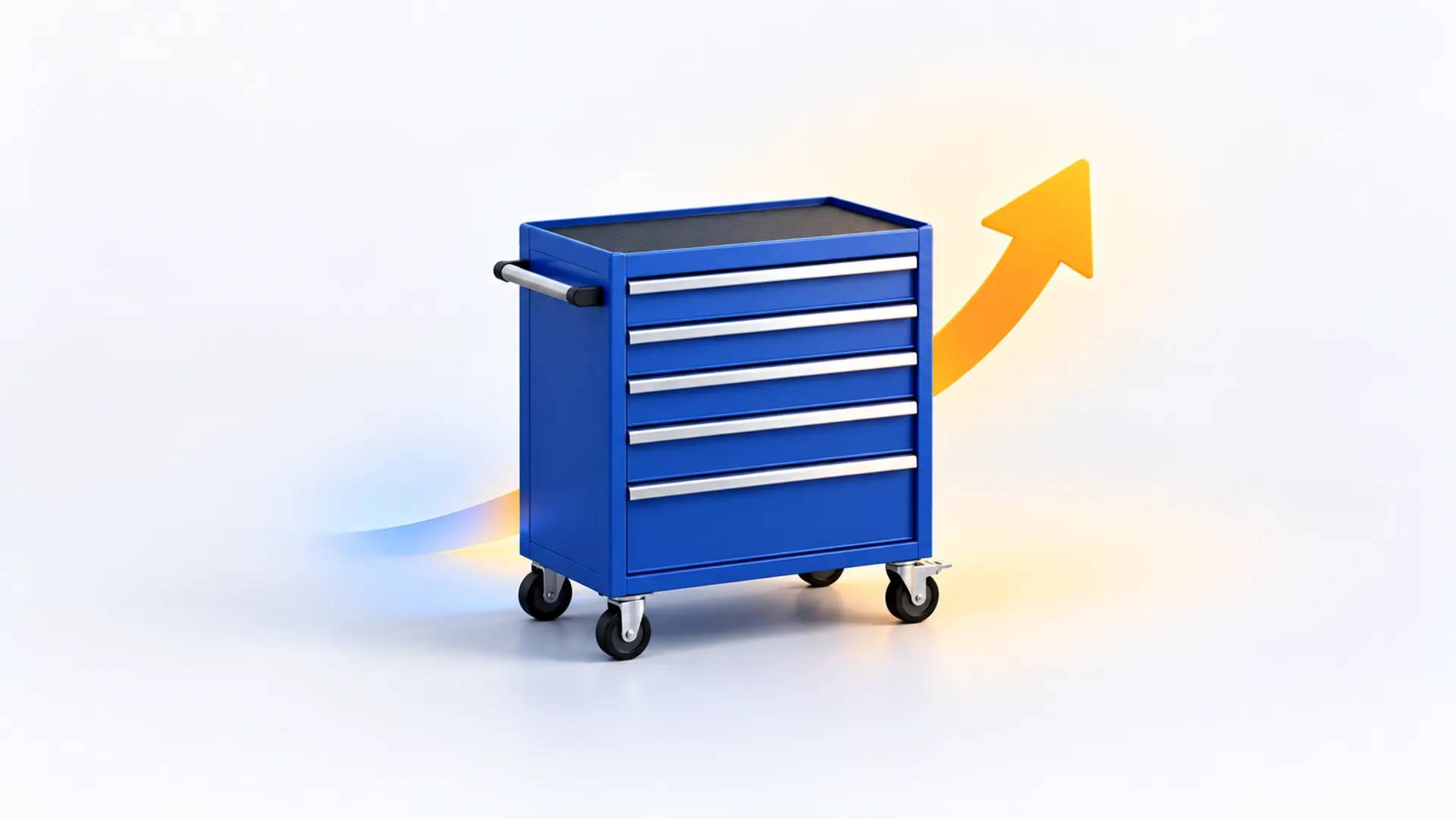
Profit per order +90%
A category with no second purchase needs a different arithmetic
Tool chests are bought once a decade. The account had been run on customer-lifetime logic that this catalog simply does not have, and it was quietly losing money on growth.
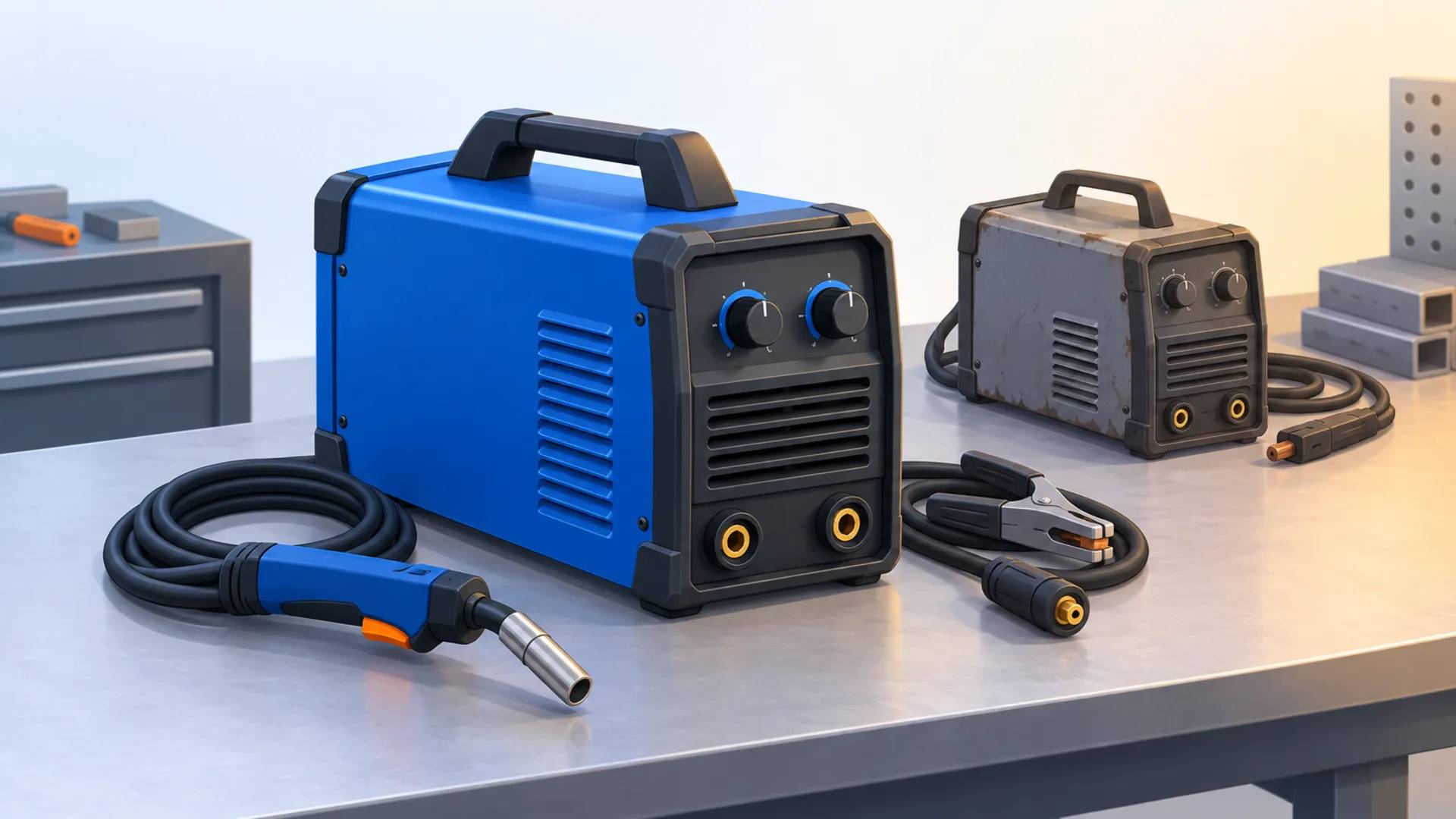
Upgrade segment = 44% of revenue
Selling to the person who already owns a cheap welder
The brand's machines were too serious for a first purchase and too affordable for a professional shop. The buyer who fit exactly was the hobbyist who had outgrown their starter machine — and nobody was talking to them.
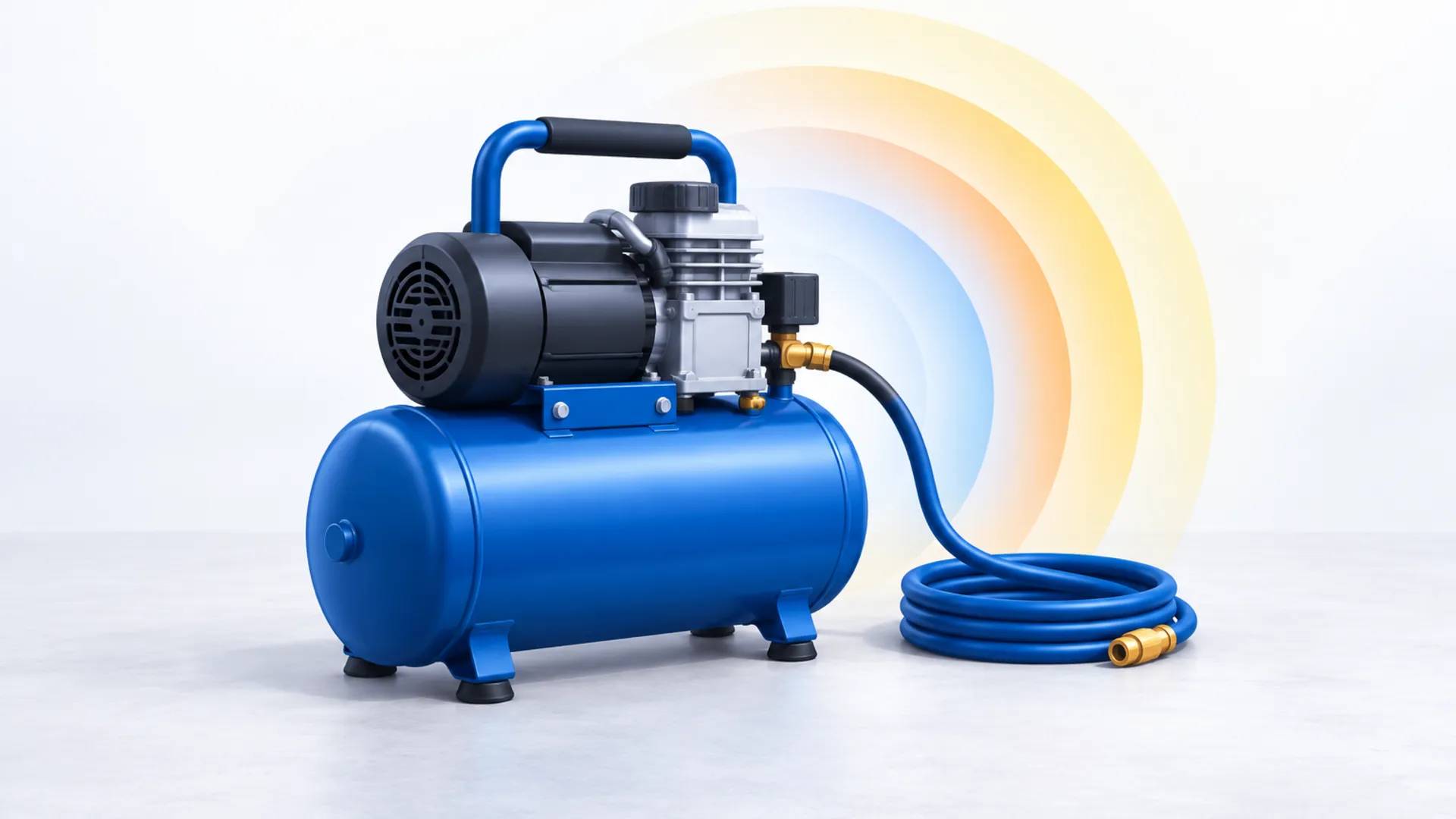
Conversion 5.3% → 9.1%
The category advertised power; the reviews were all about noise
Every compressor listing on page one led with pressure and tank size. Three thousand reviews across the category said buyers actually decide on something else entirely.
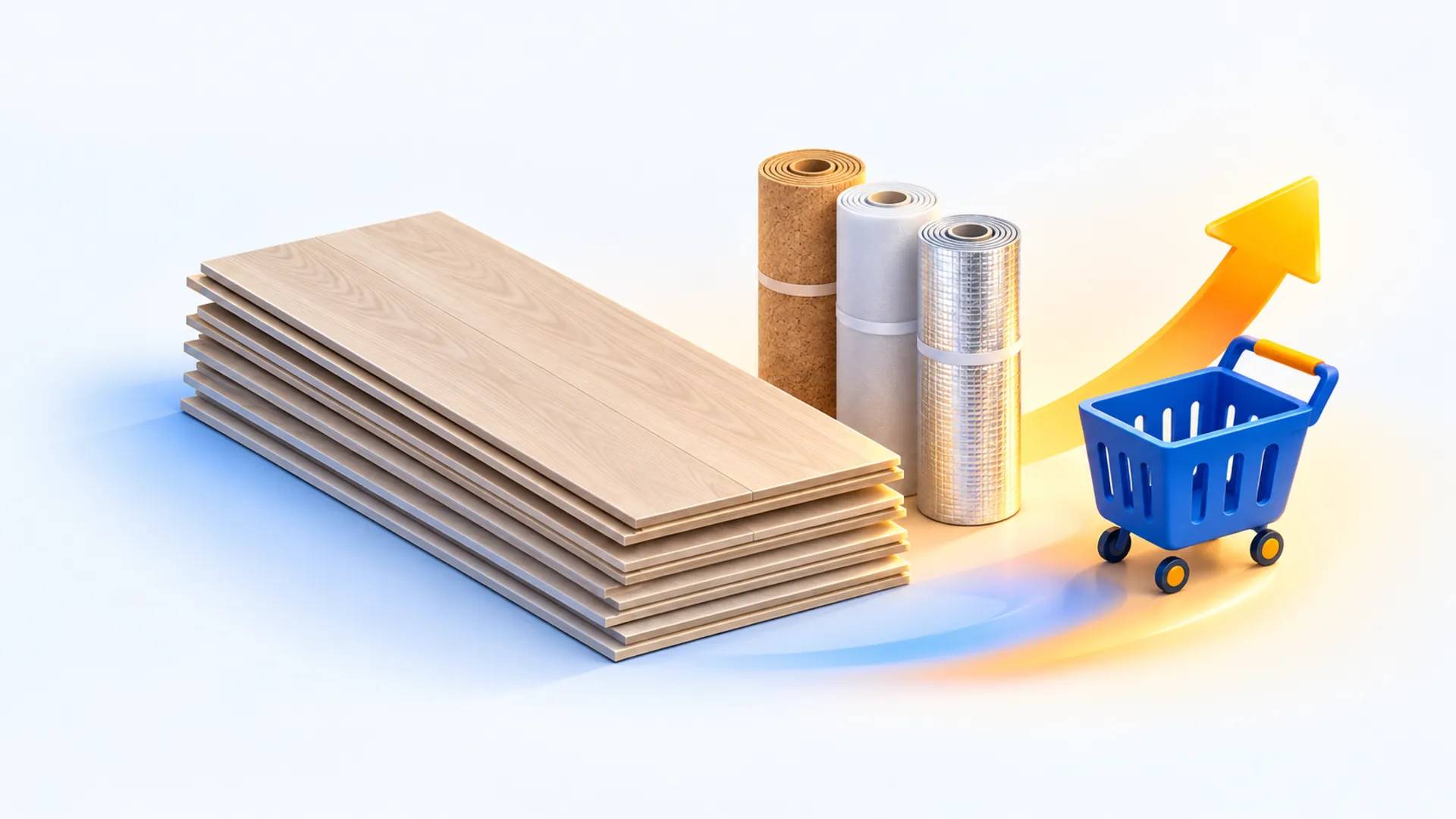
Order value $640 → $1,010
Naming the four things you also need before the floor arrives
A flooring brand sold the planks and stayed silent about the underlayment, moisture barrier, transition strips and expansion gap. Customers discovered them on installation day, and said so in reviews.
Ready to scale your Amazon brand?
Talk to a senior strategist and leave with a growth plan for your store — no obligation.