
Amazon Patio, Lawn & Garden Case Studies
Real campaigns we ran for patio, lawn & garden brands on Amazon — what was broken, what we changed and what it moved.

ACoS 31% → 20% on the same budget
The season starts in February in Arizona and in May in Minnesota
An outdoor living brand ran one national campaign calendar for a category whose season moves north across the map for fourteen weeks. Splitting the budget by region changed the economics without changing its size.

Contribution margin 6% → 22%
When the freight costs more than the planter: rebuilding oversize fulfillment
A garden products brand shipped raised beds and large planters through standard FBA and lost most of its margin to oversize fees. Splitting fulfillment by cubic dimension recovered it without giving up the Prime badge.
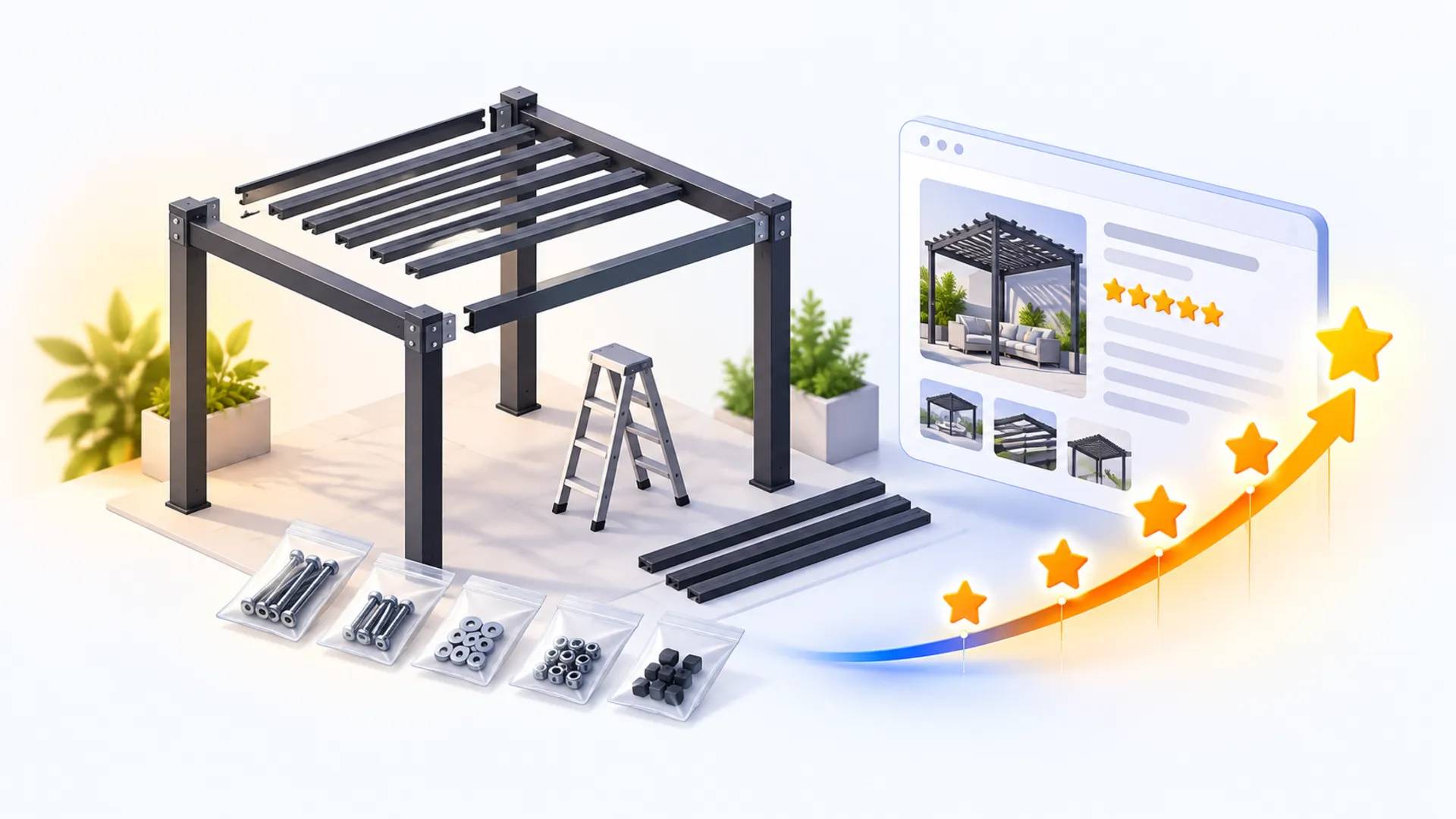
Rating 3.7 → 4.1
Half the one-star reviews were about the instructions, not the product
A brand selling gazebos and large furniture sets was being punished for a forty-page manual and a bag of unlabeled bolts. Fixing the assembly experience moved the rating faster than any product change could have.

34% of revenue from business buyers
The landscapers were already buying — nobody had priced for them
A grounds-maintenance supply brand sold to homeowners one unit at a time while landscaping crews quietly bought twenty at a time. Building a genuine business offer turned that accident into a channel.

Sessions 48k → 81k
Fescue and bermuda are two different products, and two different searches
A lawn care brand sold “lawn fertilizer” into a category where shoppers search by grass type and hardiness zone. Matching each product to the lawns it actually suits fixed both the ranking and the reviews.

Registration rate 8% → 34%
Catching the unhappy owner before the one-star review
A power equipment brand only met its customers when something went wrong and they wrote about it publicly. Making warranty registration effortless created a channel that reached them first.
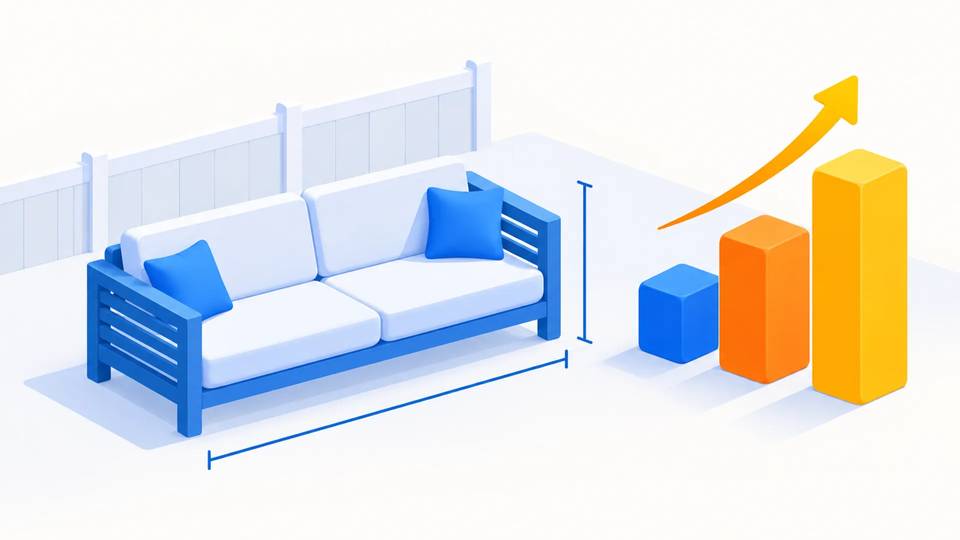
Conversion 4.8% → 8.1%
On a white backdrop, a six-seat sectional is the same size as a bistro set
A patio furniture brand photographed its sets on a seamless white backdrop, which made them look beautiful and unmeasurable. Shooting in ordinary backyards answered the question shoppers were actually asking.
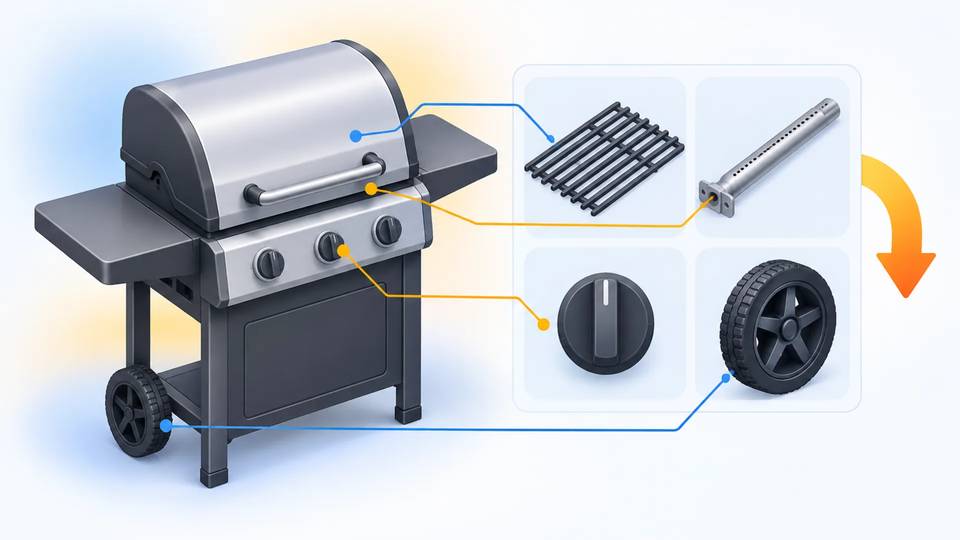
Wrong-fit returns 24% → 5%
Sixty-four parts, four hundred grill models, one lookup table
A brand selling covers, grates and burner parts across hundreds of grill models sold them as generic sizes. Building a real fitment database turned a guessing game into a search term.

Week-one rank #6 instead of #90+
Going live ten weeks before the container lands
An outdoor lighting brand launched new products the week the container landed, into a season that was already half over. A seed shipment ten weeks early meant week one of the season started on page one.
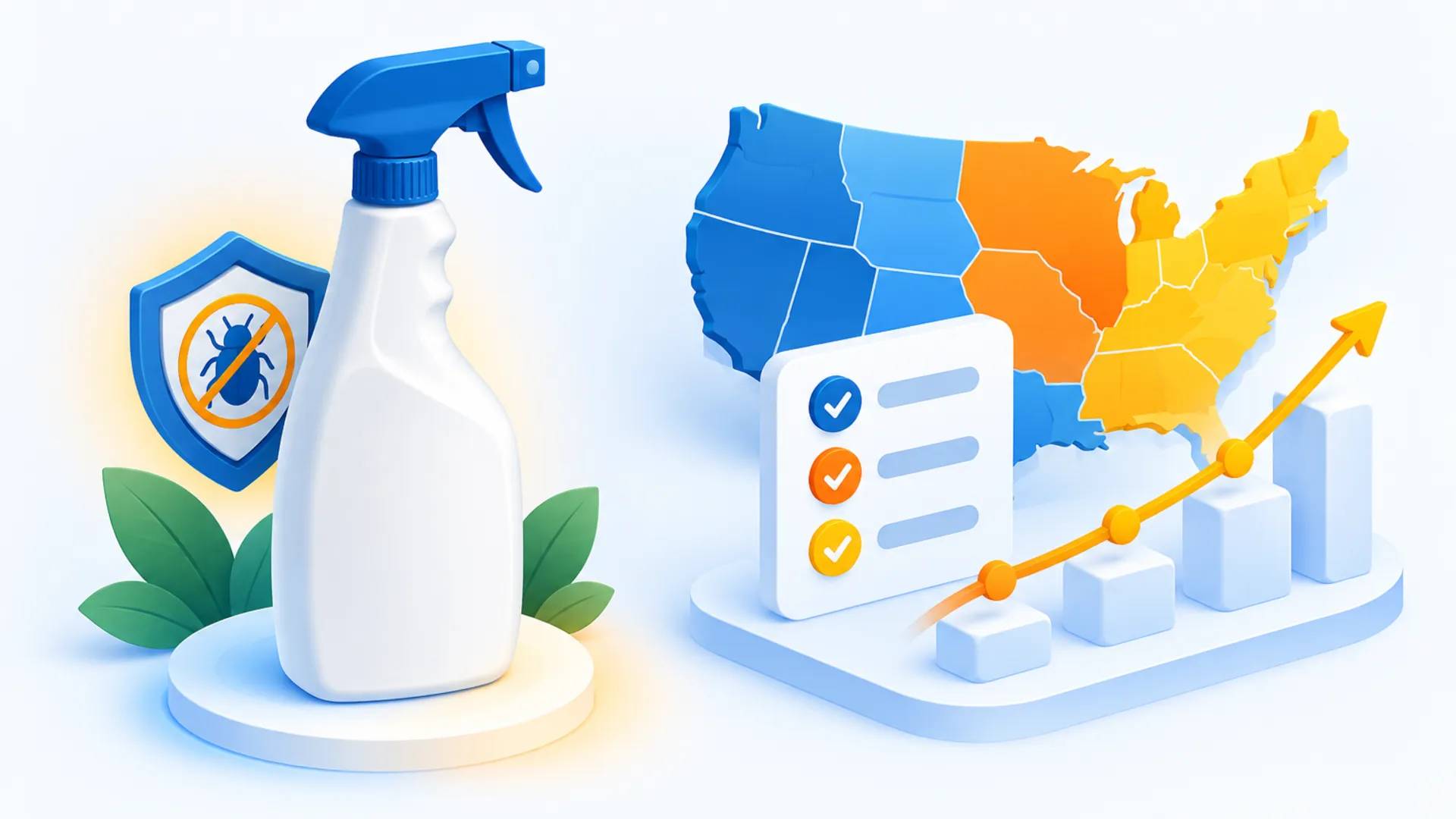
Suppressed ASIN-days down 96%
Selling a regulated product in fifty different legal markets
A pest control brand kept losing listings to state registration rules it discovered only after a takedown. Mapping the catalog against state-level restrictions ended the suppressions and opened states it had abandoned.

Repeat rate 19% → 52%
Shoppers didn't need a chemical, they needed to know which one
A pool chemical brand sold eleven products to people who could not tell which of them solved their problem. A diagnostic path from symptom to product changed the catalog from a shelf into a system.

In-season ACoS 38% → 17%
Bidding on the forecast, not on the calendar
Snow removal demand does not arrive in December — it arrives seventy-two hours before a storm, in the specific places the storm is going to hit. Tying bids to forecasts rather than months rewrote the account's economics.
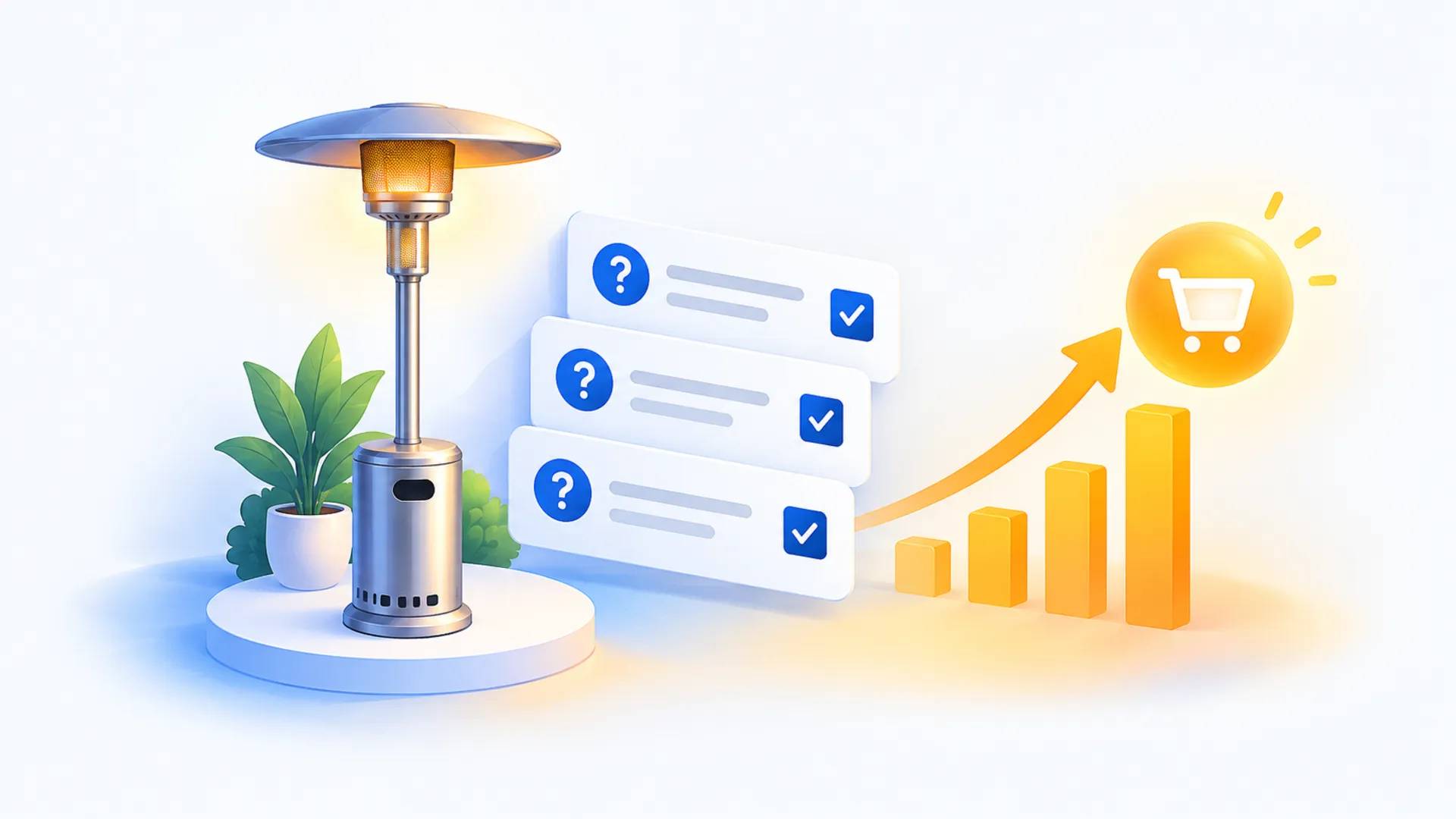
Conversion 3.9% → 7.2%
The questions section was the second product page, and nobody was writing it
Shoppers comparing $400 patio heaters skip the bullets and read the customer questions. The brand's questions were being answered by strangers, incorrectly, and left standing for years.
Ready to scale your Amazon brand?
Talk to a senior strategist and leave with a growth plan for your store — no obligation.