

Amazon Marketing Cloud: What Brands Actually Get From It
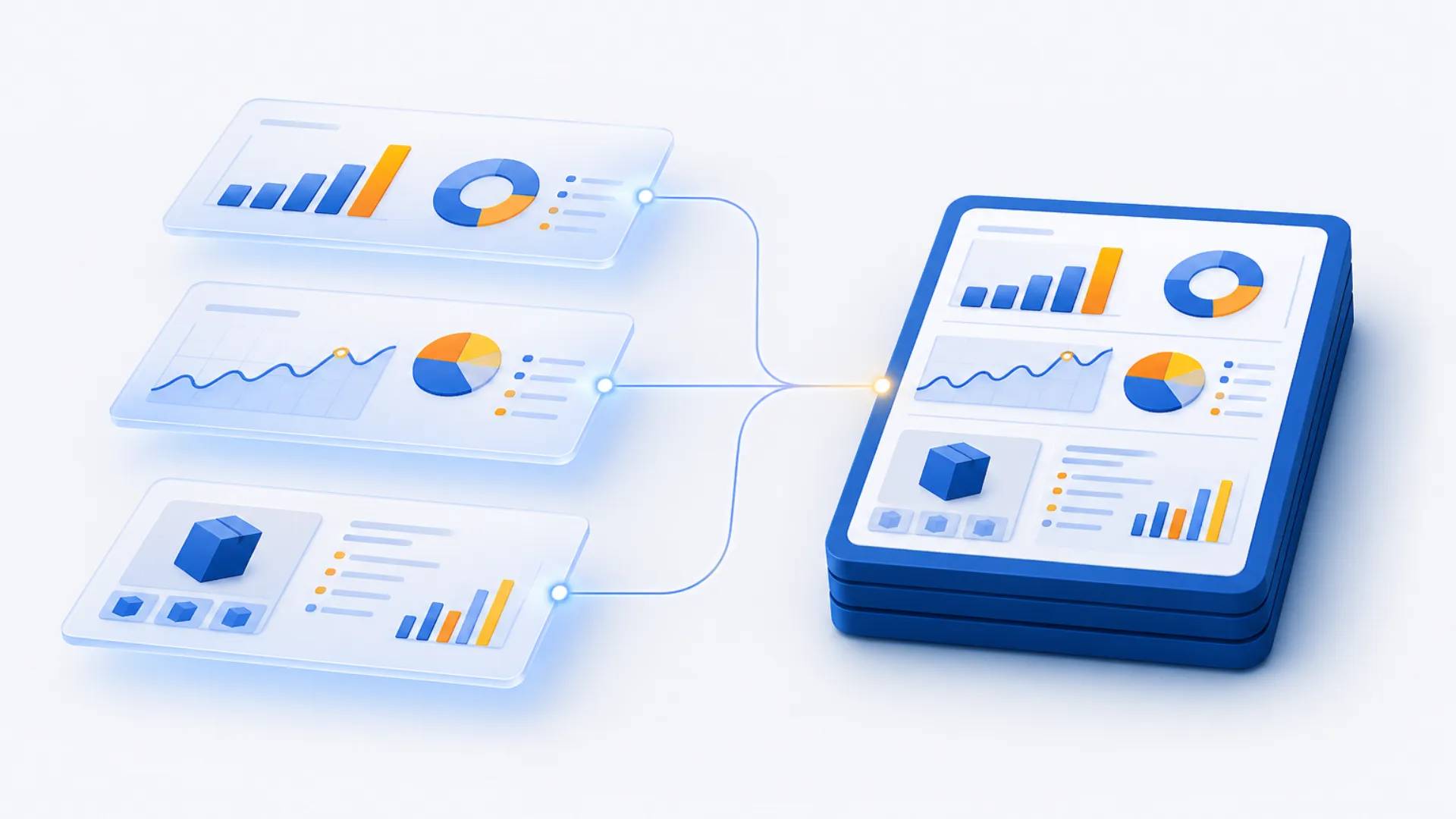
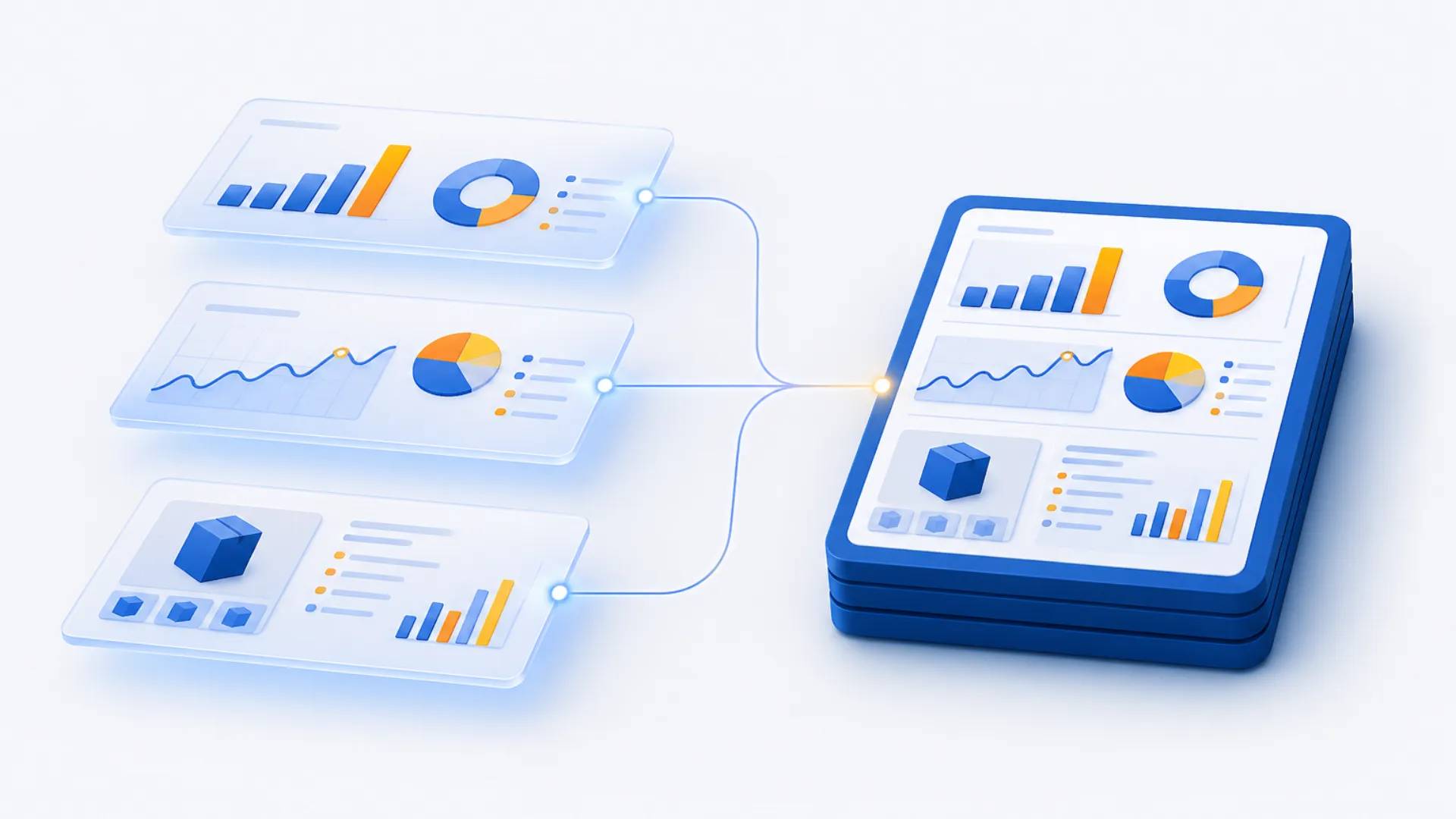
AMC is a database, not a dashboard — it answers the questions you know how to ask. What brands actually get from the clean room, and what it can never tell you.
Playbooks and tactics on advertising, listings and retail strategy — straight from our team.
AMC is a database, not a dashboard — it answers the questions you know how to ask. What brands actually get from the clean room, and what it can never tell you.
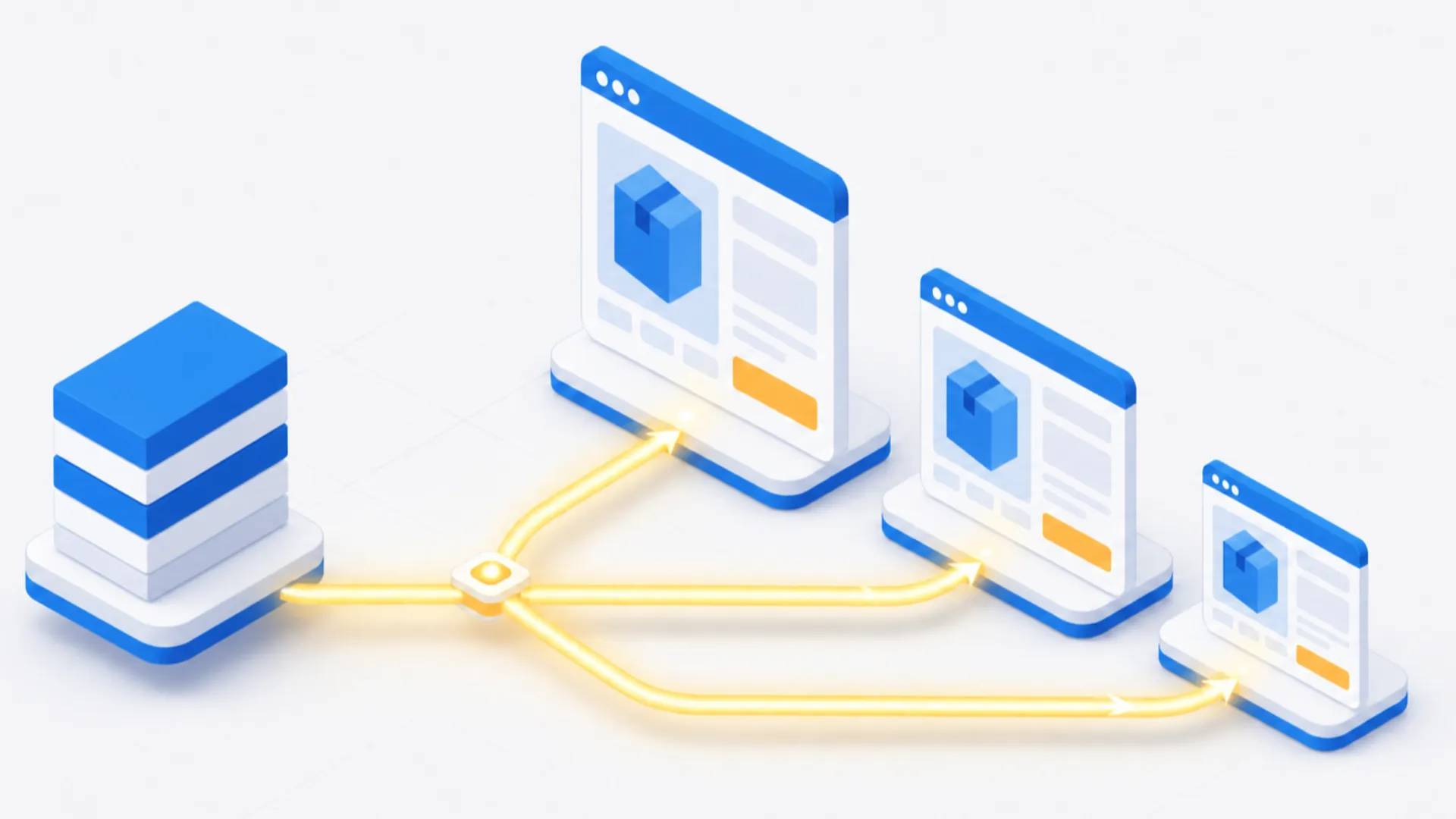
All three formats run from the same budget and two are gated behind Brand Registry. What each one is actually for, and what share it earns at your account stage.

In-market, lifestyle, remarketing, lookalikes, AMC — the taxonomy is flat but performance is not. A ranked view of which DSP audiences deserve your budget first.

Q4 is three trading periods, not one push. What to do in October, how to stage budget over Black Friday weekend, and why December pays better than most brands assume.
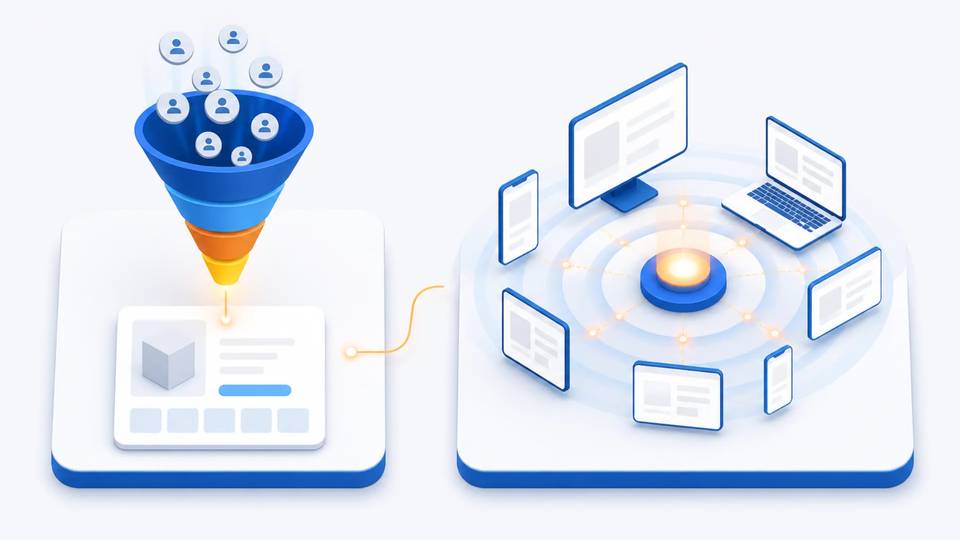
Sponsored ads harvest demand that already exists; DSP creates and re-engages it. A side-by-side comparison, plus the account stage at which DSP starts to pay.
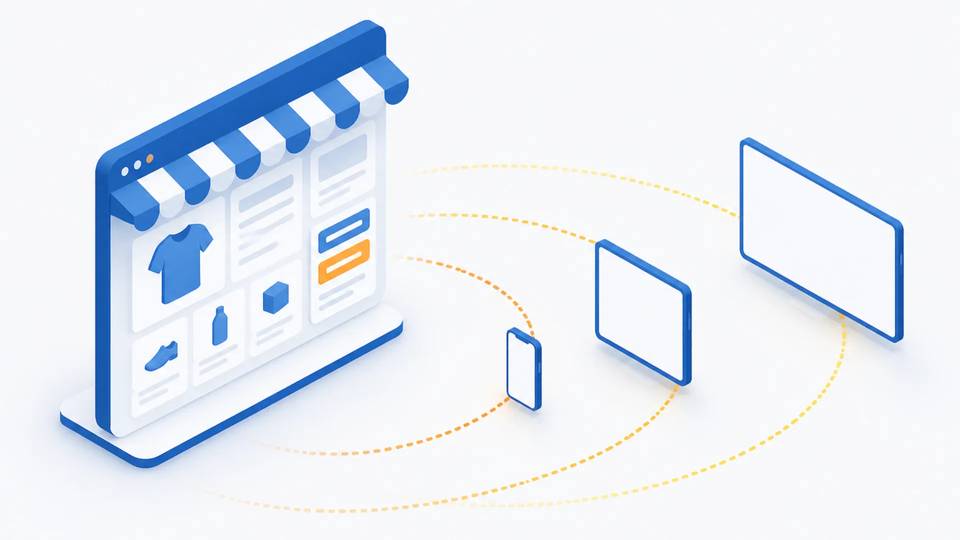
Amazon DSP buys audiences, not keywords — across Prime Video, Fire TV, Twitch and the open web. Here is what it actually does, what it costs, and when it is too early.
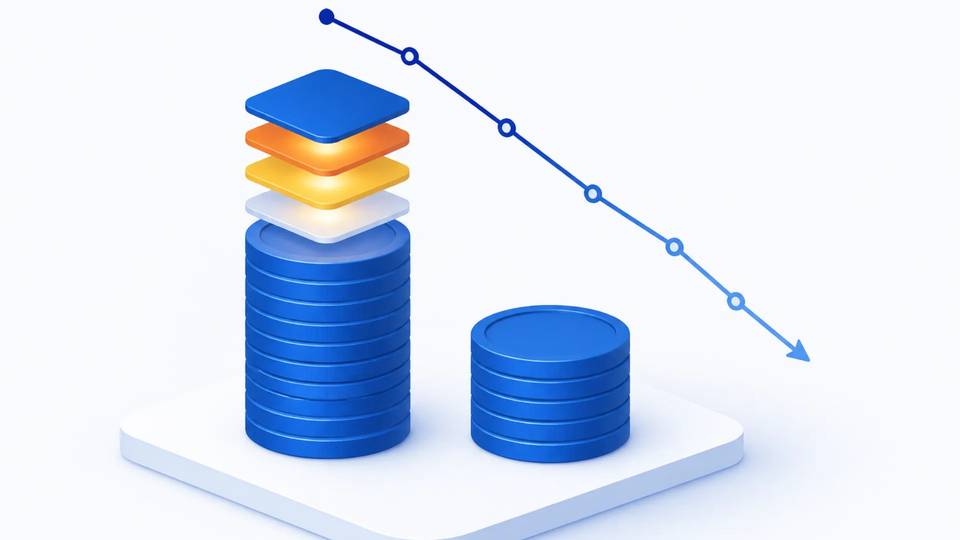
The full fee stack between the price a customer pays and the money that reaches your account, and how to turn it into contribution margin and a break-even ACoS.
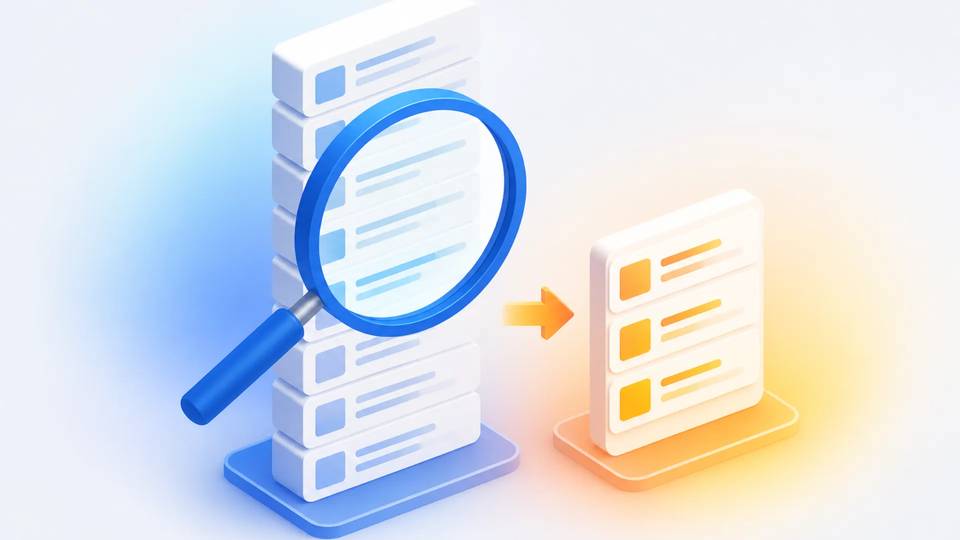
Where Amazon keywords actually come from, how to rank them on relevance, volume and conversion likelihood, and why the same list is deployed differently in the listing and in ads.

Platform-average CPC is a bad planning number. Here are the sourced 2026 benchmarks, and the arithmetic that turns them into a budget floor for your catalog.
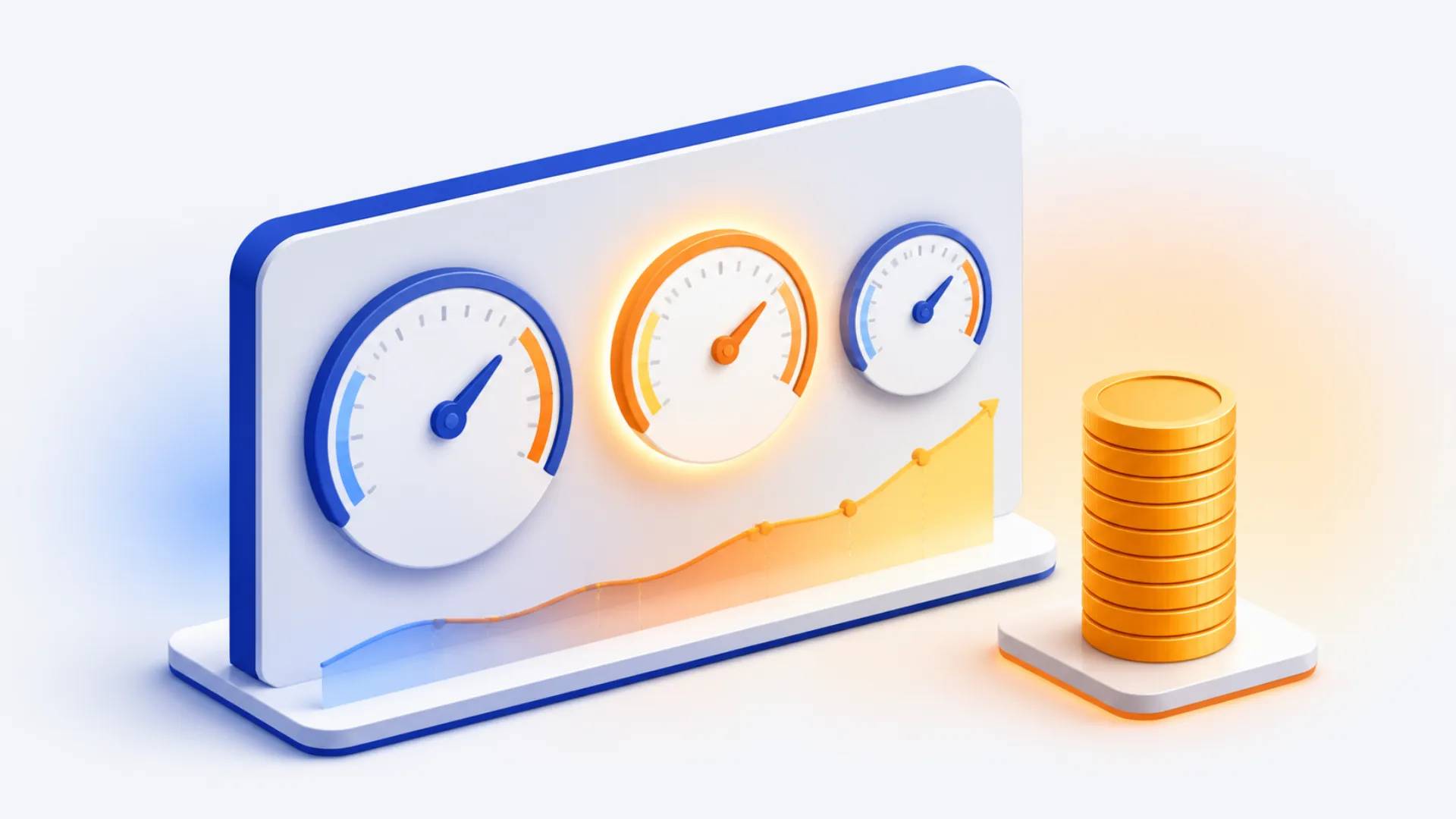
ACoS and ROAS are the same number inverted; TACoS asks a different question entirely. A comparison table and the decision each metric is actually built for.
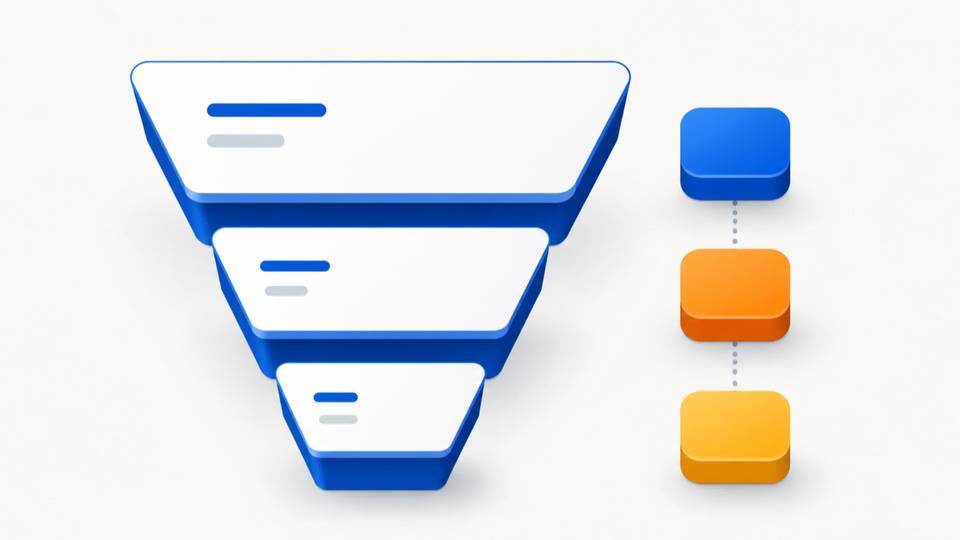
The campaign architecture that stops budget colliding with itself: brand split from non-brand, a one-way discovery-to-performance flow, and naming that survives 300 campaigns.
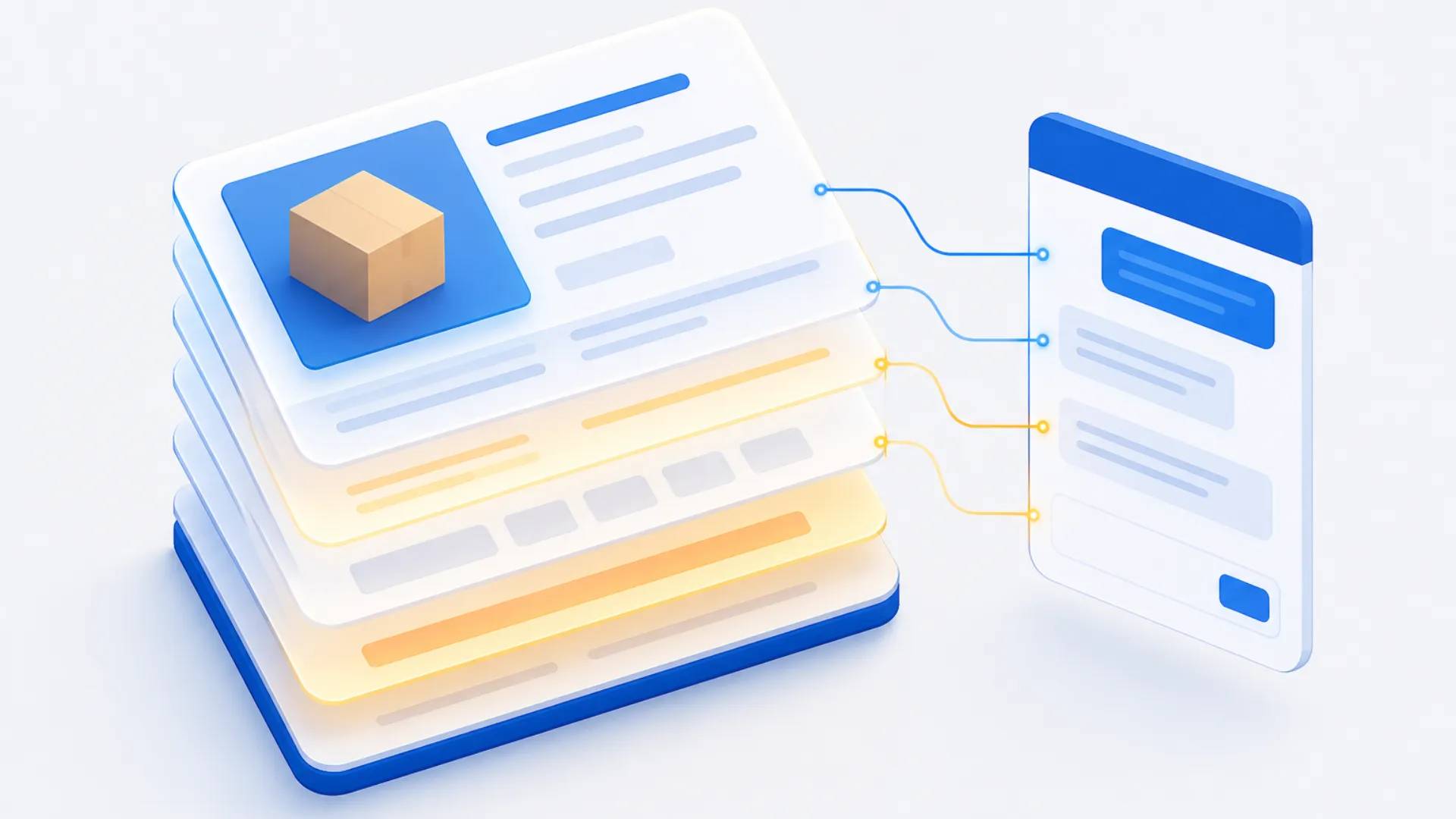
Twelve concrete changes that make a listing quotable by Amazon's AI assistant, field by field, with the do-this-not-that version of each.

Revenue on Amazon comes from six levers, and a stalled account is usually stuck on two of them. A diagnostic walk through all six, with what to check first in your own data.
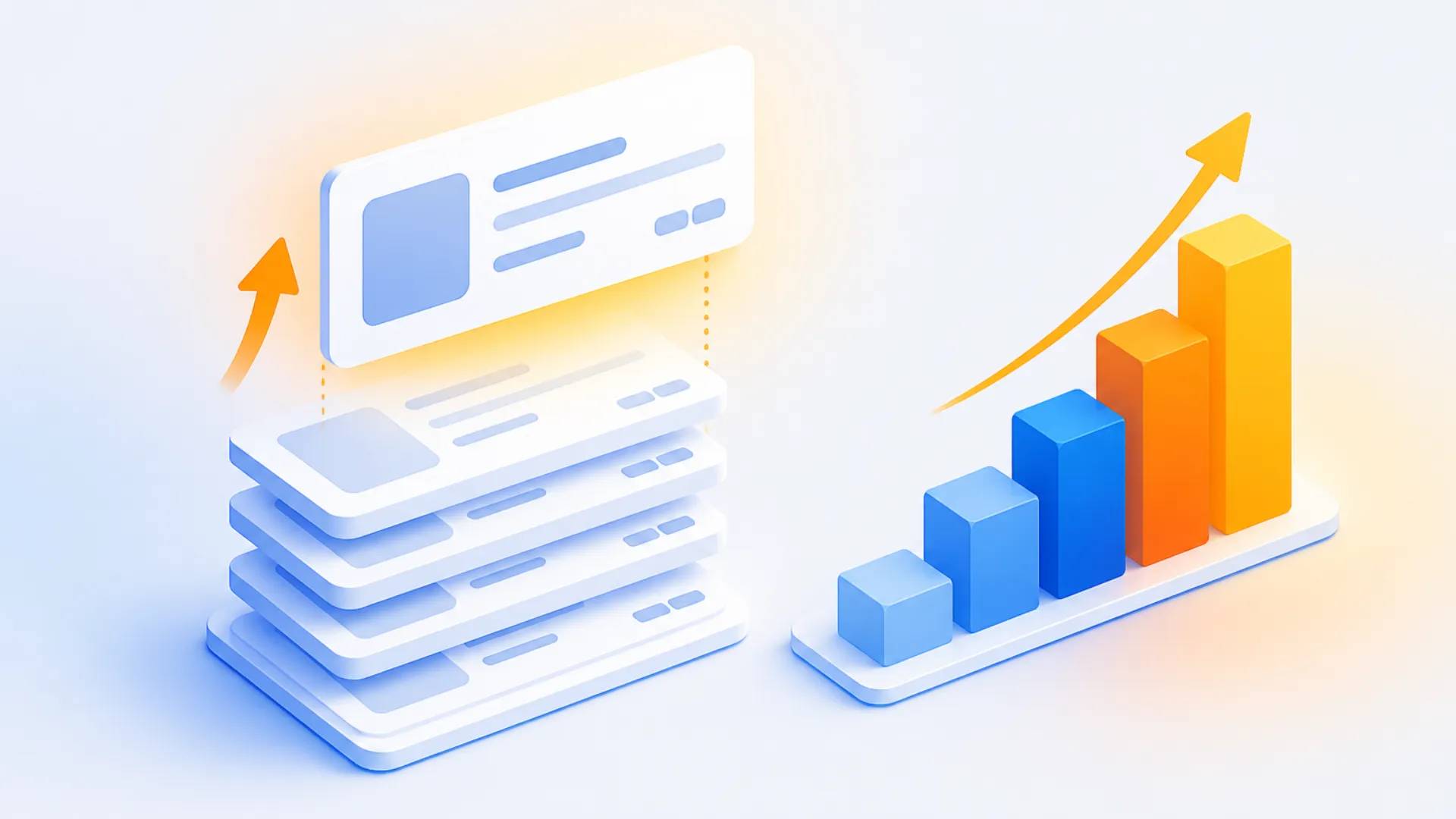
Indexation, relevance and performance are three separate gates — and most listing work fails at the wrong one. A practitioner's model of how Amazon ranking really behaves.
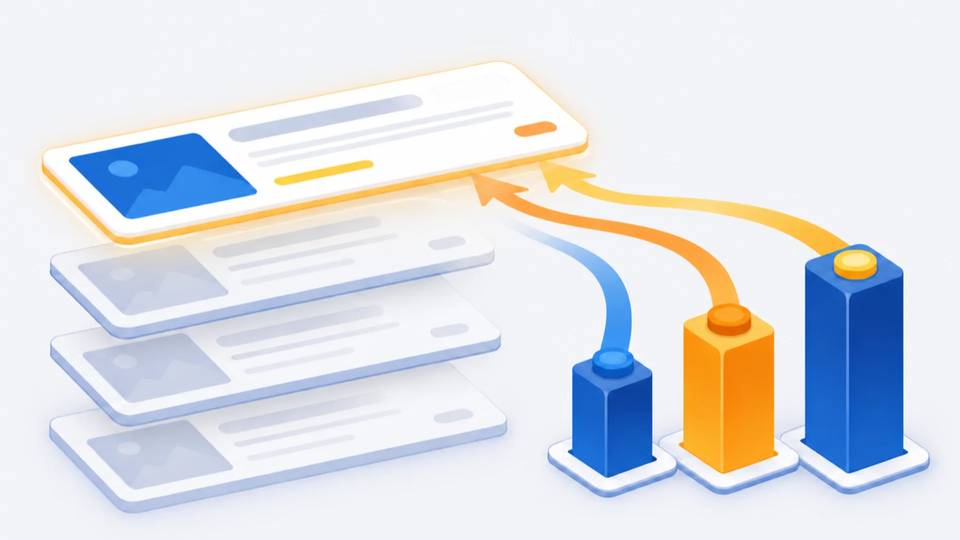
The auction mechanics, ad formats, targeting and reports behind Amazon PPC, written for brand owners who already spend real money on ads.

ACoS grades your campaigns. TACoS grades the business behind them: total ad spend against total revenue, including the organic sales your ads helped create.

ACoS is only meaningful next to your margin. The formula, a break-even ACoS worked from real unit economics, category benchmarks, and the misreadings that cost money.
Amazon's AI shopping assistant now lives in the search bar, reads your listing as a source document and carries ads. How it works, and what it changes for brands.
Talk to a senior strategist and leave with a growth plan for your store — no obligation.