
The buyer was not a child — and had not been for thirty years
Average order value $34 → $58
A retro handheld brand marketed to parents buying gifts for kids. Its actual buyers were adults in their late thirties buying for themselves, and every piece of content was aimed at the wrong person.
At a glance
- Category
- Retro & Handheld Gaming
- Marketplaces
- US
- Revenue at start
- $76k / month
- Assumed buyer
- Parents buying gifts for children
- Engagement
- Creative & content + DSP
- Timeframe
- 10 months
Results
The challenge
Everything about the brand's presentation assumed a child: bright packaging shots, copy about hours of fun, a price held low because toys are bought on price. The evidence said something else entirely. The review text, the pre-purchase questions and the brand's own off-Amazon customer list were overwhelmingly adults buying for themselves, and their reviews were not about fun — they were about whether the device faithfully reproduced something they remembered from their own childhood.
The mismatch was expensive in both directions. Adults arriving on a listing pitched at children discounted the product as a toy and bought the cheapest variant, which is why the average order was $34. And the reviews suffered for the same reason: an adult with precise expectations about accuracy and build quality, sold a product framed as a stocking filler, is a reviewer who feels slightly cheated.$
Our approach
We stopped selling a toy and started selling a piece of someone's own history back to them.
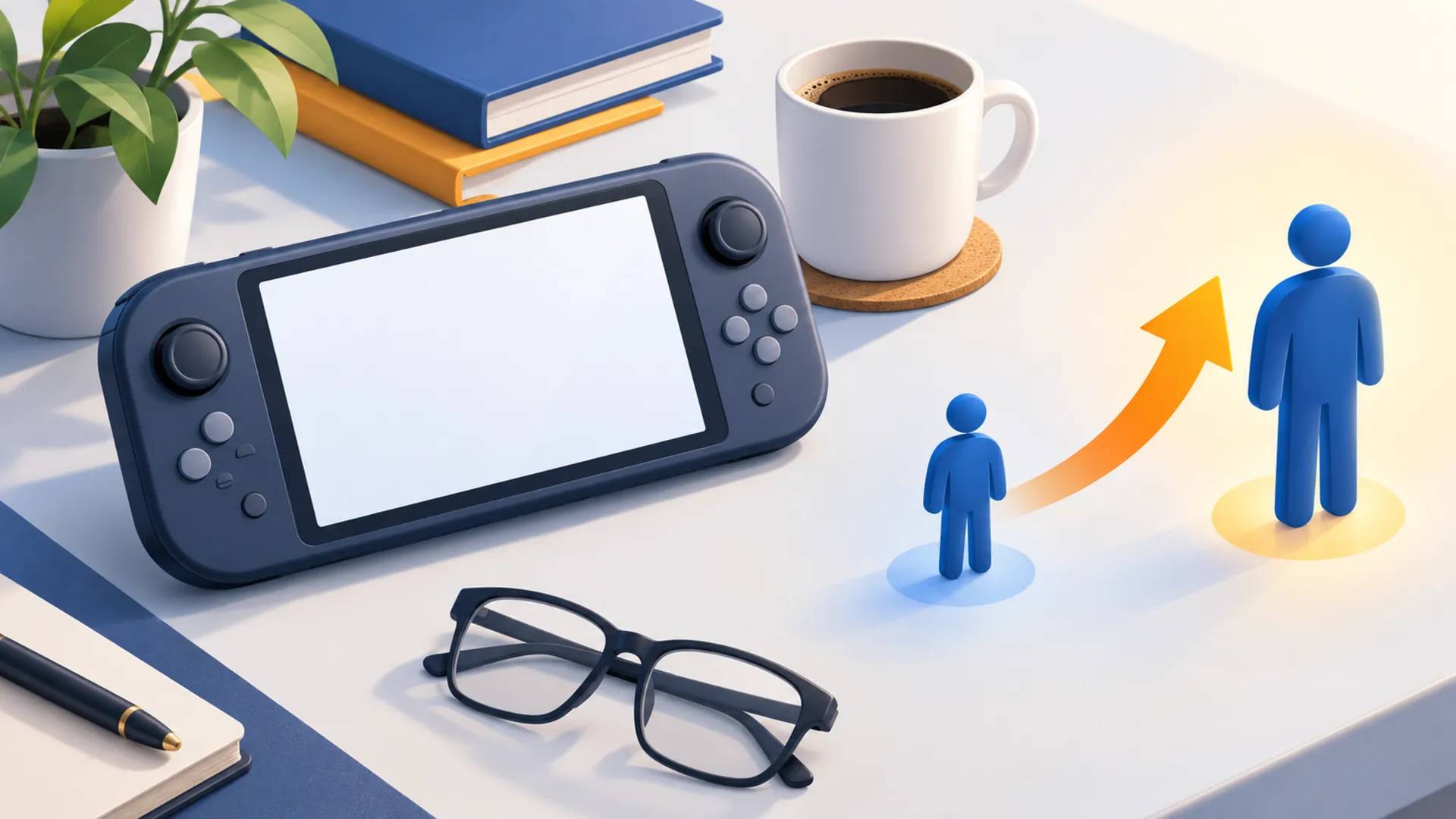
- Photography moved to an adult context — a desk, a shelf, a living room — because the first frame decides who thinks a product is meant for them.
- Copy written to the specifics that matter to this buyer: display accuracy, control feel, build materials, and what exactly is faithful to the original.
- The higher-specification variant promoted as the hero, since an adult buying for themselves will pay for the better version and was never shown it.
- DSP audiences built around adult collector and nostalgia interests rather than the toy and gift segments the account had been buying.
Inside the ad account
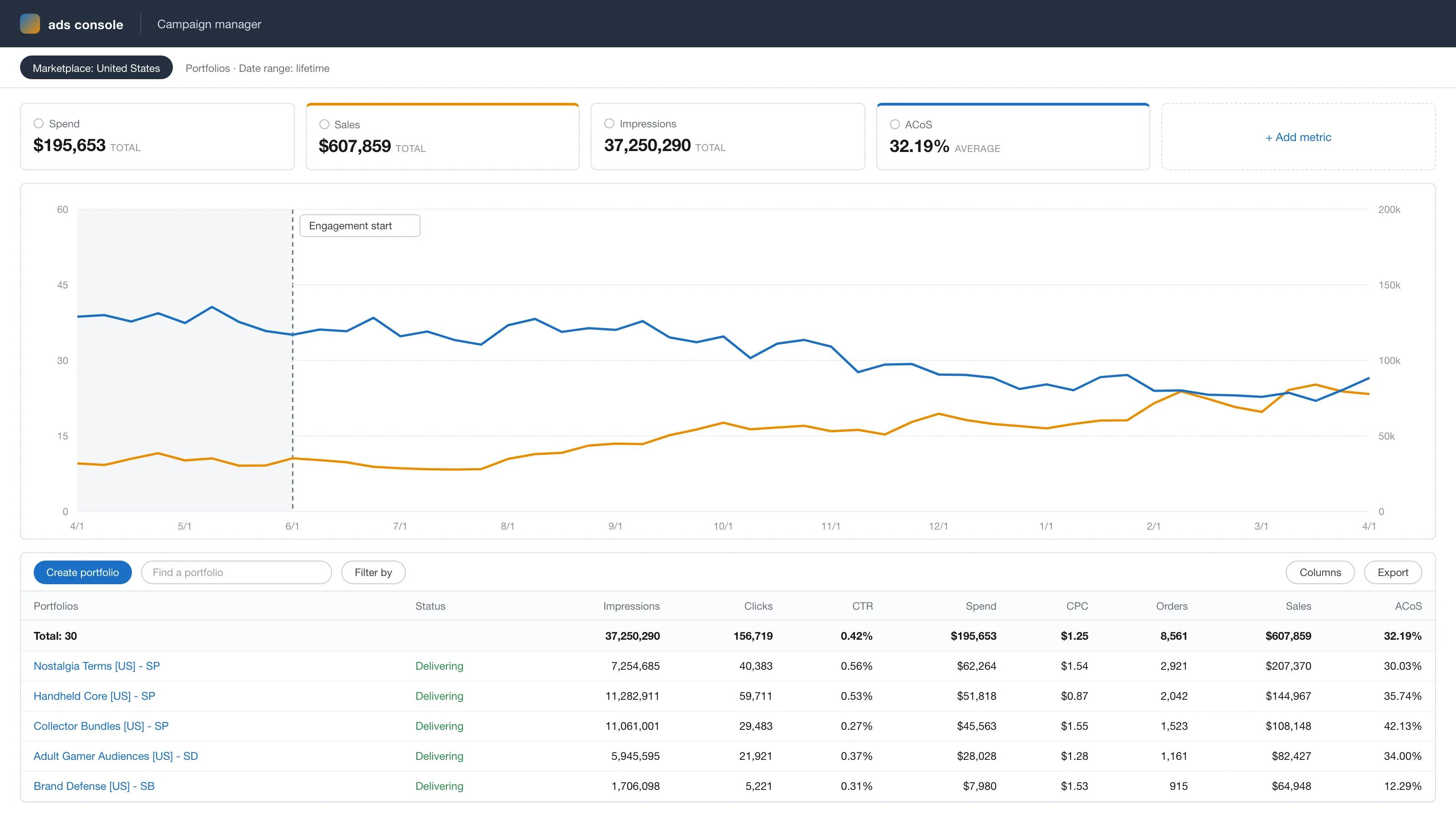
Anonymized account view, rebuilt from the figures reported above: ad sales growing from $34k to $75k a month while ACoS falls from 36% to 23% across the 10-month engagement.
The results
Average order value went from $34 to $58 — the same catalog, with the buyer now shown the version actually made for them — and revenue grew 118%.
Conversion rose 28% because an adult who recognizes themselves on the page does not have to talk themselves past the framing first. The rating climbed from 4.0 to 4.5 for the same reason the order value did: expectations set by content aimed at the real buyer are expectations the product can meet.
“We spent four years talking to parents about their kids. Our customers were the kids, and they're forty now with their own money.”
Services we delivered
Related case studies




Ready to scale your Amazon brand?
Talk to a senior strategist and leave with a growth plan for your store — no obligation.