
Selling to the shopper who is afraid of the installation, not the price
Conversion 4.6% → 7.2%
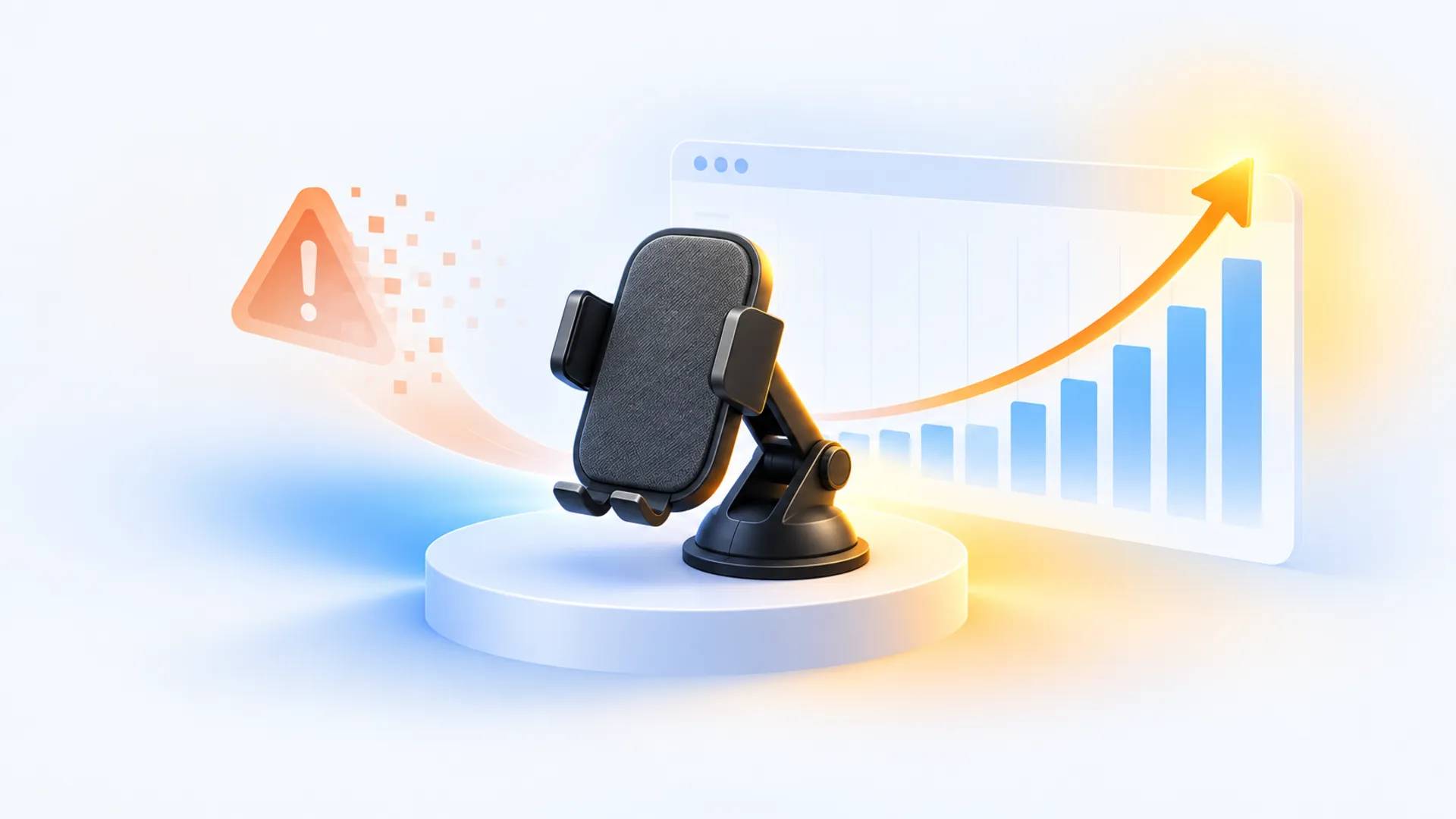
An automotive brand's catalog converted badly on products that were simple to fit and well on products that were hard. The listings never said which was which, so shoppers assumed the worst.
At a glance
- Category
- Automotive
- Marketplaces
- US, CA
- Revenue at start
- $412k / month
- Catalog
- 180 SKUs, 60% owner-installable
- Engagement
- Creative & content + listing SEO
- Timeframe
- 11 months
Results
The challenge
Read the brand's reviews and one sentence appears over and over: “Easier than I expected.” Read the pre-purchase questions and the same fear appears in a hundred forms: do I need a lift, do I need to drill, will I have to pay a shop.
That gap was costing the account a large share of its traffic. The shopper cannot see the back of the part in the photograph, so they price in a worst case — a two-hour job and a $180 labor bill — and abandon. Perversely, the products that lost the most sales were the easiest ones: a ten-minute clip-in accessory and a job that genuinely requires a workshop looked identical on the page, so both were judged as if they required the workshop.$
Our approach
We made the installation as visible as the price.
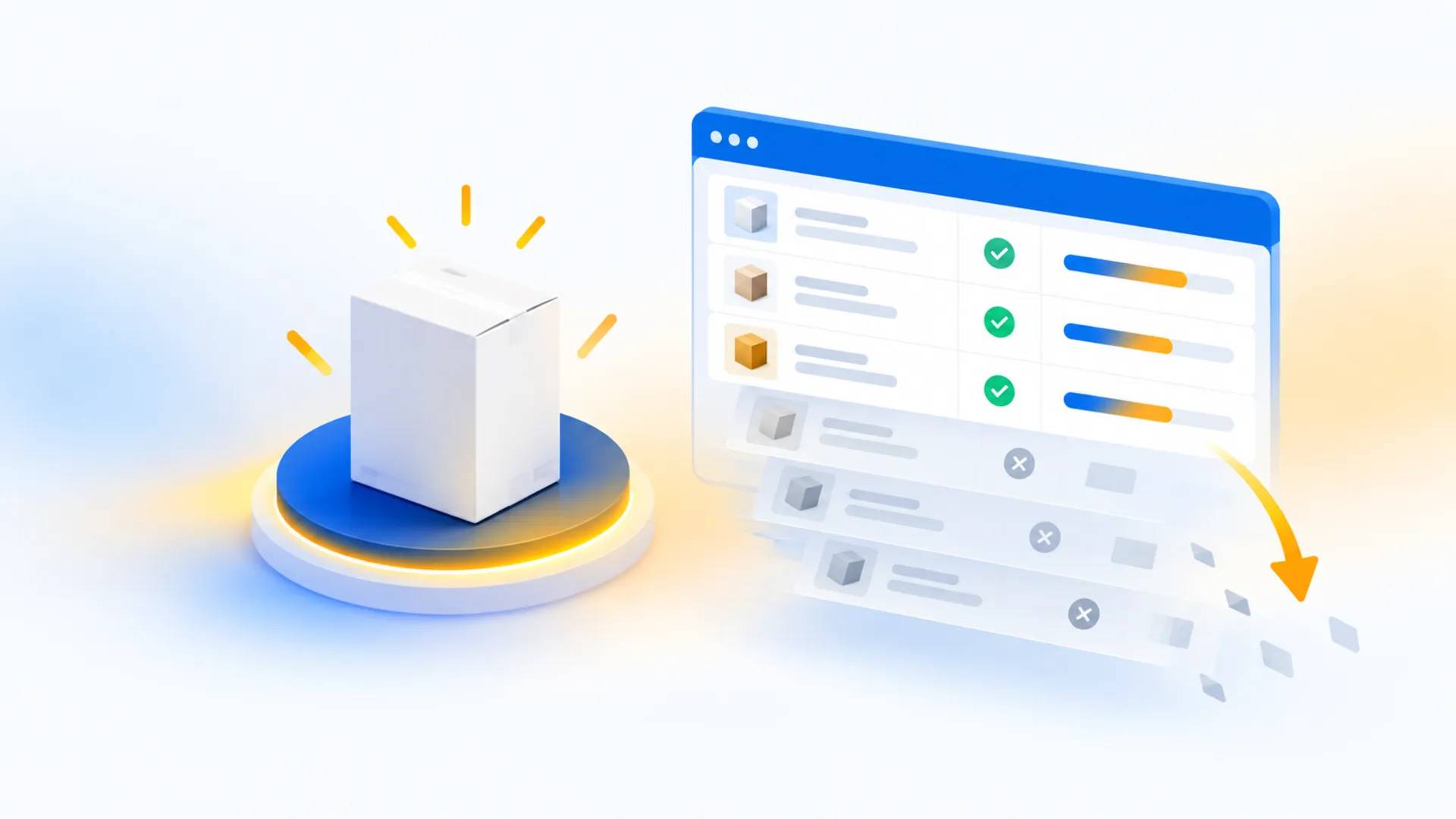
- A three-tier difficulty system applied to all 180 SKUs — clip-in, basic hand tools, workshop recommended — assessed honestly rather than optimistically.
- A tools-needed frame in every image stack, showing the exact tools laid out, so the shopper checks their own drawer instead of guessing.
- Real install time from real fitters — each product timed by two people who had never fitted it before, and the slower number published.
- Difficulty language in the copy and search terms, since “no drilling required” and “tool-free” are searched in volume and the brand ranked for neither.
How we worked
- 1
Objection mining
Four years of questions, reviews and returns coded; installation anxiety appeared in 41% of pre-purchase questions.
- 2
Honest tiering
Every SKU fitted by two non-specialists and assigned a tier from the slower attempt, not the engineer's estimate.
- 3
Image stack rebuild
A tools frame and a time frame added to all listings in the two easier tiers first, where the upside was largest.
- 4
Copy and keywords
Tool-free and no-drill terms worked into titles and backend for the products that legitimately qualify.
- 5
Honesty test
Workshop-tier products labeled as such and tracked separately — conversion fell slightly, returns fell further, and the trade was kept.
Inside the ad account
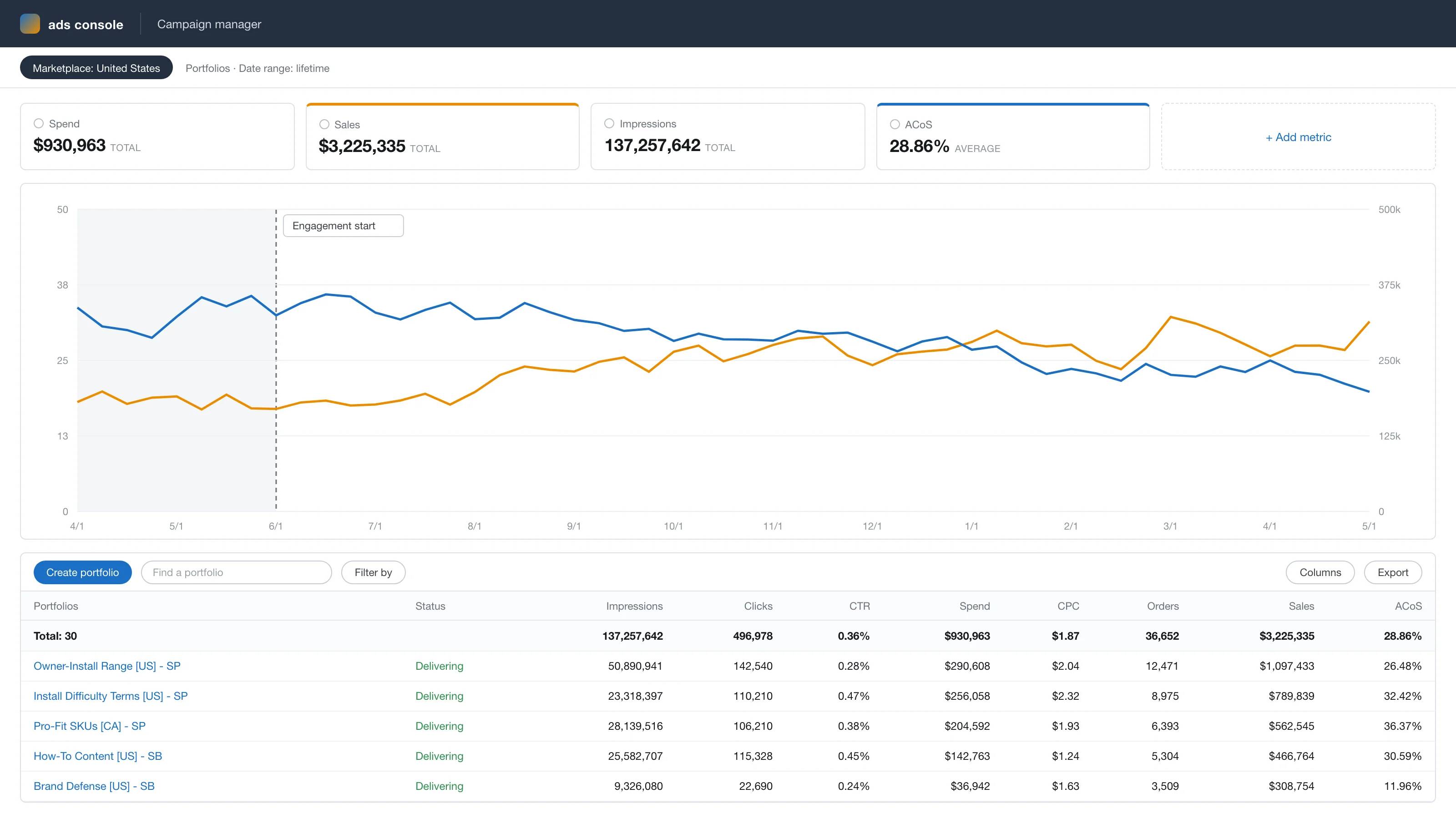
Anonymized account view, rebuilt from the figures reported above: ad sales growing from $185k to $310k a month while ACoS falls from 35% to 22% across the 11-month engagement.
The results
Conversion rose from 4.6% to 7.2% and revenue grew 67% from a catalog that is exactly the one the brand started with.
The unexpected gain was on the hard products: labeling them “workshop recommended” reduced their conversion by about a tenth but cut their returns by more than half, so their contribution rose. Pre-purchase questions dropped by two thirds, which is the clearest evidence that the page now answers the thing shoppers were actually worried about.
“Half our shoppers were quietly deciding they would need a mechanic. Meanwhile the meetings were about price positioning.”
Services we delivered
Related case studies
Ready to scale your Amazon brand?
Talk to a senior strategist and leave with a growth plan for your store — no obligation.