
Launching a second generation without abandoning the first one's rank
New generation reached page one in 5 weeks
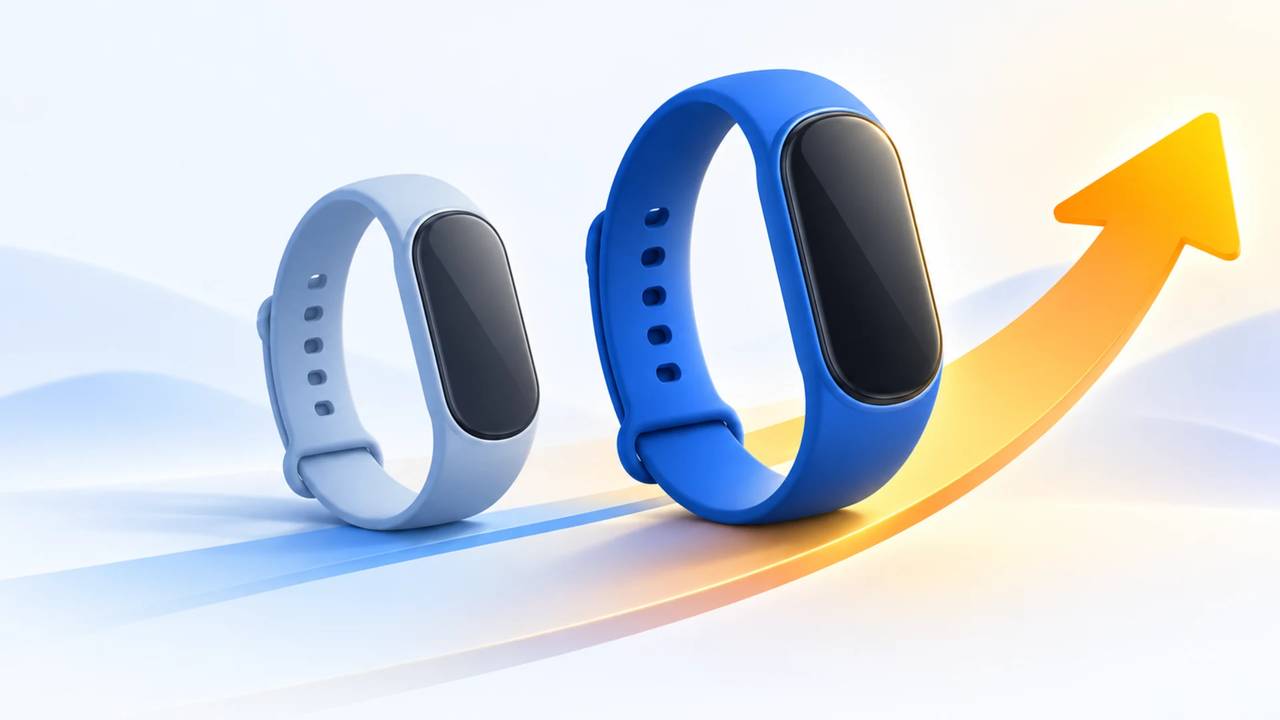
A wearables brand's new model launched onto a clean ASIN with zero reviews while the outgoing model kept every ranking signal the brand had spent three years building.
At a glance
- Category
- Wearable Technology
- Marketplaces
- US, UK, DE
- Revenue at start
- $338k / month
- Situation
- Gen 2 launching against the brand's own Gen 1
- Prior launch
- Gen 1 took 21 weeks to reach page one
- Engagement
- Full account management + PPC
- Timeframe
- 13 months
Results
The challenge
The brand had done this once before and it went badly. A new model went live on a fresh ASIN, and everything that makes a listing sell — three years of reviews, ranking history, sales velocity, the Amazon's Choice-style familiarity of appearing where shoppers expect — stayed with the model being retired. The new one started at zero while the old one absorbed the demand, then ran out of stock, at which point both listings were weak at the same time.
Generation cycles are the defining rhythm of consumer electronics, and every one of them puts a brand in this position: the product improves, and the page it was earned on points at last year's model.
Our approach
We treated the handover as a planned transition, not a launch.
- Gen 2 launched on its own ASIN — a new product cannot be slipped into the old family to inherit its reviews, so the review surface is rebuilt deliberately: Vine from day one, then the volume the overlap traffic produces.
- A twelve-week overlap plan with the outgoing model's inventory run down against a curve rather than sold out abruptly.
- Copy that names the difference, so the shopper choosing between two live generations makes an informed decision instead of assuming the cheaper one is the same product.
- Advertising migrated on a schedule — Gen 1's converting terms progressively reassigned to Gen 2 rather than switched over in a week.
Timeline
Prepare
- Gen 1 ranking and keyword inventory documented
- Family structure and overlap plan agreed with supply
- Gen 2 content built before stock landed
Overlap
- Gen 2 live on its own ASIN, both generations purchasable
- Advertising split 30/70 then inverted over eight weeks
- Gen 2 on page one five weeks after going live
Retire
- Gen 1 inventory run down to zero on plan, no hard stockout
- Gen 1 listing closed as the last stock sold, its A+ comparison pointing at Gen 2
- Second handover for the sibling product run from the same plan
Inside the ad account
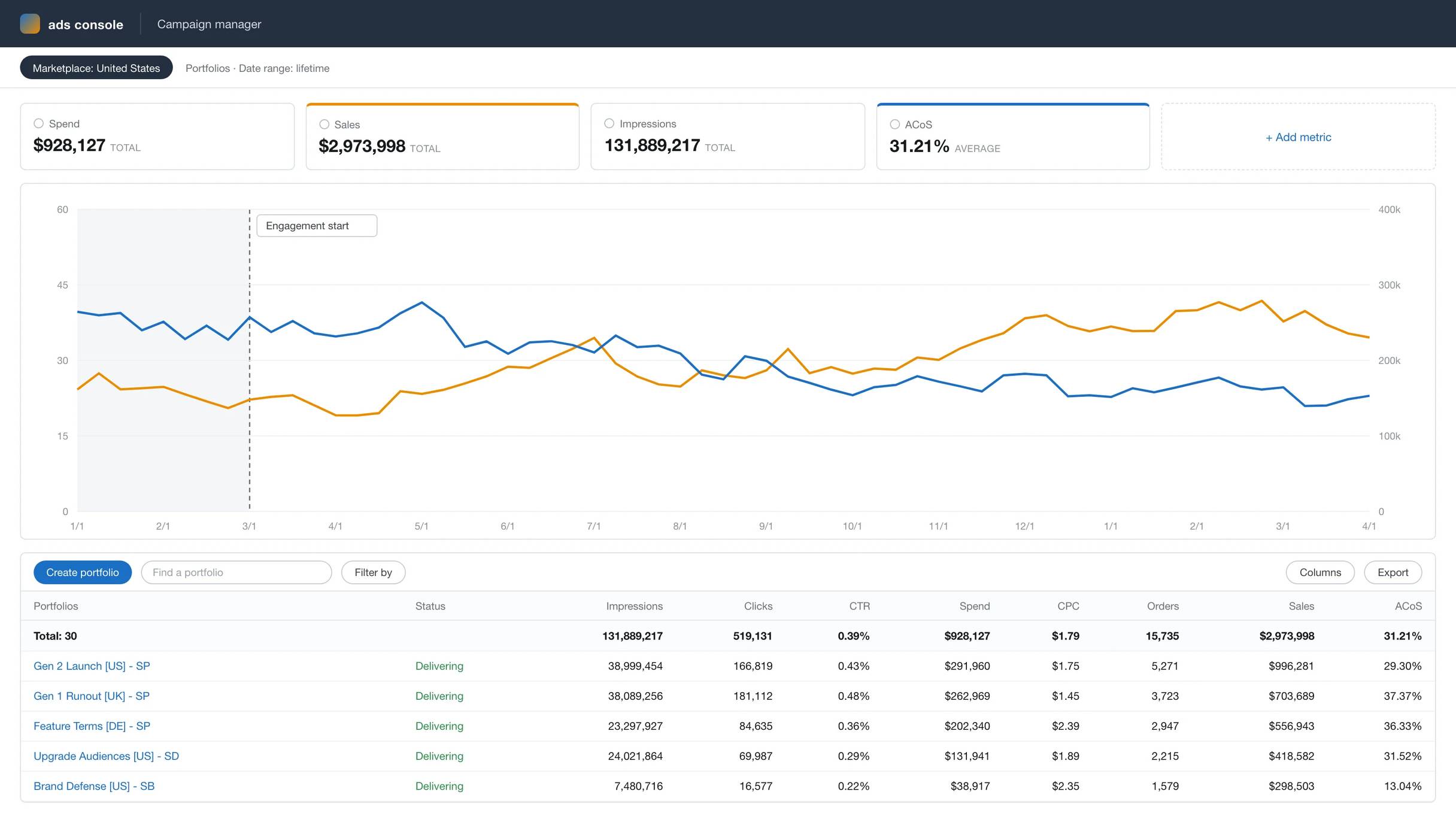
Anonymized account view, rebuilt from the figures reported above: ad sales growing from $152k to $271k a month while ACoS falls from 36% to 22% across the 13-month engagement.
The results
Gen 2 reached page one in five weeks against twenty-one for the previous generation, and revenue over the full period grew 78%.
The difference is not marketing effort — it is that the new model spent its first months beside a live, ranking predecessor that pointed at it and handed over its terms on a schedule, instead of starting cold next to a competitor's four-year-old listing. Revenue lost during the changeover stayed under 4%, where the previous transition cost a full quarter.
“We used to think of a new generation as a launch. It's a handover, and the difference is about four months of ranking.”
Services we delivered
Related case studies

Ready to scale your Amazon brand?
Talk to a senior strategist and leave with a growth plan for your store — no obligation.